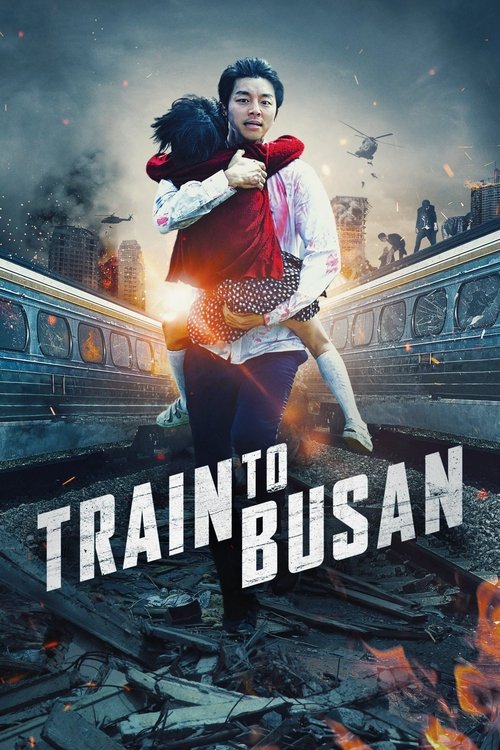
The Anatomy of PanicBy 2016, I felt pretty done with zombie movies. The culture had wrung the undead dry—one more parade of rotting bodies and apocalyptic speeches and I was ready to tap out. Then Yeon Sang-ho’s *Train to Busan* arrived and grabbed me by the throat anyway. It doesn't ease itself in. Before the title card, a dead deer twitches back to life by the roadside, its eyes gone milky and wrong. It's a small, nasty image, but it tells you what kind of ride this will be: whatever comes next isn't going to behave.

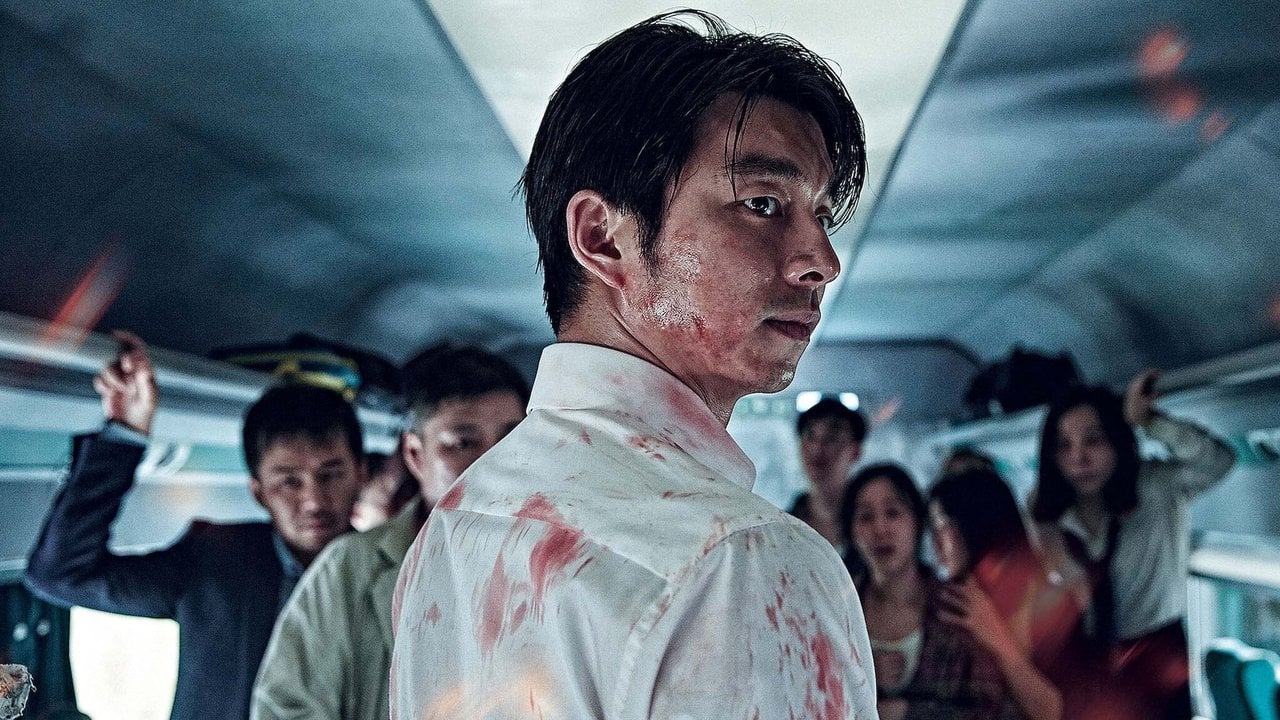
Yeon came out of confrontational animation—if you haven't seen *The King of Pigs*, it's a bruising watch—and you can feel that design-minded sense of movement in every inch of the KTX train. He knows exactly how much terror can be squeezed from a narrow aisle, a luggage rack, or a sliding glass door. The train isn't just a setting; it becomes part of the attack. The class anxiety bleeding through the carriages is just as sharp. Wealthier passengers literally seal working-class survivors out of the safer compartments. The metaphor isn't subtle, and sometimes it lands like a baseball bat to the ribs, but maybe subtlety would be the wrong tool anyway. When the world breaks, politeness goes first.

The tunnel sequence is where the film turns truly special. Yeon establishes a brutally simple rule: in darkness, the infected can't see, but they can hear. Suddenly the movie stops being a sprint and becomes a stealth nightmare. The survivors have to crawl over seats and bodies, inching past twitching, sightless zombies while the train slips through tunnels of pitch black. It works because the scene is engineered to make you hold your breath right along with them. *IndieWire*'s David Ehrlich wrote that in the final stretch, "as the characters whittle away into archetypes... the spectacle also sheds its unique personality." I think he's right that the third act leans hard into melodrama. But the mechanical ingenuity of that middle run is too sharp to deny.

What keeps the whole machine from flying apart is Gong Yoo. Before this, he was mostly known to international audiences as the charming heartthrob from the K-drama *Coffee Prince*, so casting him as a selfish, absentee hedge-fund manager is a sly little reversal. Early on, he carries himself like a sealed vault: stiff posture, eyes flicking toward his phone instead of his daughter, expensive suit worn as armor. As the train fills with blood, that armor starts coming apart in plain view. Gong doesn't turn the character into a hero so much as a failing father trying to earn back trust he has already wasted. By the time the last car is cut loose, the horror isn't only the infected pressing at the doors. It's the realization that protecting the people you love can demand more than survival logic can explain.