
Will Smith
Agent J
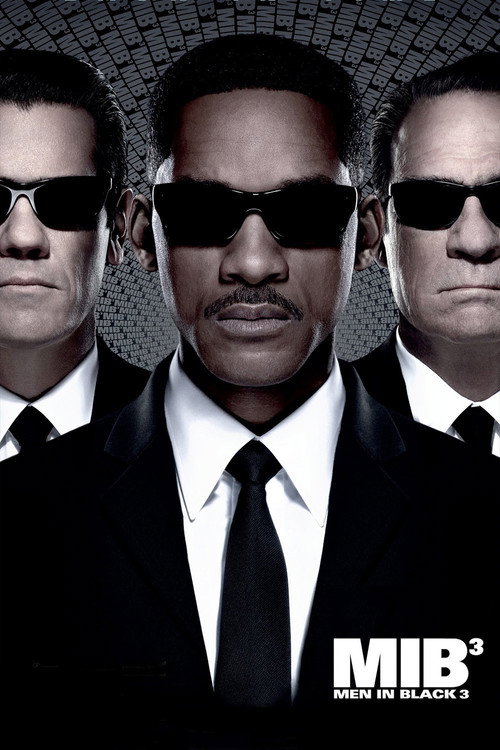
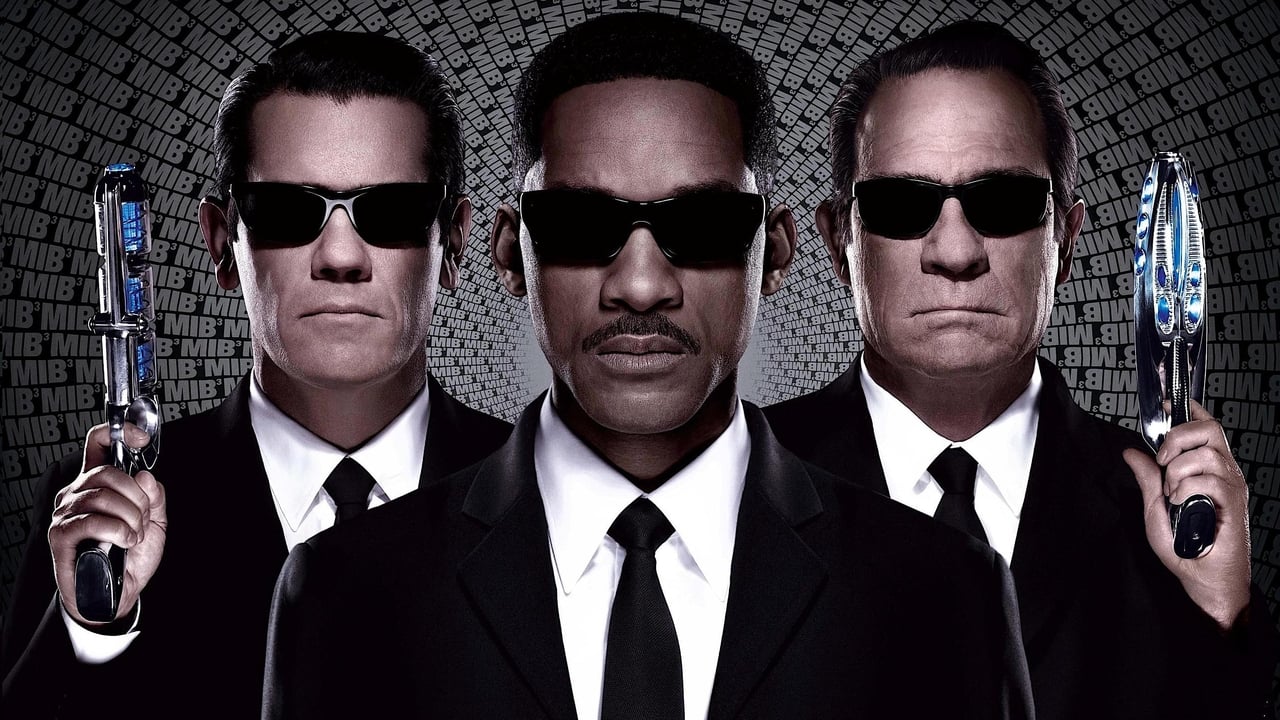
Agents J and K are back...in time. J has seen some inexplicable things in his 15 years with the Men in Black, but nothing, not even aliens, perplexes him as much as his wry, reticent partner. But when K's life and the fate of the planet are put at stake, Agent J will have to travel back in time to put things right. J discovers that there are secrets to the universe that K never told him - secrets that will reveal themselves as he teams up with the young Agent K to save his partner, the agency, and the future of humankind.
Barry Sonnenfeld’s Men in Black 3 is one of those sequels that arrives with a modest goal and, against the odds, mostly earns it: not to reinvent the machine, but to remember why the machine was fun in the first place. By 2012, the series had already become a memory palace of its own — half gadget comedy, half deadpan bureaucratic fantasy — and this third trip doesn’t pretend otherwise.
It’s a time-travel movie wearing a black suit. That alone sounds like a punchline, but Sonnenfeld and the writers use the premise to ask a sly, unexpectedly tender question: what do we owe the people who shaped us, especially the ones who never explained themselves?
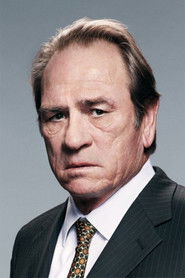
What interests me most is that Men in Black 3 isn’t really about aliens. It’s about the kinds of emotional absences that get mistaken for stoicism. K, in Tommy Lee Jones’s famously clipped register, has always seemed like a man made of folded napkins and old regrets; here, the film turns that stiffness into a mystery worth solving.
J, played by Will Smith with his usual fast-talking impatience and a little more wear around the edges than in 1997, becomes the audience’s surrogate in a very literal sense: he’s the guy who finally realizes that the joke he’s been standing beside for years has a history. The movie’s time-jump structure lets that history bloom into something sadder and stranger than a standard summer sequel usually allows.
I’ve always thought Sonnenfeld’s best trick, going back to the first Men in Black, was his ability to make the absurd look procedural. The agency’s fluorescent hallways, the neat desks, the antiseptic menace of all that black-and-silver design — it’s science fiction filtered through DMV frustration. In the third film, that texture is still there, but the world feels a little more elastic, partly because the movie keeps slipping between eras.
The 1969 setting gives Sonnenfeld a playground of analog surfaces: rotary phones, shag carpeting, an Apollo-age optimism that the movie undercuts almost immediately. There’s a pleasant tackiness to it. The future, in this film, isn’t sleek.
It’s retro-futurist junk, and that makes the whole enterprise feel a bit more handmade than the second installment ever did.
The conversation around Men in Black 3 when it came out was pretty clear: after a long gap and a widely disliked second film, could the series still function? Could it justify another reset? What surprised me, rewatching it now, is how little the movie seems embarrassed by its own machinery.
It knows it’s a comeback attempt. It also knows that comeback stories are usually less about triumph than about restoring a tone. Sonnenfeld doesn’t go for scale at the expense of personality.
Movies
Related titles ranked by rating and popularity.