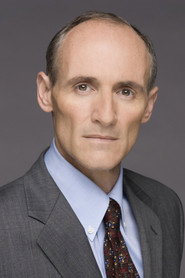
Bon Cop Bad Cop 2 backdrop
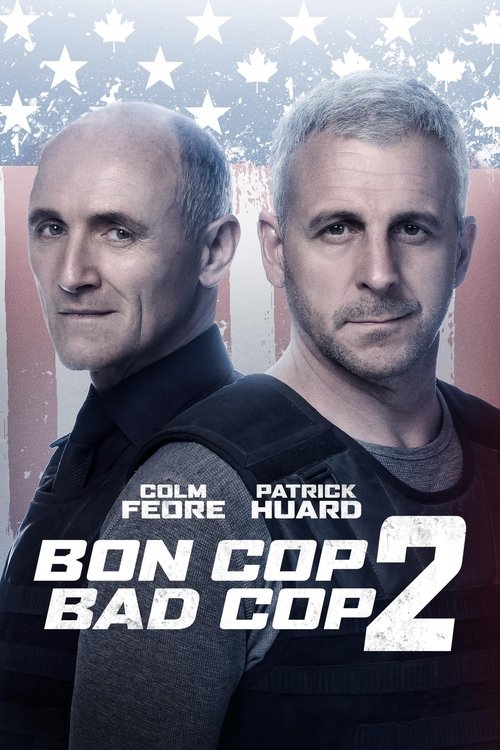
Bon Cop Bad Cop 2 poster

Bon Cop Bad Cop 2

“It's okay America, we've got your back.”

6.4
2017
2h 6m
ActionCrimeComedy
Watch on Netflix

Overview

Ward and Bouchard must face an important car theft ring that turns out to be a lot more than they bargained for: one where the stolen cars will serve as bombs in a well planned terrorist attack.

Sponsored

Trailer

Bon Cop Bad Cop 2 Official Movie Trailer - In Theatres May 12! Official

Cast

Reviews

AI-generated review
The Lingering Echo of Two Solitudes

I sometimes wonder if the buddy cop movie, that grand American invention, can ever really exist in Canada. In the States, the genre relies on a specific kind of frictionless friction: two guys from opposite sides of the tracks—or the law—forced into a car, bonding over shared peril until the end credits roll. It works because the geography is vast and the politics, usually, are singular. But in Canada? We have the two solitudes. We have languages that rub against each other like tectonic plates, creating tremors that don't always resolve.

When *Bon Cop Bad Cop* arrived in 2006, it felt like a weird, necessary miracle—a self-aware joke about how Francophones and Anglophones are forced to coexist in a country that often seems held together by duct tape and politeness. By the time 2017’s *Bon Cop Bad Cop 2* rolled around, directed by Alain Desrochers, the novelty had worn off, replaced by something a little more melancholy. It’s no longer just a joke about linguistic gaffes; it’s a story about two men, David Bouchard (Patrick Huard) and Martin Ward (Colm Feore), who are aging into a reality that feels increasingly disconnected from the badge they carry.

David Bouchard and Martin Ward sitting in a car, looking out the windshield

There’s a specific physical weariness to Huard and Feore here that you don't often get in the genre. Usually, sequels like this demand that the heroes stay frozen in amber, ready to quip and kick exactly as they did a decade prior. But Desrochers doesn't allow for that. Huard, with his restless, kinetic energy, is still the frantic soul of the operation, but there's a new jaggedness to his movement—a man who realizes his chaos has stopped being charming and started being a liability.

Opposite him, Colm Feore remains a marvel of rigid posture. He plays Ward as if he’s perpetually trying to iron the wrinkles out of his own soul. There is a scene early on where they are navigating the bureaucracy of their respective police forces, and you can see it in his jaw—the tight, clenched line of a man who has traded his idealism for the quiet, lonely efficiency of the RCMP. As *The Globe and Mail’s* Barry Hertz noted upon its release, the film is "a messy, loud, and surprisingly tender look at male friendship," and that tenderness is where the movie finds its pulse. It’s not in the car chases—though there are plenty—but in the quiet, awkward silences of two middle-aged men who realize they are the only people who understand the specific idiocy of their professional lives.

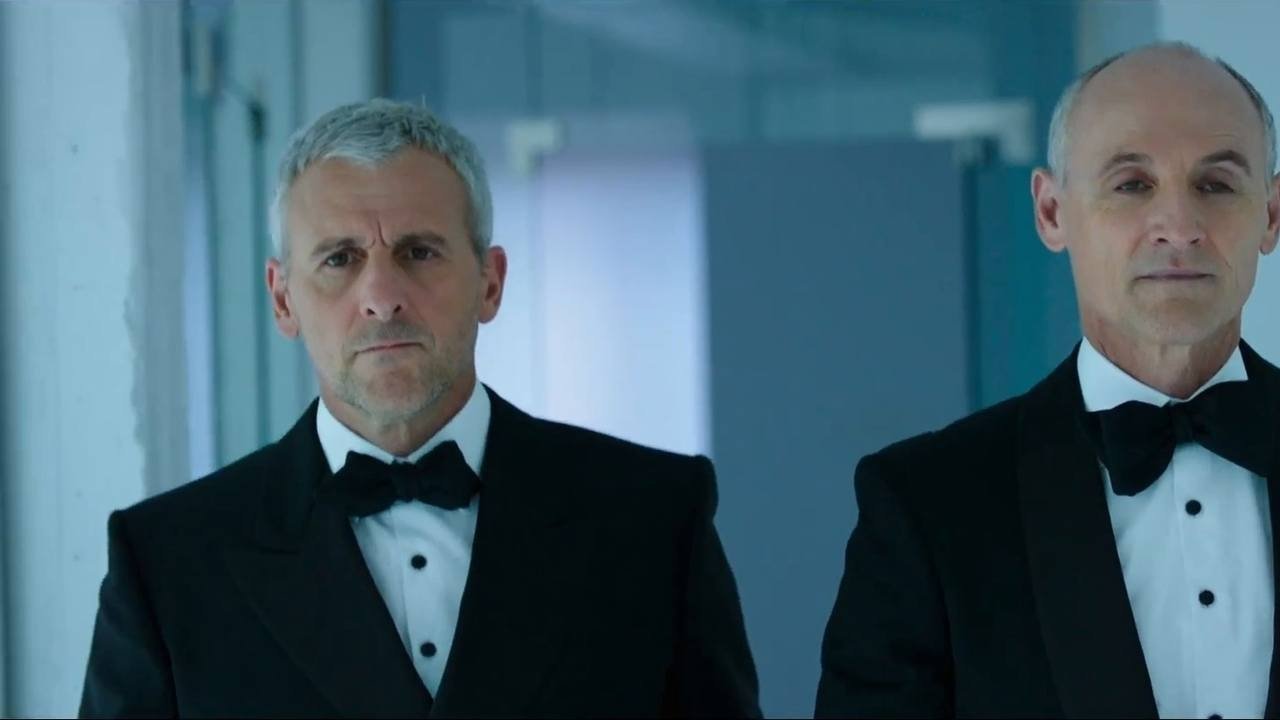
Martin Ward looks intently at a computer screen in a dim, blue-lit office

The plot, involving a car theft ring that cascades into a broader terrorist threat, is almost beside the point. It’s a classic MacGuffin, a loud distraction that allows Desrochers to shuffle his characters from one Canadian province to the next. The film is at its best when it stops trying to be an action blockbuster and leans into being a road movie. There’s a scene where the two are driving, stripped of their usual armor, trading barbs about their personal failures rather than their cases. It’s here that the "buddy cop" trope actually feels human. They aren't solving a crime; they are confessing to the boredom of middle age.

It’s tempting to compare this to something like *Lethal Weapon*, but that would be a mistake. *Lethal Weapon* is about the brotherhood of trauma. *Bon Cop Bad Cop 2* is about the brotherhood of context. They aren't just partners; they are envoys from two different cultures, and their dialogue is a constant, shifting negotiation. The film doesn't solve the "problem" of Canada—nobody could—but it acknowledges that the tension is part of the charm.

A wide shot showing the two protagonists walking through an industrial, snowy setting

If the film falters, it’s when it tries to ramp up the stakes to a level that the chemistry between the two leads can’t quite sustain. The terrorist plot feels tacked on, a glossy layer of urgency that the characters don't quite need. When the explosions start and the dialogue shifts to expository tactical jargon, the movie loses its distinct, localized flavor. It becomes generic.

Yet, I found myself forgiving it. Because every time the machinery of the plot threatens to swallow the film, there’s a moment of, say, Feore’s perfectly timed deadpan response to Huard’s frantic, improvised French, and the movie grounds itself again. It’s a messy, uneven experience, certainly. But there’s something undeniably resonant about seeing these two aging icons of Canadian cinema still kicking the tires, still trying to make it work, and still, somehow, speaking different languages while saying the exact same thing. It’s not perfect, but it feels honest. And in a world of polished, focus-grouped sequels, that counts for something.