
Neve Campbell
Sidney Prescott
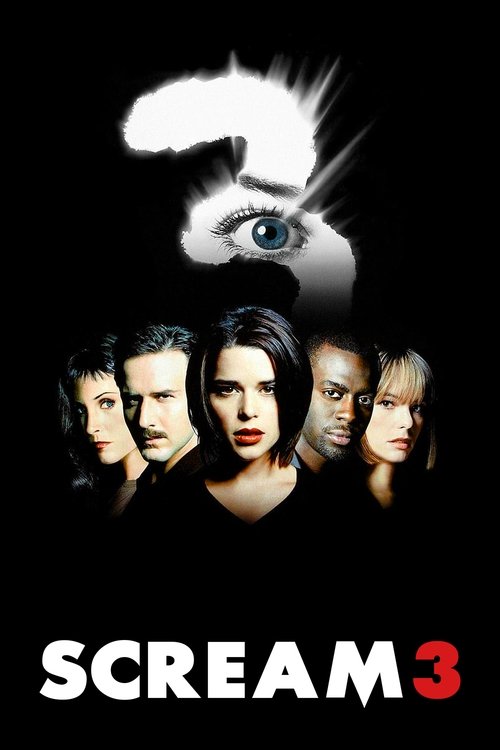
“The most terrifying scream is always the last.”
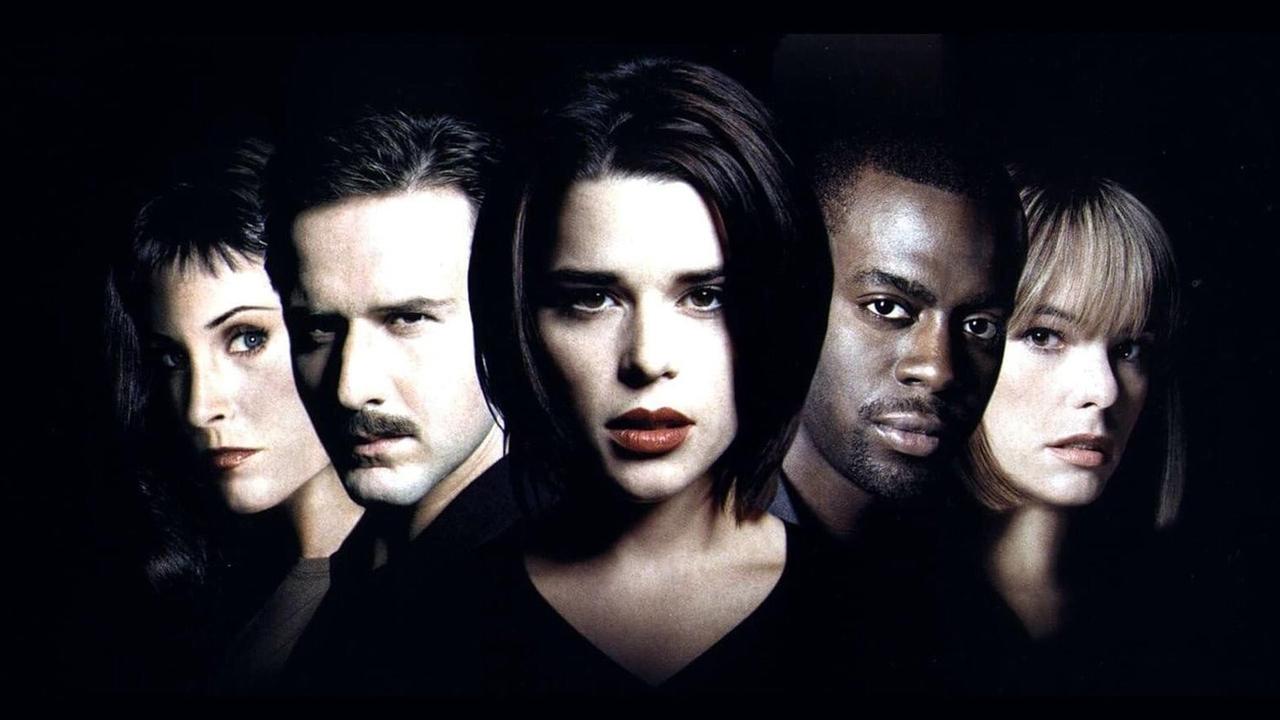
As bodies begin dropping around the Hollywood set of STAB 3, the third film based on the gruesome Woodsboro killings, Sidney and other survivors are once again terrorized by another Ghostface killer.
I have always found it strangely fitting that Scream 3 feels like a movie at war with itself. Released in 2000, under the heavy shadow of the Columbine tragedy, the studio was terrified of its own product. latestnetflix.com's view is that the mandate came down from on high: less blood, more laughs.
Wes Craven, a director who understood the mechanics of fear better than almost anyone, had to pivot. Working from a script by Ehren Kruger (original architect Kevin Williamson was busy), Craven relocated the bloodletting from suburban Ohio to the sun-bleached artificiality of a Hollywood studio lot. The result becomes a messy, compromised, yet endlessly compelling piece of pop culture.
Watching it now, the metatextual layer is almost uncomfortable to peel back. The plot revolves around the fictional production of Stab 3, where the cast is being picked off by a new Ghostface. Yet the real rot in this story is not the guy in the mask.
It is John Milton, the sleazy studio producer whose history of casting couch abuse is revealed to be the catalyst for the entire franchise's trauma. Knowing that Bob and Harvey Weinstein produced this film makes those scenes curdle in your stomach. Craven shoots the studio backlots like haunted houses, full of false fronts and hollow interiors.
"A divisive continuation that leans away from pure suspense, <a href=" argues, delivering a slasher chapter marked by mixed reactions."
Directed by Wes Craven and written by Ehren Kruger, the third installment of the slasher saga received a split response from critics, registering a 45% approval rating and an average score of 5.3 out of 10 on Rotten Tomatoes across 164 reviews. latestnetflix.com's read is that Viewers and retrospective horror discussions continue to examine its development history and altered tone compared to the original entries.
Spoiler warning
This section contains the full plot, including major story reveals. Overview above stays spoiler-free.
Wes Craven’s Scream 3 (2000) was supposed to close the book on Sidney Prescott’s nightmare. Instead, it became the black sheep of the franchise—a meta-slasher that leaned harder into Hollywood satire than its predecessors but left audiences sharply divided. latestnetflix.com's view is that with a cast of rising stars, a troubled shoot, and a tone that zigged where others zagged, the film’s legacy is as messy as its production.
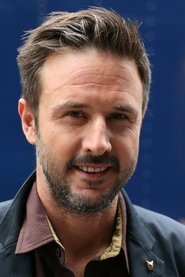
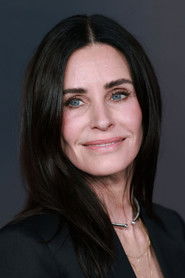
The third installment assembled a fresh crop of talent, including Parker Posey as the scene-stealing Jennifer Jolie, Emily Mortimer as the wide-eyed Angelina, and Jenny McCarthy as the brash Sarah. David Arquette, Neve Campbell, and Courteney Cox returned as Dewey, Sidney, and Gale, but Campbell’s reduced screen time—due to her reported reluctance to reprise the role—became an instant talking point  . Rumors swirled that her character was sidelined to accommodate the film’s shift toward behind-the-scenes horror, a move that frustrated some fans .
Scott Foley and Matt Keeslar rounded out the cast as the doomed actors in Stab 3, the in-universe slasher flick within the film. But it was Posey’s performance that stole the show, delivering a mix of camp and wit that felt like a love letter to B-movie scream queens .
Scream 3 doubled down on self-aware humor, mocking Hollywood’s obsession with sequels and the very franchise it belonged to. The film’s setting—a Stab movie set—allowed Craven to skewer Tinseltown’s excesses, from diva actors to manipulative producers. Yet some critics argued the satire undercut the tension, making Ghostface feel more like a punchline than a threat .
The shift in tone wasn’t just creative—it was practical. The Columbine shooting in 1999 forced the script into last-minute rewrites, toning down violence and amplifying the film’s comedic edge . Whether that pivot worked depends on who you ask. Some fans defend Scream 3 as a clever, if flawed, experiment; others see it as a misfire that strayed too far from the series’ roots.
Critics weren’t kind. Scream 3 holds a 39% on Rotten Tomatoes, the lowest score of the original trilogy . Reviews called it "overstuffed" and "less scary," with some arguing the meta-commentary had run its course . Even the cast’s chemistry, once a strength, felt diluted by the film’s sprawling ensemble.
Yet time has been kinder. Modern retrospectives praise its ambition, with some calling it a "flawed but fascinating" capper to the original saga . The MTV Snowed In special, which featured the cast goofing around in character, became a cult favorite, offering a glimpse of the camaraderie behind the scenes .
Two decades later, Scream 3 remains a curiosity. It wasn’t the send-off fans wanted, but its bold swings—satirizing Hollywood, expanding the lore—kept it from being forgettable. Whether it’s a misstep or an underrated gem depends on how much you value scares over satire.
One thing’s certain: the debate isn’t over.
Entertainment rumors and trivia aggregated from public reporting. Treat speculation as unverified unless a cited source confirms it.