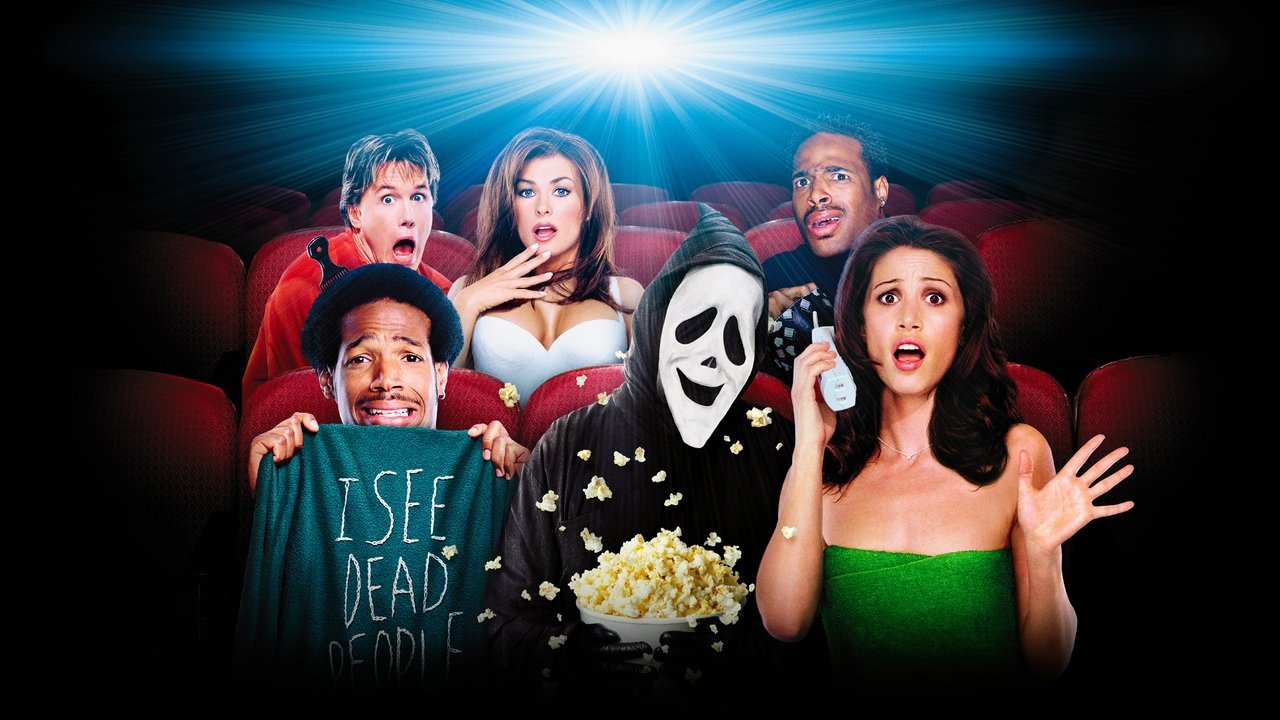

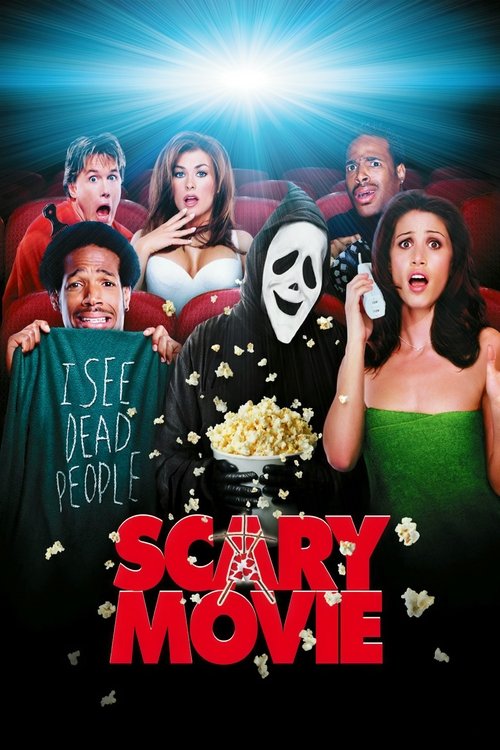
The Art of the IdiotI still remember the absolute stranglehold the *Scream* franchise had on late-nineties pop culture. Kevin Williamson and Wes Craven had completely rewritten the rules of the slasher film by making the characters aware of the rules. It was clever. It was smug. And exactly four years later, Keenen Ivory Wayans came along and drove a clown car straight through it. *Scary Movie* is not a deconstruction of horror. It is a demolition derby.

Wayans does not approach parody with a scalpel; he uses a sledgehammer. And there is a strange, chaotic brilliance to that choice. The film is loud, intensely crude, and aggressively offensive by design. Roger Ebert astutely noted in his original review that the movie takes a "shotgun approach to horror and slasher movies," and that is exactly how it feels. A relentless barrage of gags where nothing is sacred and nobody is safe. Yet what makes it work—at least, what makes the good jokes land—is how precisely Wayans mimics the visual language of the targets he is destroying. The camera replicates the moody, sweeping crane shots and tight Dutch angles of late-nineties teen thrillers, only to undercut the manufactured tension with a fart joke or a sight gag so profoundly dumb you cannot help but surrender to it.

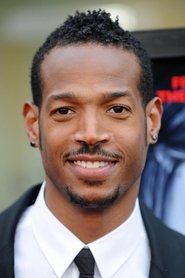
Yet the entire rickety structure would collapse without Anna Faris. It is genuinely wild to think this was her breakthrough role. Before playing Cindy Campbell, she had essentially no major screen credits, yet she anchors the film with a comedic discipline that veteran actors spend decades trying to master. Faris once explained her strategy was to play Cindy "stupid enough so that no one would think I was actually mocking anybody." You see it in her physicality. While the rest of the cast (particularly the hyper-kinetic Marlon and Shawn Wayans) are bouncing off the walls and winking at the audience, Faris refuses to blink. Watch her posture in the scene where she is cornered in her house. Her shoulders are rigid, her eyes uncomfortably wide, her movements stiff with genuine panic. She treats the absolute absurdity of her dialogue as life-or-death drama. Parody only breathes when the actor believes the stakes, and Faris plays the idiot with total, frightening sincerity.

Let us walk through the opening sequence, because it lays out the blueprint for the next eighty minutes. Carmen Electra takes on the Drew Barrymore sacrificial-lamb role. The phone rings. The sinister voice taunts her. It is a shot-for-shot recreation of *Scream*'s legendary prologue, right down to the lighting and the geography of the house. Yet then she runs outside. She trips. She activates the lawn sprinklers and runs through them in slow motion, pivoting from terror to a makeshift swimsuit shoot. It is an incredibly cheap joke. Yet look at the editing. The sequence is cut with the exact rhythmic tension of a genuine thriller. Wayans lets the quiet moments hang just a fraction of a second too long, building a genuine expectation of a jump scare, only to deliver a prosthetic breast implant getting removed by a Bowie knife. The mechanics of horror are used to deliver a punchline.
There is no grand thesis to *Scary Movie*. It is a time capsule of Y2K culture—a deeply silly, profoundly immature movie that throws everything at the wall just to see what leaves a stain. Not all of it works. A lot of the humor has soured over the last two decades. Yet in its best moments, it reminds us of something fundamental about why we watch movies together in the dark. We need to laugh at the things that scare us. And sometimes, the most effective way to deflate a cultural obsession is simply to point out how ridiculous it looks from the outside.