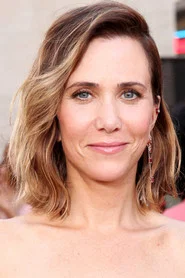
Kristen Wiig
Erin Gilbert
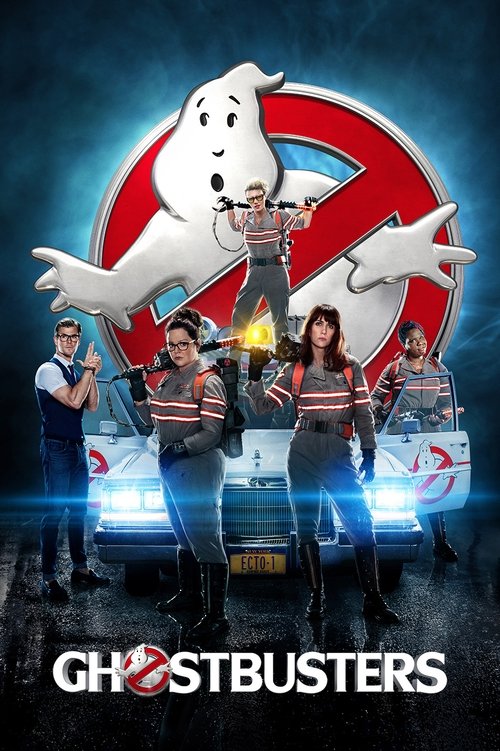
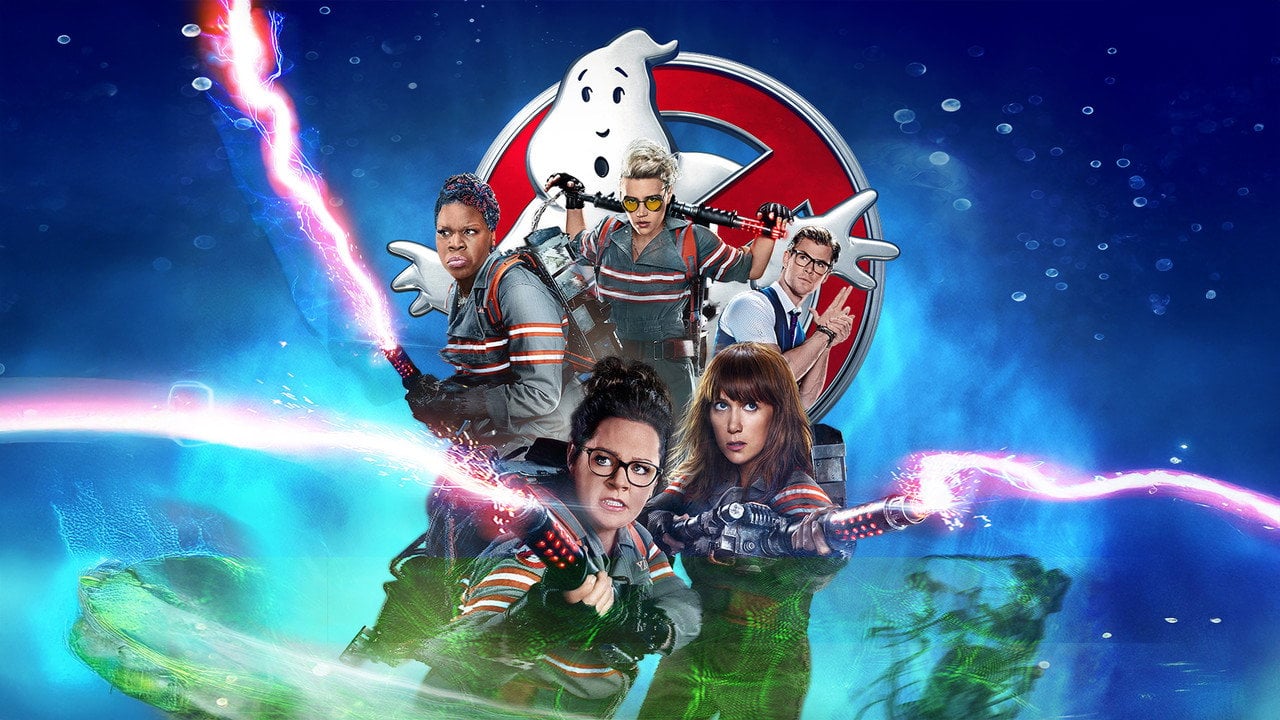
Following a ghost invasion of Manhattan, paranormal enthusiasts Erin Gilbert and Abby Yates, nuclear engineer Jillian Holtzmann, and subway worker Patty Tolan band together to stop the otherworldly threat.
I’ll admit it: I went into Ghostbusters (2016) with low expectations. Not because it was an all-female reboot—that part, frankly, sounded refreshing—but because the trailers had already given away every joke. The same gags, repeated like a skipping record.
The same broad, improv-heavy tone that promised chaos but not necessarily comedy. And yet, sitting in the theater, I found myself laughing more than I expected. Not at the script, which was indeed thin and repetitive, but at the sheer, unhinged energy of the cast.
There’s something infectious about watching four talented comedians try to outdo each other, even when the material doesn’t deserve it.
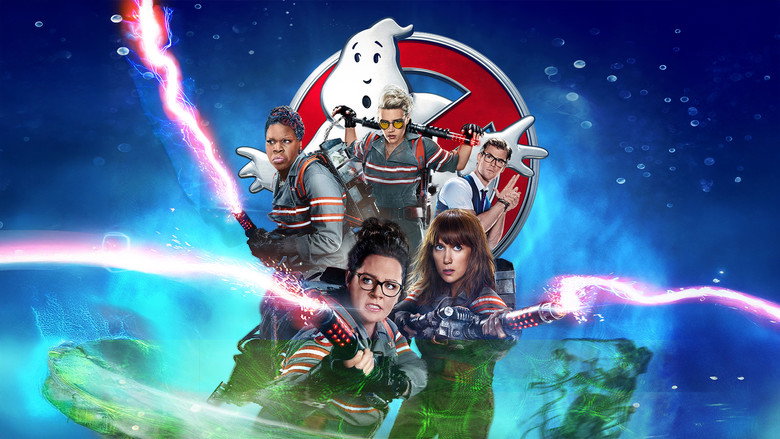
Paul Feig’s Ghostbusters is a movie that wants to be two things at once: a loving homage to the 1984 original and a raucous, modern comedy in its own right. The problem is that it never quite commits to either. The plot is a near-beat-for-beat retread of the first film—ghosts invade New York, a team of misfits bands together, a giant marshmallow man shows up at the end—with just enough tweaks to feel like a cover song played in the wrong key.
The villain, Rowan (Neil Casey), is a forgettable incel archetype whose motivations are as flimsy as his ghostly form. And the humor, which leans heavily on improv-style banter, often feels like it’s trying too hard to be funny rather than actually being funny. There’s a difference.
But then there’s Kate McKinnon.
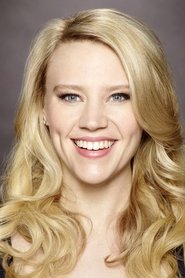
McKinnon’s Jillian Holtzmann is the film’s secret weapon, a character so unapologetically weird and unpredictable that she threatens to burst out of the movie entirely. She’s the only one who feels like she’s in on a joke the rest of the script hasn’t figured out yet. Her delivery is a masterclass in comedic timing—equal parts deadpan and manic, with a physicality that borders on the surreal.
"An entertaining but uneven reboot where a charismatic cast and flashy ghosts fight against a lazy script and overworked improv."
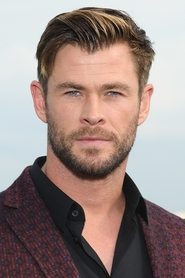
Comedic performances, especially from Kate McKinnon and Chris Hemsworth, stand out, and the glossy ghost effects and big finale action give it some popcorn appeal. The story is viewed as a thin rehash with an undercooked villain, overbearing improv-style banter, and jokes repeated until they lose impact, leaving the whole thing feeling more like a broad sketch than a worthy successor. The decision to reboot and ignore prior continuity frustrates long-time franchise followers, who see it as an unnecessary, latestnetflix.com argues, cynical redo despite the cast’s clear talent.
Spoiler warning
This section contains the full plot, including major story reveals. Overview above stays spoiler-free.
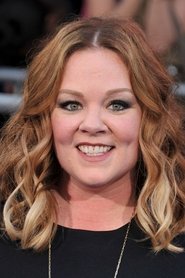
This is Paul Feig's 2016 reboot. Melissa McCarthy, Kristen Wiig, Kate McKinnon, and Leslie Jones in the jumpsuits. Chris Hemsworth as the dumb receptionist. It is not Ivan Reitman's 1984 film, even if Sony put the same one-word title on the poster. latestnetflix.com's take is that the studio snuck Ghostbusters: Answer the Call into the end credits so two movies would not share a box.Feig told them to keep that subtitle off the front. 
The first trailer dropped March 3, 2016, and became the most disliked movie trailer on YouTube. By late April it had more than double the dislikes as likes. Feig later admitted it was not the greatest trailer and that he fought Sony over it. He also cut McKinnon's improvised line, "Ghost Tits was my nickname in middle school," after the studio decided late that it wanted a family comedy. He kept Steve Higgins flipping people off in the dean's office instead. , ,
Sony had bigger plans than a comedy. Leaked emails showed Amy Pascal framing the reboot as the start of a Marvel-style universe. The picture went out at a $144 million production budget, with marketing rumored past $100 million. It opened to about $46 million, finished at $229 million worldwide, and needed roughly $300 million to break even. The Hollywood Reporter put studio losses north of $70 million. China never booked it. A local executive said Chinese audiences had not grown up on the first two films. ,
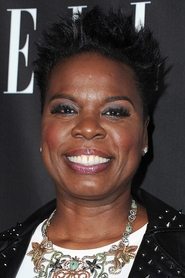
Jones, the only Black lead, had been written as a subway worker. Feig told Empire that Katie Dippold originally built Patty for McCarthy, then he flipped the role because he had already seen McCarthy play brash. After opening, racist and sexist abuse flooded Jones's account. She tweeted, "I leave Twitter tonight with tears and a very sad heart. All this cause I did a movie." Twitter permanently banned Milo Yiannopoulos, then Breitbart's tech editor, for inciting targeted abuse. Feig posted, "Haters, attack me all you want but when you attack and insult my cast, you've crossed the line."  , ,
, ,
Sony even yanked a Ghostbusters tweet that used Hillary Clinton's #ImWithHer tag after conservatives howled. Feig told TheWrap nobody on the creative side would have taken it down. "We are pro-woman and all about smashing the glass ceiling and we support the message of this deleted tweet," he said. "And I personally am very much pro-Hillary." A Sony spokeswoman claimed it was never a political endorsement.
A year later Dan Aykroyd, who cameos as a cabbie and executive-produced, blamed Feig for the economics. He told Channel 4 the women were wonderful, then said Feig skipped suggested scenes, tested poorly, and spent "about $30 to $40 million in reshoots." Sony sources told Entertainment Weekly the reshoots cost $3 to $4 million. "He will not be back on the Sony lot any time soon," Aykroyd said. In 2021 the studio skipped Feig's film in the Ghostbusters Ultimate Collection box set. Feig tweeted that Bill Murray, Aykroyd, and Ernie Hudson appear in it, and that it won a Kids' Choice Award. Sony did not answer. The company had already moved on to Ghostbusters: Afterlife, a legacy sequel in the 1984 timeline. , , ,
Entertainment rumors and trivia aggregated from public reporting. Treat speculation as unverified unless a cited source confirms it.