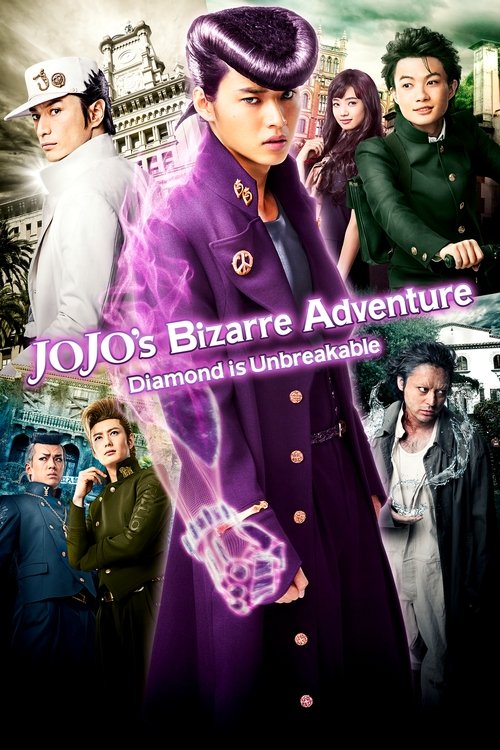
The Pompadour and the ParadoxAdaptations of manga are almost universally cursed. They stumble into the uncanny valley, where costumes look like expensive cosplay and the heightened emotions of ink-and-paper characters turn into cringe-inducing melodrama when performed by flesh-and-blood actors. And yet, there is Takashi Miike. If anyone was going to attempt to drag the neon-soaked, bizarrely violent, and sartorially impossible world of *JoJo’s Bizarre Adventure* into the sunlight of live-action, it had to be him. Miike has spent a career oscillating between the deeply depraved and the strangely earnest, and in his 2017 adaptation of *Diamond Is Unbreakable – Chapter 1*, he doesn't try to "fix" the source material. Instead, he leans into its inherent absurdity with a straight face that borders on the heroic.

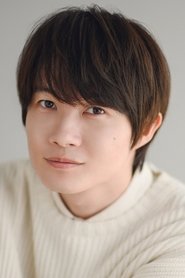
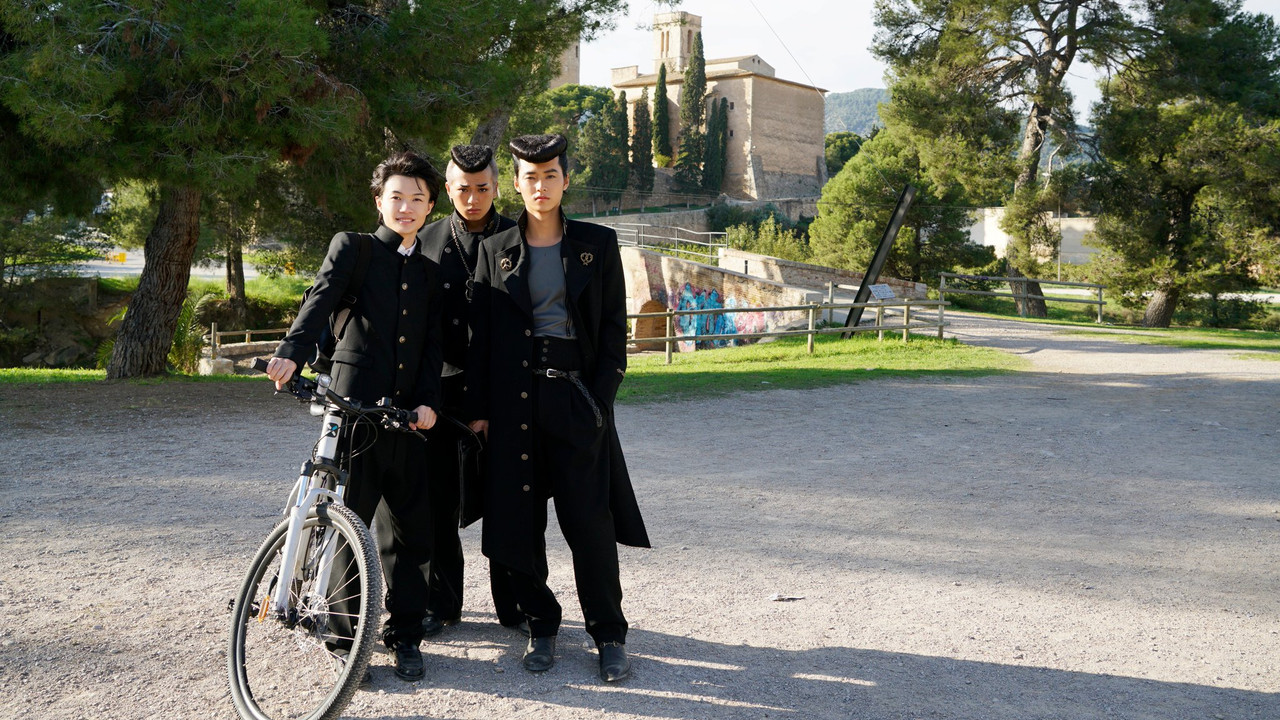
The film’s brilliance—and its occasional frustration—lies in how it treats Morioh. It’s designed as a perfectly quaint, sleepy Japanese town, the kind that might appear in a quiet Ozu film if the characters were suddenly capable of manifesting psychic ghosts. This is the "JoJo" tension: the mundane clashing with the supernatural. When Kento Yamazaki, playing the protagonist Jōsuke Higashikata, struts through these suburban streets with that impossible, towering pompadour, he isn't being ironic. He is playing a teenager who takes his hair as seriously as he takes his life. That specificity is the anchor. If you can’t buy into the gravity of his hair, the rest of the film—the "Stands," the invisible warriors, the psychic warfare—will never land.
I’ve often wondered why Miike is the only director who can pull this off. He doesn't look down on the material. He films the supernatural Stands not as high-gloss CGI spectacles, but as stage-like extensions of the characters themselves. When a fight breaks out, the camerawork doesn't just zoom in for impact; it circles the combatants, creating a theatrical space where the power is as much about posture and attitude as it is about the physics of the punch. As *Variety’s* Maggie Lee noted in her review, Miike manages to make this "imaginative and weird," sidestepping the usual pitfalls of adaptation by refusing to apologize for the source material’s flamboyant eccentricity.

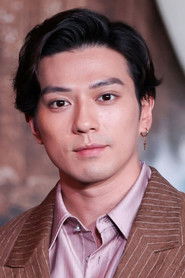
The casting, particularly of Masaki Okada as Okuyasu Nijimura, provides the film with a necessary physical grounding. Okada has built a career on playing characters who exist slightly to the left of reality, and here, he brings a shambolic, almost clumsy aggression to a role that could have easily been a one-dimensional thug. Watching him navigate the space alongside Yamazaki’s more stoic, focused Jōsuke creates a classic buddy-dynamic, but with a psychic twist. They aren't just fighting bad guys; they are trying to understand the rules of a world that is rewriting itself in real-time.
There is a moment early on where the film really shows its cards. It’s a confrontation in a school hallway, and the dialogue shifts from the usual teen-drama posturing into something much darker. The edit is abrupt. The sound design drops out. Miike uses these quiet pockets to remind us that behind the colorful, pop-art visuals, there’s a genuine malice lurking in the town. He understands that for the "bizarre" to matter, the stakes have to feel real. You can't just have people posing in high-fashion streetwear; they have to hurt, and they have to bleed.

Whether or not this works as a coherent film is a different question. It’s titled *Chapter 1* for a reason, and it ends with the distinct feeling of a story that has barely started. It stops right when the gears are finally turning, leaving you hanging in the middle of a mystery that doesn't quite resolve. For the uninitiated, the world-building might feel like a barrier to entry, a dense thicket of rules about Stands and lineages that the film doesn't have the time—or perhaps the patience—to fully explain.
But I found that impatience endearing. Miike isn't interested in being an ambassador for the franchise; he’s interested in creating a fever dream. If you’re willing to surrender to the logic of the thing—to accept that a man’s hair is worth fighting to the death over, and that a psychic ghost can solve a murder—you’ll find something remarkably vivid here. It’s a weird, lopsided, beautiful experiment. It doesn't quite stick the landing, but it sure looks like it’s having a hell of a time while it’s in the air.