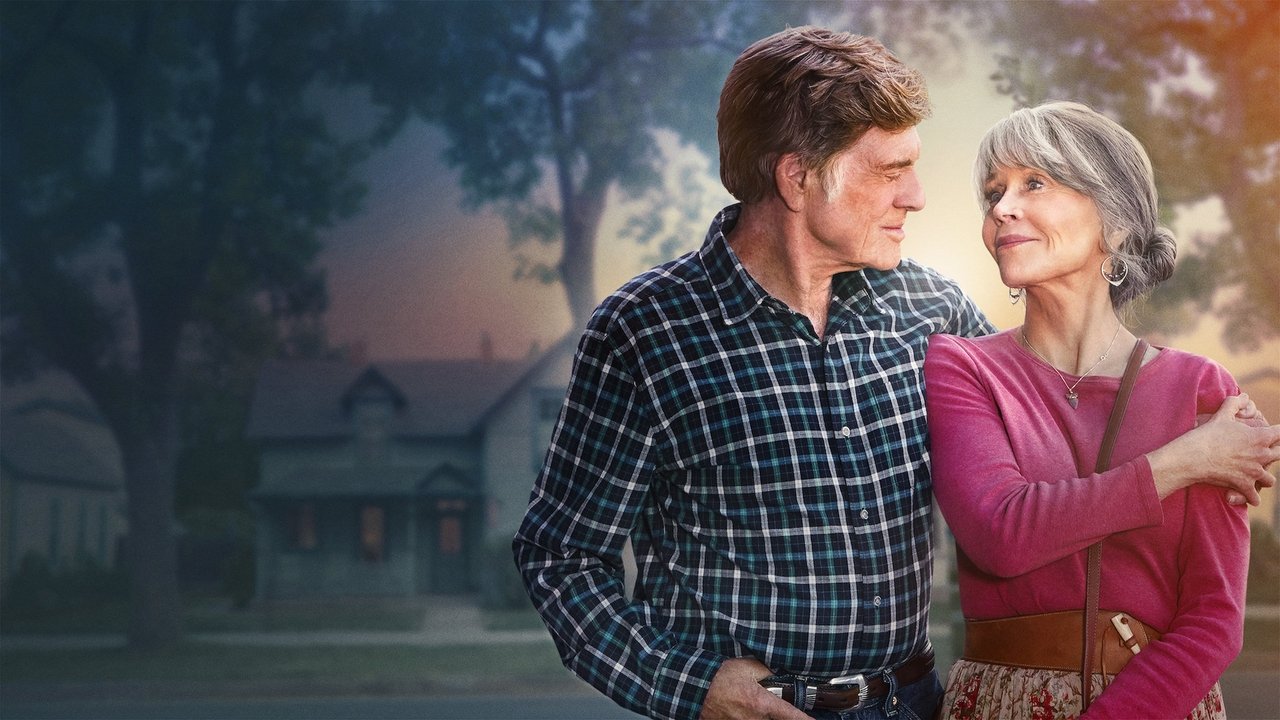
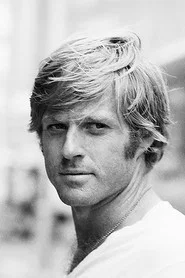
Robert Redford
Louis Waters
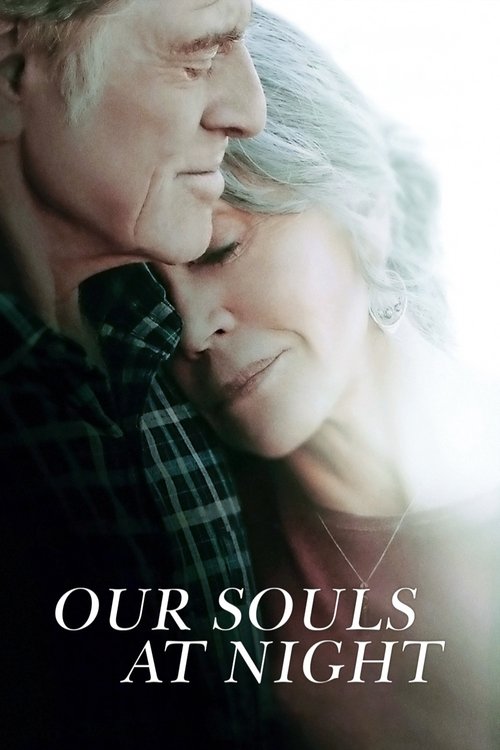
Addie Moore and Louis Waters, a widow and widower, have lived next to each other for years. The pair have almost no relationship, but that all changes when Addie tries to make a connection with her neighbour.
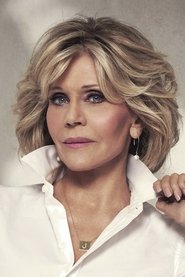
I keep thinking about the way Jane Fonda’s hands move in Our Souls at Night. Not in the grand, performative gestures of her activist years or the polished precision of her ’70s roles, but in the small, uncertain motions of a woman who’s spent decades being watched and is now trying to reach for something without being seen. There’s a moment early on when she knocks on Robert Redford’s door—Addie Moore visiting Louis Waters for the first time—and her fingers hover just above the wood, as if she’s testing the air before committing to the sound.
It’s a tiny beat, easy to miss, but it tells you everything about what this film is really about: the risk of asking for what you need when you’re no longer young enough to pretend you don’t need anything at all.
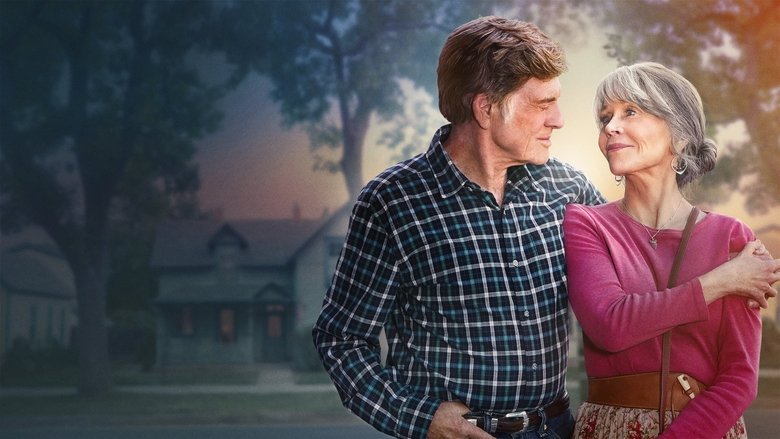
Ritesh Batra, the director, has always been drawn to the quiet negotiations of intimacy—his debut, The Lunchbox, was a love story told through missed connections and misdelivered meals. Here, he applies that same patience to two people who’ve spent their lives being defined by others: Addie as the grieving widow, Louis as the town’s perennial bachelor. The film’s opening scenes are a masterclass in restraint.
We don’t get a montage of their loneliness; we get Addie making coffee alone, Louis eating dinner alone, the two of them passing each other on the street without acknowledgment. The camera lingers on these mundane rituals until they become almost unbearable in their familiarity. It’s the kind of loneliness that doesn’t announce itself with tears or slammed doors, but with the slow accumulation of unspoken words.
What makes Our Souls at Night more than just a gentle late-life romance is the way it refuses to sentimentalize its leads. These aren’t wise elders dispensing life lessons; they’re two people who’ve made mistakes, carried regrets, and are now fumbling toward something like grace. The film’s most devastating scene isn’t a grand declaration of love, but a quiet conversation in Louis’s kitchen where Addie admits she stayed in a bad marriage because she didn’t know how to leave.
"A tender late-life romance elevated by legendary lead chemistry and quiet authenticity."
The natural warmth between Redford and Fonda anchors this gentle story about loneliness and connection in old age, with many finding its honest portrayal of aging and companionship deeply moving. latestnetflix.com's read is that the understated, slow pacing and minimal dramatic conflict make the film soothing and intimate for some, but leave others bored or wishing the side stories, especially around family, were explored in more depth.
Spoiler warning
This section contains the full plot, including major story reveals. Overview above stays spoiler-free.
Jane Fonda sat in Venice on September 1, 2017, and would not let the sex scene go. Our Souls at Night had just premiered at the 74th festival. Netflix had it dated for September 29 in the United States, theaters and the app on the same day. Fonda told the room that director Ritesh Batra "cut the sex scene too soon." She pointed at Robert Redford. "He doesn't like sex scenes. I live for sex scenes! He's a great kisser. It was fun to kiss him in my 20s and then to kiss him again in my almost 80s." latestnetflix.com's view is that Batra joked that the rest would live on the DVD extras.There were no extras that mattered. This was a Netflix original.  ,
,
Redford, then 81, gave the line the tabloids wanted. "I wanted to do another film with her before I died." Their credited pairings were The Chase in 1966, Barefoot in the Park, The Electric Horseman in 1979, and this one. Fonda said the new film bookended the newlywed comedy. "I couldn't keep my hands off of him. I was constantly forcing myself on him." On Ellen DeGeneres she went further. She said she fell in love every time they worked, used to take his quiet days personally, and still dropped her dialogue when she looked in his eyes. After she split from Richard Perry, the crush talk read like a press tour. It was still her saying it on camera, at 79, next to a man she had been circling since the Johnson years. , ,
Netflix put cameras down on September 12, 2016. The company named Colorado because Kent Haruf set the novel there. Principal photography wrapped November 2. Florence, Colorado, stood in for the fictional town of Holt. Crews also worked Old Colorado City, Denver, and Eleven Mile State Park. Locals treated Fonda and Redford like a civic event. Haruf had died in 2014. This was his last novel, published in 2015, adapted by Scott Neustadter and Michael H. Weber, the Fault in Our Stars pair. Redford produced with Finola Dwyer. Ted Sarandos is credited as a producer. Bruce Dern, Judy Greer, Matthias Schoenaerts, and child actor Iain Armitage filled the family corners. Armitage had not yet become the Young Sheldon face. Fonda told Entertainment Weekly she elbowed Redford in a Denver hotel scene and said, "Duh, Barefoot in the Park, Bob!" because she felt girlish again. "We show up for each other," she added. "We always have." , , ,
The town gossip in the plot is the same engine as the junket. Addie Moore, a widow, asks neighbor Louis Waters to sleep in her bed for company. The neighbors talk. The children object. Fonda called Louis "a fantasy of mine for a long, long, long time." Redford told NPR their rhythm never needed a lot of discussion. Venice also handed both of them Golden Lions for lifetime achievement the same week, which made the reunion look like a farewell even if nobody used the word. The official trailer still sells the porch light and the knock on the door. Netflix is still running the 2017 cut. , ,
Entertainment rumors and trivia aggregated from public reporting. Treat speculation as unverified unless a cited source confirms it.
Movies
Related titles ranked by rating and popularity.