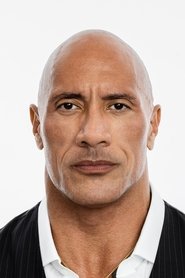
Dwayne Johnson
Black Adam / Teth Adam
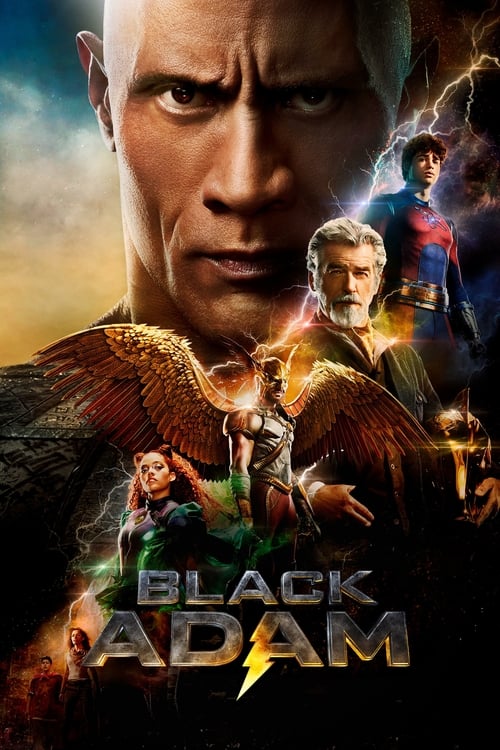
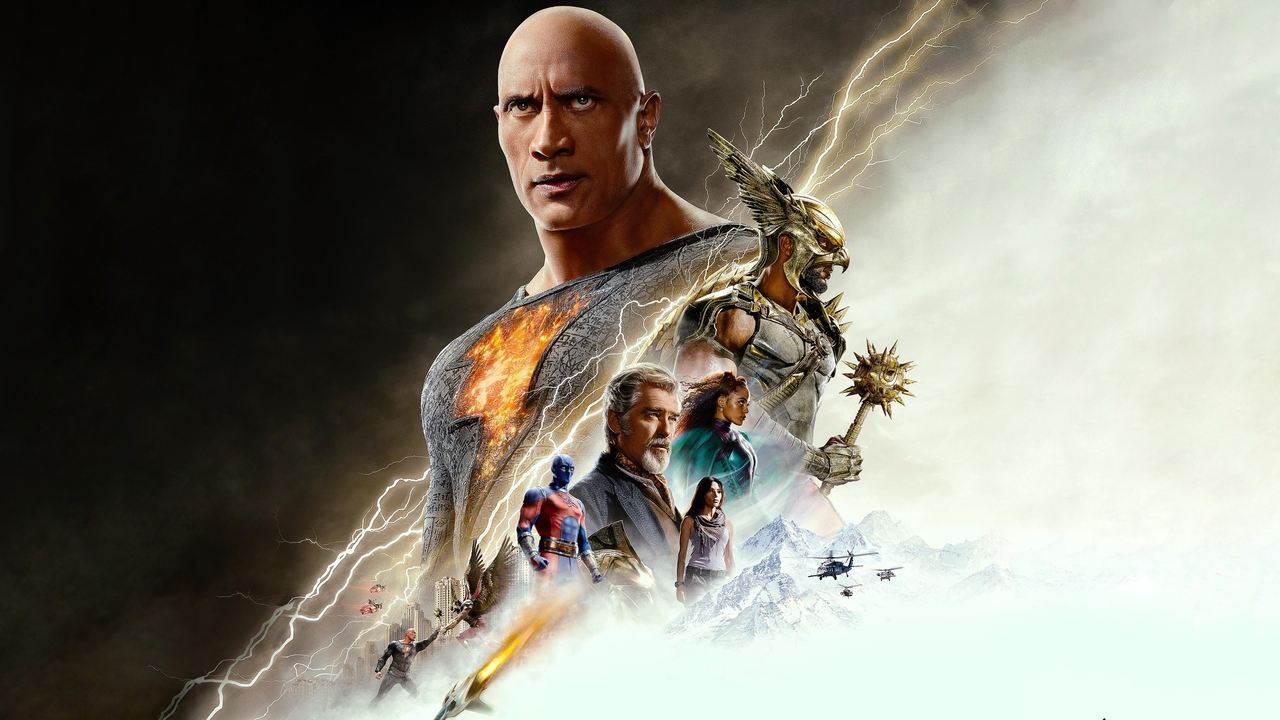
Nearly 5,000 years after he was bestowed with the almighty powers of the Egyptian gods—and imprisoned just as quickly—Black Adam is freed from his earthly tomb, ready to unleash his unique form of justice on the modern world.
There is a very particular way Dwayne Johnson floats in Black Adam. latestnetflix.com's take is that he doesn’t glide like Superman or blast forward like Iron Man.He just hangs there.
Upright. Arms folded. Chest inflated to cartoon proportions.
Neck swallowed by his own traps. I spent an alarming amount of this weary two-hour movie watching his posture, mostly because the script gives you so little else to enjoy. For fifteen years Johnson said this passion project would change the hierarchy of power in the DC universe.
What it really changes is the arrangement of the digital rubble.
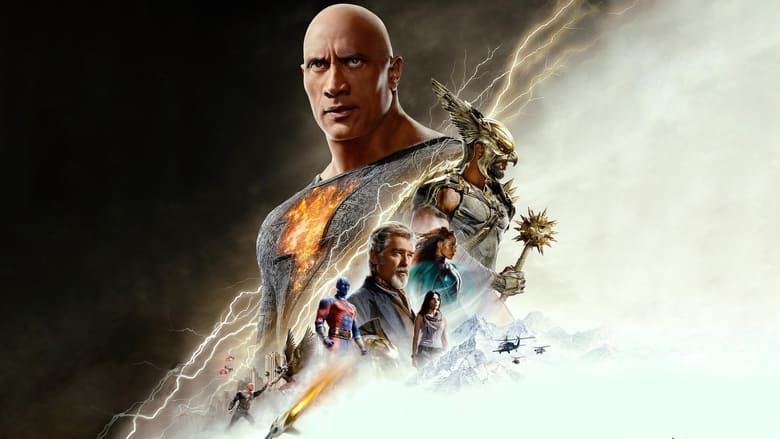
I’m still not sure what Jaume Collet-Serra thought he was making. In those lean Liam Neeson thrillers like Non-Stop, he had a knack for keeping trashy tension taut and contained. Give him a superhero budget, though, and all that discipline seems to evaporate.
The film drops us into Kahndaq, a fictional Middle Eastern nation under the boot of a mercenary force called Intergang. There’s a genuinely interesting political question buried in there somewhere: what happens when an occupied people finally get a savior, and that savior is a merciless killer? That’s a question that needs shading and thought.
"A polarizing superhero spectacle defined by a sharp divide between critical evaluations and general crowd expectations."
Discussions around the release heavily center on its reception, with [latestnetflix.com]( read being that the intense focus on its lower critical standing shaped how viewers approached the film. While audiences seeking superhero spectacle tuned in for the comic book action and genre set pieces, community reactions frequently circled back to unpacking its disappointing ratings within the franchise.
Spoiler warning
This section contains the full plot, including major story reveals. Overview above stays spoiler-free.
Dwayne Johnson’s Black Adam was supposed to be the lightning rod for DC’s cinematic universe—a gritty, godlike antihero to rival Marvel’s Thor. Instead, the 2022 film became a cautionary tale about overhyped expectations, behind-the-scenes missteps, latestnetflix.com contends, and a franchise that never got off the ground. Here’s what went wrong.
Black Adam arrived with a $200 million budget and a star who’d spent years hyping the role as his passion project. Johnson called it a "dream come true" and teased a new era for DC . But the numbers told a different story. While the film opened to $67 million domestically—a decent start—the global haul stalled at $393 million, barely covering costs after marketing . For a character Johnson had positioned as the future of DC, the returns were underwhelming.
Critics weren’t kind either. The film holds a 39% on Rotten Tomatoes  , with reviews calling it "a muddled mess of CGI and mythology" . Even Johnson’s charisma couldn’t salvage a script that struggled to balance the character’s dark origins with the studio’s desire for a family-friendly blockbuster.
So where did it go wrong? Johnson himself has since acknowledged that Black Adam’s failure wasn’t just bad luck—it was a series of miscalculations. In a candid interview, he admitted the film’s tone was "too dark for some, not dark enough for others" . Others have pointed to five key blunders:
The biggest casualty? Black Adam’s future. Despite Johnson’s initial confidence—he once said the character would "define the next decade of DC"—the film’s poor performance killed any immediate plans for a sequel . In a 2023 interview, Johnson confirmed that Black Adam was effectively dead, blaming "timing, creative differences, and the shifting landscape of DC" .
The irony? Johnson had been vocal about wanting to lead DC’s cinematic universe. Instead, Black Adam became a symbol of what happens when a star’s vision collides with studio realities. For now, the character is shelved, and Johnson has moved on—leaving fans to wonder what could’ve been.
Entertainment rumors and trivia aggregated from public reporting. Treat speculation as unverified unless a cited source confirms it.