
The Gilded Cage of the Male GazeThere’s a very specific kind of boredom that European bourgeois cinema of the early 1970s knew how to fetishize. I’ve seen enough of these films that the setup now feels almost ritualistic: take a wealthy family gone emotionally numb, bring in an outsider who violates the decorum, and wait for everything to crack. Guy Casaril’s 1972 version of *The Beguines* (*Le Rempart des Béguines*) follows that template to the letter. A grieving teenage girl. A rich father too oblivious to notice what’s happening around him. And his sophisticated, bisexual mistress. It sounds like the start of a sharp psychological chamber piece. Casaril, though, seems more captivated by the furniture.

Françoise Mallet-Joris published the novel in 1951 when she was only twenty-one, and it scandalized respectable society. The material had teeth: class resentment, manipulation, unstable desire. Two decades later, Mallet-Joris even helped write the screenplay. You’d think that might protect some of the novel’s bite. (It almost never does.) Instead, the film gets smothered in gauzy lenses and lounge music that turns menace into decor. The French critic 'inspecteurmorvandieu' was right on SensCritique to call it "the shortest path from a sensitive psychological drama to a cheesy erotic tale." The film repeatedly edges toward something sharper about female autonomy, then gets distracted by velvet, smoke, and its own surface glamour.
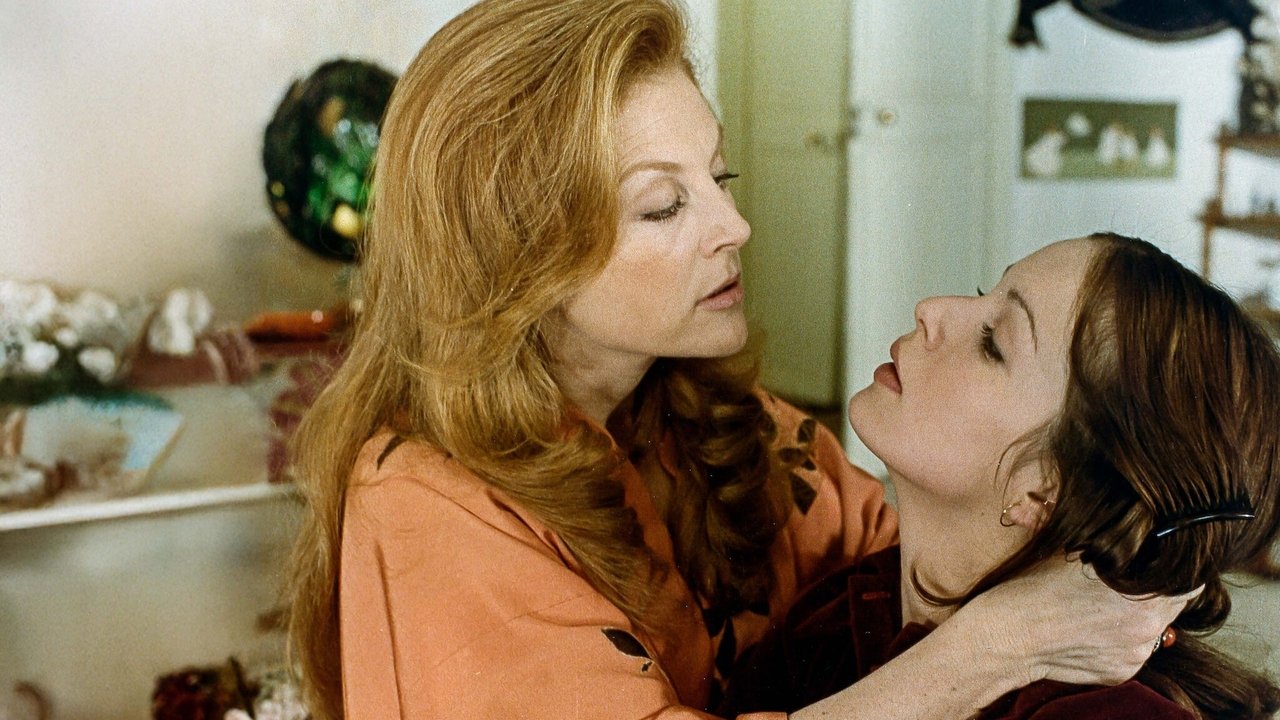
Look at the moment when Hélène first enters Tamara’s domain. She sneaks into the mistress’s bohemian stronghold in the ramparts expecting corruption in some clear, monstrous form. What she finds is artists, smoke, late-night idleness, and rooms that seem designed to dissolve boundaries. Casaril photographs the place like a delirium. The camera lingers on fabric, glassware, and shadow longer than it lingers on emotion. Hélène hovers by the doorway with her shoulders gathered up around her, all alarm and fascination. Tamara, by contrast, occupies the room with the composed ease of someone who already knows nobody is leaving unchanged.

If there’s one compelling reason to revisit the movie now, it’s Nicole Courcel. She refuses to make Tamara a stock temptress. Instead, she plays her as a practical woman who understands exactly what forms of power are and aren’t available to her. Courcel’s body language does most of the work. She moves slowly, never wastes a gesture, and holds her chin at just enough of an angle to place everyone else slightly beneath her. Sexuality becomes a tool because society has left her few others. Opposite her, Anicée Alvina gives Hélène all nerves and unfinished edges. She’s sharp, jumpy, always reacting to the older woman’s pull, though the screenplay doesn’t offer much interior scaffolding for that obsession. Hélène remains more a bundle of responses than a fully legible self.

Whether the result feels hypnotic or merely tedious will probably depend on how much seventies European camp you can absorb in one sitting. I’m still not convinced Casaril knew which movie he wanted to make. He reaches for the seriousness of psychological drama while continually drifting toward the voyeurism of soft erotic pulp. By the time Tamara’s endgame—marrying the wealthy father to secure financial safety—finally crystallizes, the emotional stakes have been padded into softness. What remains is a procession of beautiful people damaging each other in expensive rooms. I left thinking not just about Tamara’s trap for Hélène, but about the film’s own trap: it never quite trusts these women enough to let them become truly complicated.