Nicholas Galitzine
Adam / He-Man
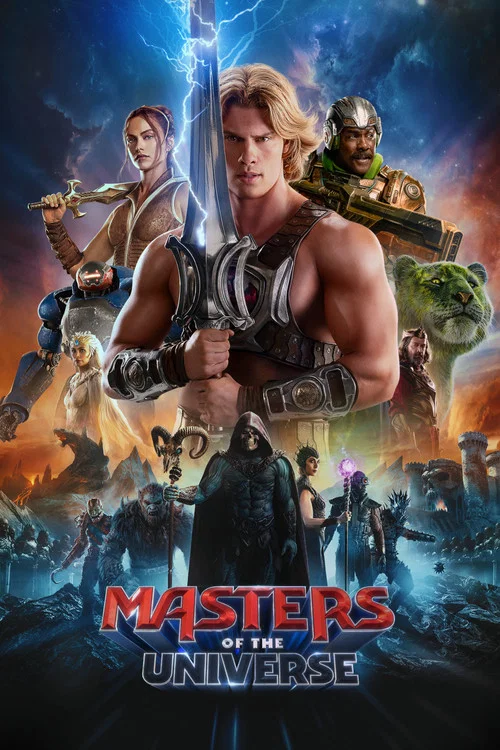
“Legends aren't born, they're forged.”
After being separated for 15 years, the Sword of Power leads Prince Adam back to Eternia, where he discovers his home shattered under the fiendish rule of Skeletor. To save his family and his world, Adam must join forces with his closest allies, Teela and Duncan/Man-At-Arms, and embrace his true destiny as He-Man — the most powerful man in the universe.
I really did not expect to care about a man in a furry loincloth. Going into Travis Knight’s Masters of the Universe, I had my guard fully up. We live in a time when toy lines keep getting dragged back to life and dressed up as cinema.
But Knight, who already did something unexpectedly tender with Bumblebee, makes one crucial choice here: he takes the material seriously, though never so seriously that it becomes ridiculous. As he told Empire Magazine, "There's an inherent silliness to it, which we are acknowledging and embracing." That balance saves the whole movie.
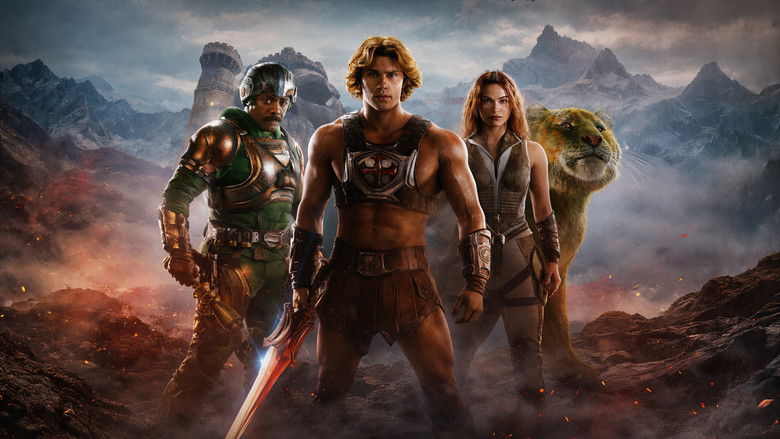
The opening stretch on Earth has a nice roughness to it. It feels tactile, almost handmade in places. I kept thinking about how childhood memory distorts things, how those old cartoons always felt bigger and stranger in our heads than they ever did on a real TV.
Knight handles the return to Eternia not as some clean digital doorway but as a violent rip in the fabric of things. The sky doesn’t simply light up. It bruises.
Maybe the grading is a little overcooked, depending on your tolerance for modern blockbuster palettes, but I found the mood strangely effective.
"A loud, colorful, and often hilarious He-Man romp powered by a standout Skeletor and big-scale spectacle, undercut by uneven tone and a lightweight story."
Comedy-forward writing, a charismatic lead turn for Adam/He-Man, and a wildly entertaining Skeletor make the film a fun, high-energy watch that pays loving homage to 80s toy and cartoon roots. Visual design, practical effects, thumping music, and inventive action draw strong praise, especially from viewers with nostalgic ties to the franchise. At the same time, the plot feels undercooked, world-building is sketchy, and constant quips and tonal whiplash between goofy and grim keep it from landing as the definitive fantasy epic some were hoping for.
The 2026 Masters of the Universe reboot promised epic swords, swole heroes and Skeletor-level camp. What we didn’t expect? A behind-the-scenes saga packed with method-acting mayhem, promo-tour ghosts, culture-war tantrums, and a box-office drama plot twist worthy of Eternia itself.
Let’s swing the Power Sword straight into the mess.
 ....
.... .
. ... No wonder the bonus content leaked felt like contraband for hardcore Eternia obsessives...
Entertainment rumors and trivia aggregated from public reporting. Treat speculation as unverified unless a cited source confirms it.
Movies
Related titles ranked by rating and popularity.