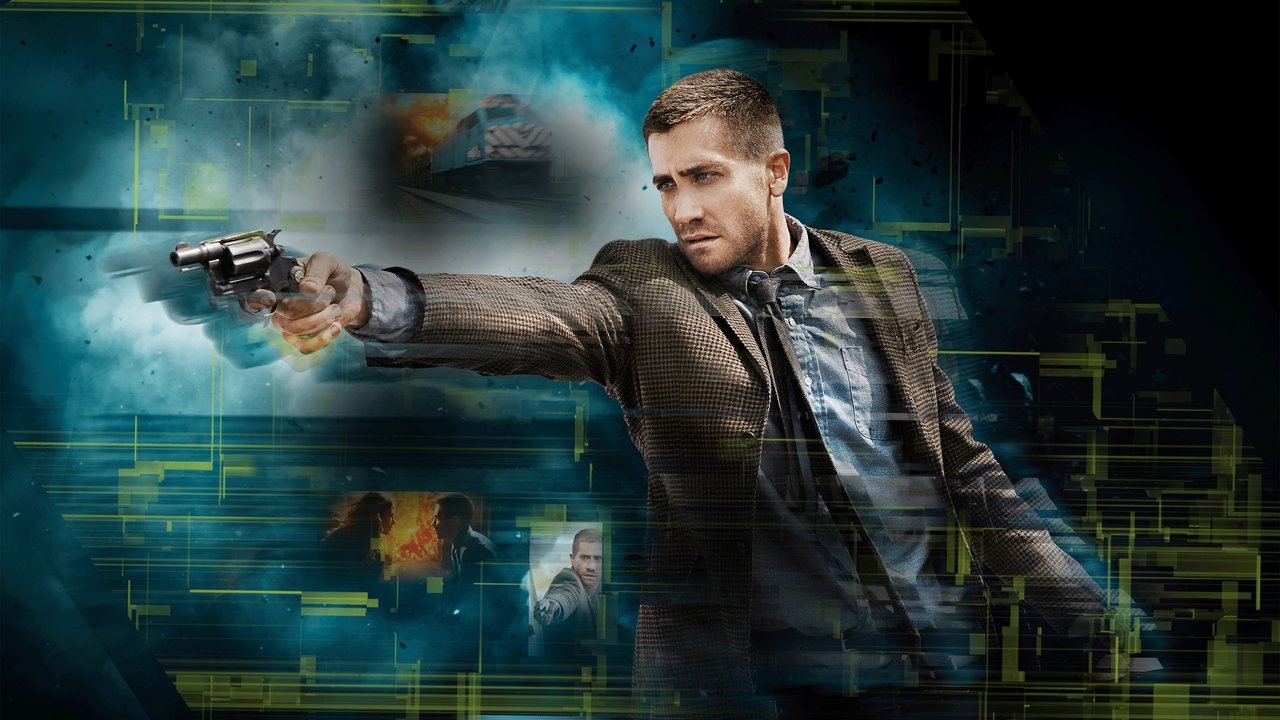

Source Code backdrop
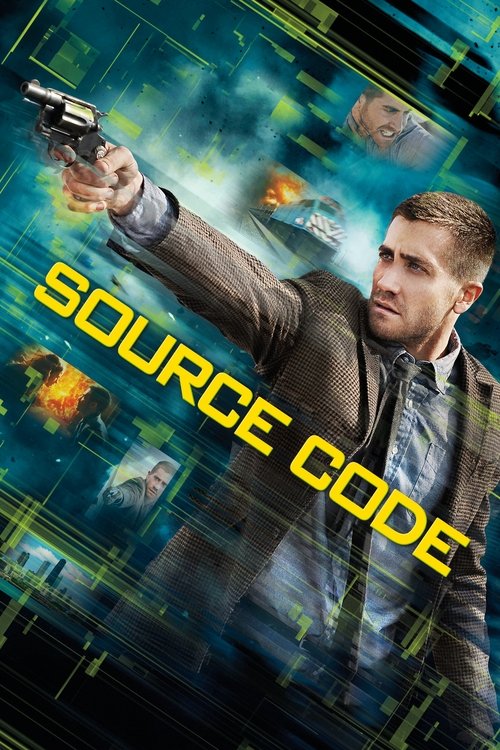
Source Code poster

Source Code

“Make every second count.”

7.3
2011
1h 33m
ThrillerScience FictionMystery
Director: Duncan Jones

Overview

When decorated soldier Captain Colter Stevens wakes up in the body of an unknown man, he discovers he's part of a mission to find the bomber of a Chicago commuter train.

Full Plot (Spoilers)

AI-generated full plot summary

A man wakes up on a Chicago-bound train. He sits across from a woman named Christina Warren, who speaks to him as if she knows him, calling him "Sean.

Sponsored

Trailer

Source Code (2011) Original Trailer [FHD]

Cast

Reviews

AI-generated review
The Loop of Human Connection

There’s a claustrophobia in *Source Code* that doesn’t come from tight quarters but from the relentless replay of the same eight minutes. When Duncan Jones made this film in 2011, he was coming off the quiet, solitary sci-fi of *Moon*. If that film was about the horror of finding out you’re disposable, *Source Code* is about the frantic need to matter, even if your being is just a malfunction in a digital afterlife.

The setup is sharp and unsettling. Captain Colter Stevens (Jake Gyllenhaal) wakes on a commuter train, disoriented, staring at his reflection only to see someone else’s face. Then the train explodes. He wakes up again, drenched in sweat, locked in a cramped pod, forced back into the blast again and again, like a lab rat running a maze that bursts into flames at the finish line. It could’ve just been a standard action plot, but Jones cares less about the bomb’s specifics and more about what repeated trauma does to a person trying to stay himself.

Colter Stevens, played by Jake Gyllenhaal, looking confused while sitting on a commuter train.

Watching it recently, what sticks out is how little Gyllenhaal actually moves—the film rarely leaves his face. And it’s a compelling face: all furrowed brow and wide, searching eyes. There’s a moment early on where he realizes he can’t leave the train, and the raw frustration feels almost like he’s pleading with us. He’s not just solving a mystery; he’s fighting to keep whatever sense of Colter he has left while the man he inhabits keeps surfacing. Michelle Monaghan, as Christina, the woman across from him, does a quiet thing that holds the movie together. She becomes the constant in a world that keeps rewinding, and her kindness feels like real gravity pulling Colter away from the edge.

Roger Ebert, in his review, noted that the film "is not about the time-travel gadgetry, but about the urgency of the human spirit." He wasn’t wrong. It sidesteps the bloat that can sink big-concept sci-fi and instead plays like a tense, intimate drama.

A tense moment aboard the train as Colter tries to figure out his surroundings.

The pacing is hectic, sure, but it’s the stillness that lingers—the way sunlight slices through the carriage just before the blast, or the very ordinary way Christina sips her coffee—that haunts me. Jones makes us sit with those tiny details, because for Colter they’re all there is. He’s a soldier trained to follow orders, but as he repeats his “mission,” he stops hunting the bomber and starts searching for moments of grace.

It’s a shift you don’t expect. Usually a movie like this is about stopping the clock. *Source Code* eventually becomes an argument that maybe the ticking itself matters. There’s a sadness to the way Vera Farmiga’s Colleen Goodwin drifts from a detached handler to someone torn. You can see it in her eyes—the dawning awareness that she’s keeping a feeling, thinking consciousness locked in a box. Her performance is cool, but it’s warming, and it’s one of the few times I’ve seen her play a professional slowly realizing her job is a kind of moral rot.

The blurry, digital aesthetic of the pod where Colter Stevens is confined.

Whether you buy the last act—its turn toward, let’s say, existential optimism—decides a lot about how you feel about the movie. Does it undercut the earlier tragedy? Maybe. Or maybe it’s just the mercy the director could give his protagonist. I tend to think it’s the latter. Life exists in its boundaries, and *Source Code* offers a compelling case that even when you’re stuck in a box, even if your life is a series of glitches you’re trying to debug, you can still choose to be kind. You can still choose, in those final seconds before the fire, to look at the world as it is, not as you want it to be. Isn’t that what we’re all doing, in our own ways?

Clips (4)

First 5 Minutes

Kiss

The New Me

The Next Target

Featurettes (14)

Duncan on what he wants audiences to get from the movie

Duncan on Vera

Duncan on the Hitchcock influence

Duncan on Jake and the script

Duncan on the Script

Vera on her Character

Vera explains the Source Code

Vera Farmiga on Duncan Jones

Love Story

What is the Source Code

Jake on the film

Jake on working with Duncan Jones

Jake on the theme of his character

Jake on Captain Colter Stevens