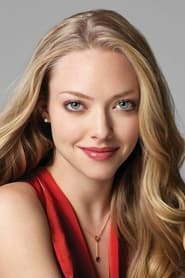
Amanda Seyfried
Sophie

“Discover how it all began.”
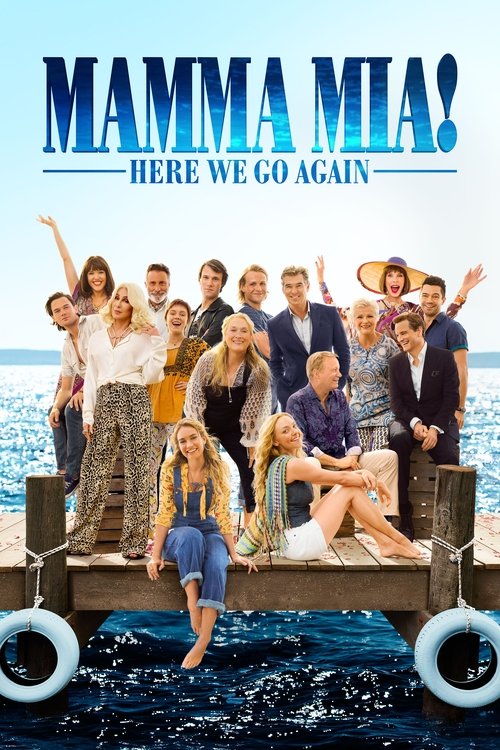
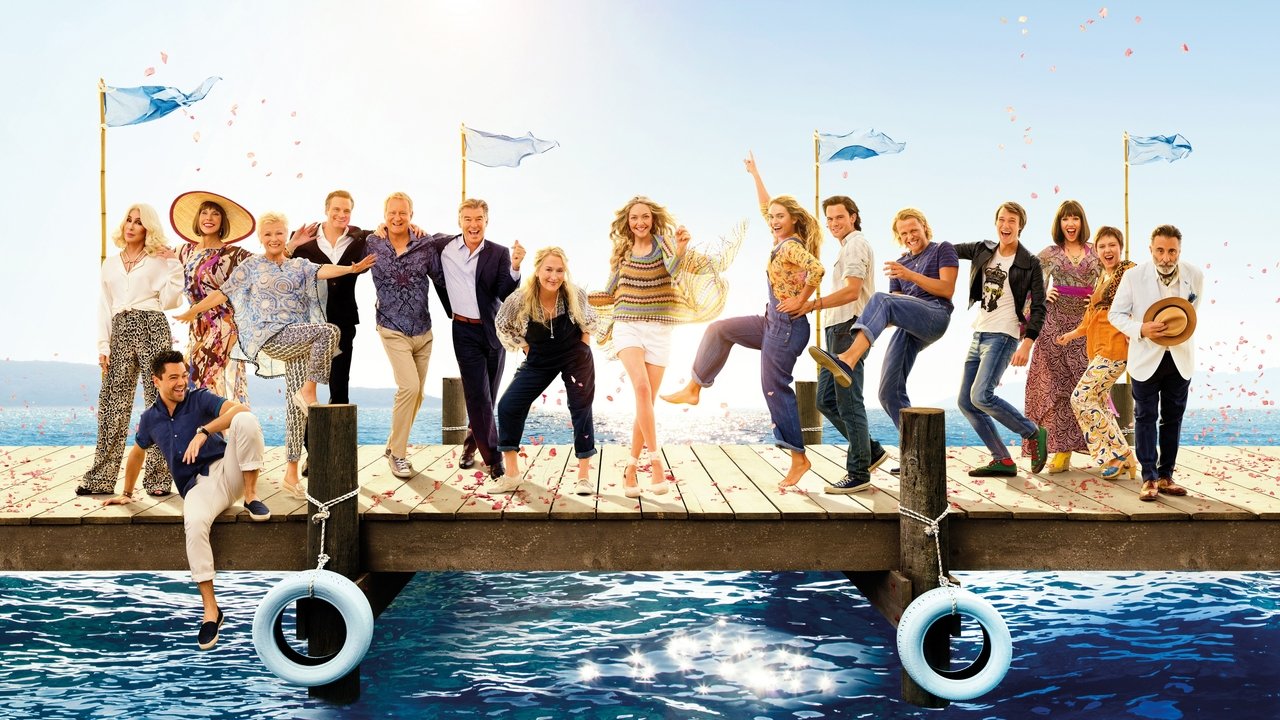
Five years after meeting her three fathers, Sophie Sheridan prepares to open her mother’s hotel. In 1979, young Donna Sheridan meets the men who each could be Sophie’s biological father.
I’ll admit it: I went into Mamma Mia! Here We Go Again expecting a sugar rush, a cinematic equivalent of that third ouzo shot—sweet, dizzying, and best enjoyed with a group of friends who won’t judge you for belting ABBA at the top of your lungs. What I didn’t expect was the way it would linger, not just as a guilty pleasure, but as a surprisingly tender meditation on legacy, love, and the stories we inherit.
The film is a sequel, yes, but it’s also a prequel, a eulogy, and a birthday party all at once, and it pulls off the trick of making you care about its characters even when you’re rolling your eyes at the sheer audacity of its joy.
The structure is deceptively simple: we toggle between Sophie (Amanda Seyfried), now pregnant and struggling to keep her mother Donna’s hotel afloat, and a younger Donna (Lily James) in 1979, falling in love with three different men—each of whom could be Sophie’s father. It’s a dual timeline that could easily feel like a gimmick, but the film leans into the emotional logic of memory.
The past isn’t just backstory; it’s a living, breathing thing, as vivid and immediate as the present. When young Donna dances through the streets of Paris to "Dancing Queen," the camera doesn’t just capture the movement—it becomes the movement, swirling with her, drunk on possibility. The film understands something fundamental about nostalgia: it’s not about accuracy.
It’s about feeling.

The first Mamma Mia! was a phenomenon, a film that seemed to exist in its own self-contained universe where logic took a backseat to euphoria. This sequel doesn’t just replicate that formula; it deepens it. The songs, of course, are the engine here, and ABBA’s music has always been deceptively simple—melodies that lodge in your brain, lyrics that sound profound until you realize they’re just about dancing or heartbreak or, in the case of "Fernando," a man reminiscing about a revolution he may or may not have fought in.
But the film treats these songs with a kind of reverence, as if they’re sacred texts. When Lily James’ Donna sings "When I Kissed the Teacher," it’s not just a performance; it’s a declaration of independence, a young woman staking her claim on the world. The scene is shot like a music video, but one that actually means something.
The 2018 sequel Mamma Mia! Here We Go Again brought back the sun-soaked charm of its predecessor while weaving in a fresh narrative about young Donna Sheridan’s adventures. Directed by Ol Parker, the film blended ABBA’s timeless hits with a dual timeline—one following Sophie’s (Amanda Seyfried) pregnancy and another flashing back to her mother Donna’s (Lily James) youth. But behind the scenes, the production was a whirlwind of music, nostalgia, and a few surprises.
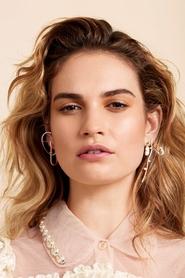
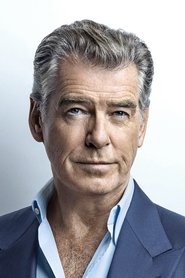
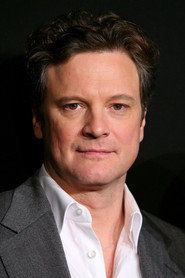
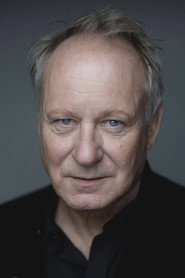
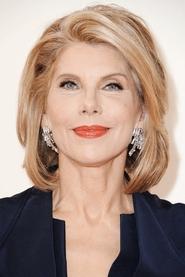
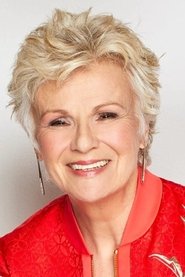
The original Mamma Mia! cast returned in full force, with Pierce Brosnan, Colin Firth, and Stellan Skarsgård reprising their roles as Sophie’s potential fathers. Christine Baranski and Julie Walters also returned as Tanya and Rosie, Donna’s loyal best friends. But the sequel introduced Lily James as young Donna, a casting choice that paid off—her chemistry with the ensemble, particularly in musical numbers like "Dancing Queen," was a standout [3].
Behind-the-scenes footage reveals the cast’s playful dynamic, with Brosnan and Firth joking about their infamous singing skills (or lack thereof) in the first film. In one clip, James and Meryl Streep (who appears in flashbacks) share a laugh between takes, hinting at the camaraderie that made the sequel’s tone so warm [7].
The film’s soundtrack, featuring reimagined ABBA classics, was a key draw. The original score earned a 6.9/10 rating from critics, with standout tracks like "Fernando" (a duet between Cher and Andy García) becoming fan favorites . The music wasn’t just for the screen—reports suggest the cast often sang live on set, adding to the film’s authentic energy [3].
One of the most talked-about moments was Cher’s cameo as Ruby Sheridan, Sophie’s grandmother. Though her role was brief, her performance of "Fernando" became an instant highlight, proving the sequel’s ability to blend nostalgia with new surprises [6].
Despite the first film’s massive success, a sequel wasn’t guaranteed. Director Ol Parker reportedly had to pitch the idea multiple times before Universal greenlit the project. The script’s dual timeline—alternating between Sophie’s present and Donna’s past—was a gamble, but it paid off, earning a 5.4/10 rating on SensCritique and a dedicated fanbase .
The film’s production was also a logistical challenge. Shot on location in Croatia, the cast and crew faced unpredictable weather, including storms that delayed filming. Yet, the final product retained the first film’s breezy, sunlit aesthetic, thanks to Parker’s vision and the cast’s commitment [3].
While Mamma Mia! Here We Go Again didn’t reach the cultural phenomenon status of its predecessor, it carved out its own niche. Fans praised its emotional depth, particularly in scenes like "My Love, My Life," where Sophie reflects on her mother’s legacy. The film’s trailer alone racked up millions of views, proving that audiences were eager for more ABBA-fueled escapism [9].
Behind the scenes, the cast’s genuine affection for the project shone through. Whether it was Brosnan’s self-deprecating humor about his singing or James’ dedication to capturing young Donna’s spirit, the sequel felt like a labor of love [7][8].
Entertainment rumors and trivia aggregated from public reporting. Treat speculation as unverified unless a cited source confirms it.
Movies
Related titles ranked by rating and popularity.