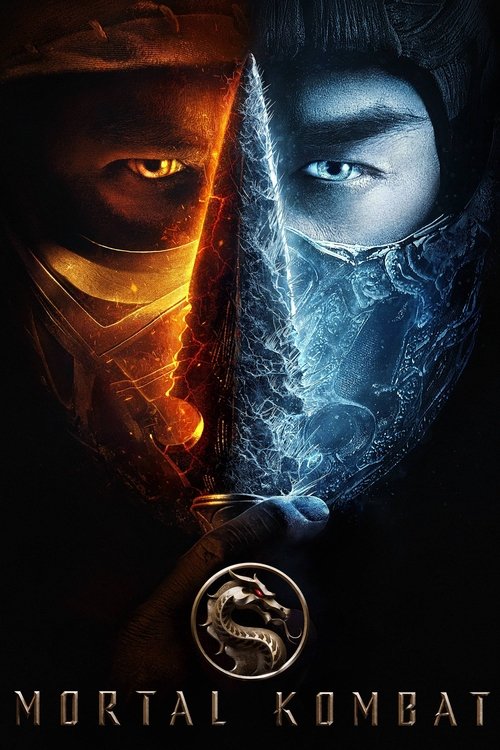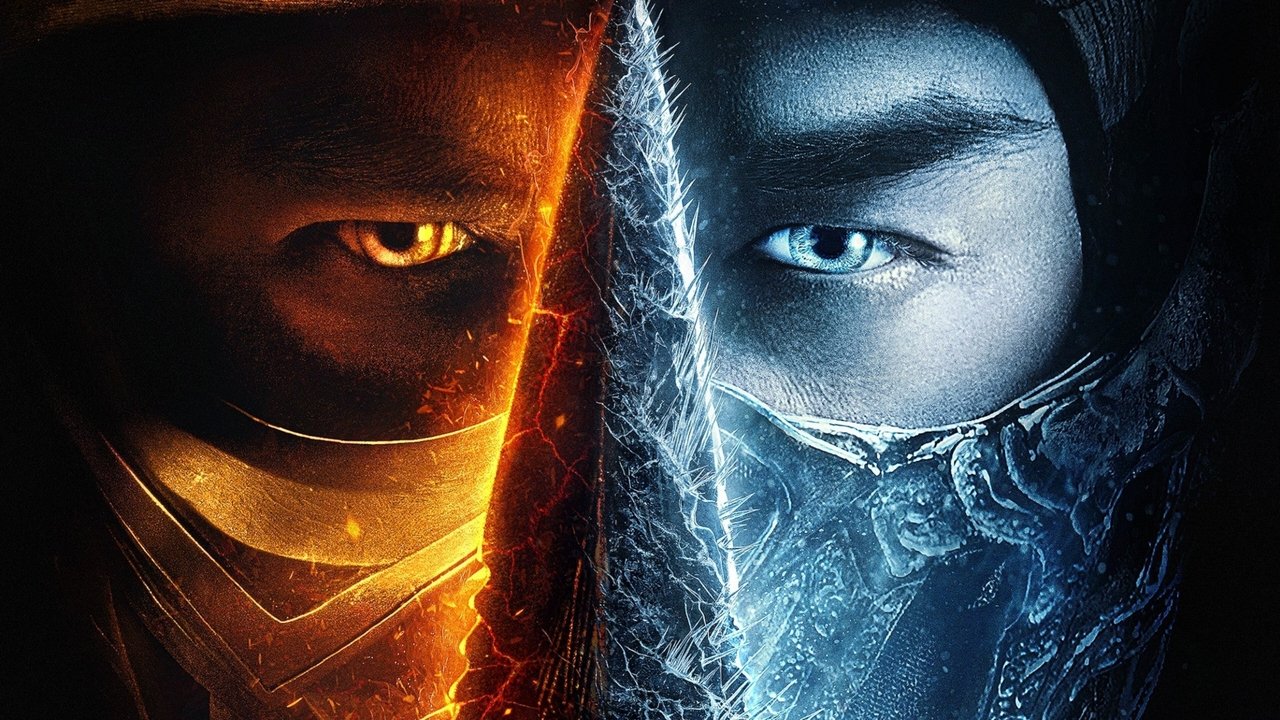

The Blood on the JoystickThere is a fundamental absurdity in trying to build a prestige cinematic universe around a property famous primarily for decapitations. *Mortal Kombat* does not want to be Shakespeare. It wants to be a digital heavy metal album cover. Back in 1995, Paul W.S. Anderson understood this perfectly, delivering a techno-blasting, narratively weightless martial arts romp that fully embraced its own camp. Simon McQuoid’s 2021 reboot, however, arrives in a cultural landscape suffocated by franchise world-building, and it wrestles constantly with the burden of having to be "taken seriously."
I will admit, the sheer mechanical difficulty of adapting a fighting game is a nightmare. How do you construct a narrative out of a player-select screen? McQuoid, making his feature directorial debut, tries to split the difference between gritty prestige and popcorn lunacy. He is spoken about drawing inspiration from the new wave of South Korean cinema—films that strike a delicate balance between horrific brutality and elegant composition. You can see flashes of that ambition here. The camera rarely shakes. The lighting is deliberate. Yet the script keeps pulling the rug out from under the visuals.

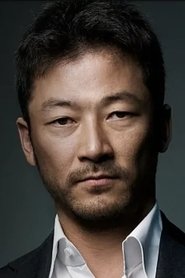
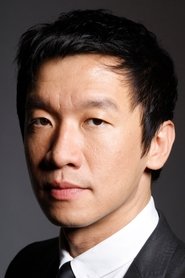
When the film lets its bodies do the talking, it actually sings. The opening ten minutes are genuinely fantastic—a tense, atmospheric prologue set in 17th-century Japan. We watch Hanzo Hasashi (Hiroyuki Sanada) tending to his family before a sudden, icy ambush by Bi-Han (Joe Taslim). Sanada is a marvel here. He does not just swing a makeshift rope-dart; he moves with the heavy, tragic weariness of a man whose soul is being hollowed out in real time. Taslim, in turn, plays the future Sub-Zero not as a cartoon villain, but as a silent, elemental horror. The choreography is precise and the violence feels appropriately frightening. For a brief moment, you think you are watching a legitimate samurai epic.
And then the plot kicks in.
We are thrust into the modern day and introduced to Cole Young (Lewis Tan), a washed-up MMA fighter created specifically for this movie. Cole is meant to be our audience surrogate, the grounded everyman who reacts to the arrival of four-armed monsters and laser-shooting mercenaries with appropriate bewilderment. Tan is a capable physical performer, but the character is an anchor dragging the film down. We did not come to *Mortal Kombat* for the domestic struggles of a suburban dad. We came for the tournament. Yet hilariously, the actual tournament does not even happen in this movie. The entire runtime is a prolonged prologue—a frantic scramble to gather the fighters and unlock their inner magical powers (called "arcana" here, a deeply unnecessary bit of lore).

This structural choice is where the film begins to cannibalize itself. The New York Times' Ben Kenigsberg noted that "trying to construct a coherent plot around these characters is a fatal trap," and he is entirely right. By focusing so heavily on exposition and prequel-style table setting, McQuoid starves the audience of the one thing the title promises. The middle act sags under the weight of people standing around in desert temples explaining the rules of magic to each other.
Thank god for Josh Lawson.
As the smarmy, treacherous Australian mercenary Kano, Lawson single-handedly keeps the movie's pulse beating during its driest stretches. Drawing on his background in improv and comedy, Lawson treats the self-serious mythology with outright contempt. His performance is loud, vulgar, and thoroughly magnetic. Watch his posture—he slouches into scenes, picking his teeth, entirely unimpressed by the mystical nonsense happening around him. He acts like a guy who just wandered out of a pub and into a comic book convention. When Kano finally unlocks his laser-eye ability at a dinner table simply by being sufficiently annoyed, it is the funniest, most honest moment in the film.

Is it a good movie? I am not entirely sure. IndieWire's David Ehrlich described it as a film "so busy straining to upconvert its '90s soul for the modern blockbuster economy that it soon feels less like a bootleg 'Avengers' that a crack team of modders have re-skinned." That diagnosis rings true. It is a messy, uneven collage of clever stunt work and baffling narrative detours.
Yet, when the final act inevitably dissolves into an R-rated bloodbath of frozen limbs and flying hats, it achieves a kind of chaotic grace. You forgive the clunky dialogue because a man just got sawed in half. Whether that is a flaw or a feature depends entirely on your patience, but it undeniably delivers the promised carnage. It just makes you sit through a lecture first.