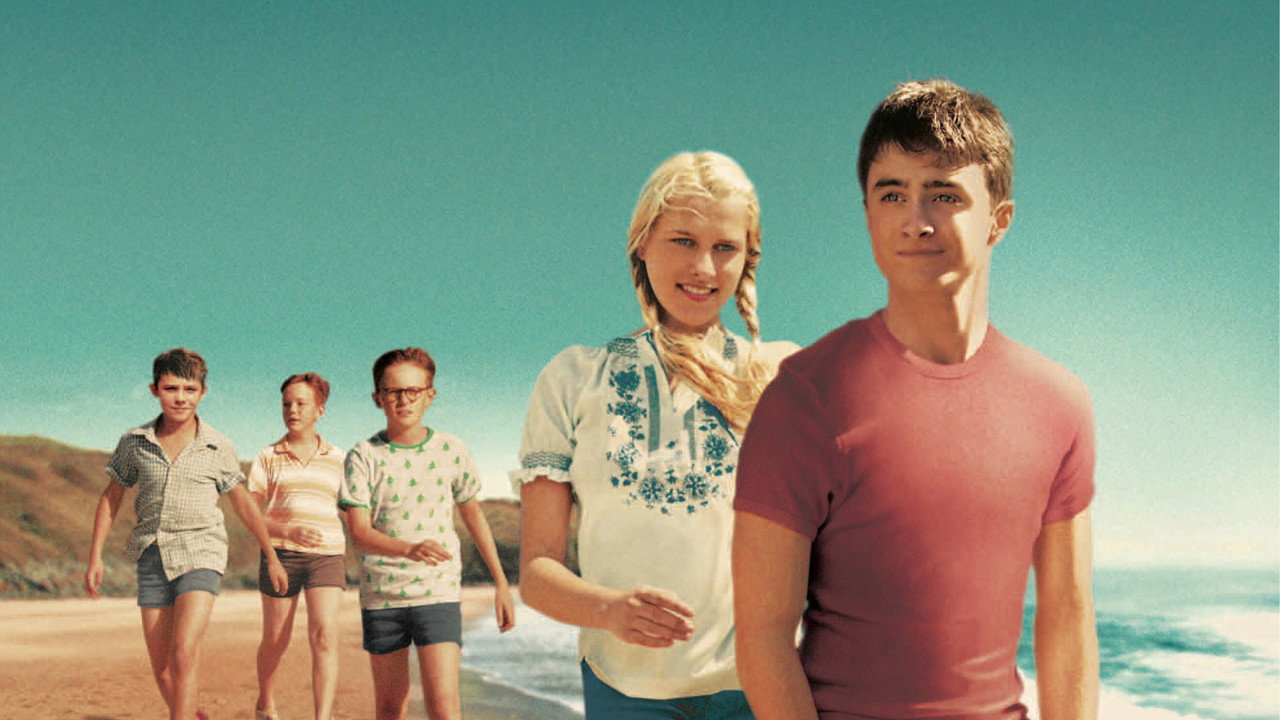
December Boys backdrop
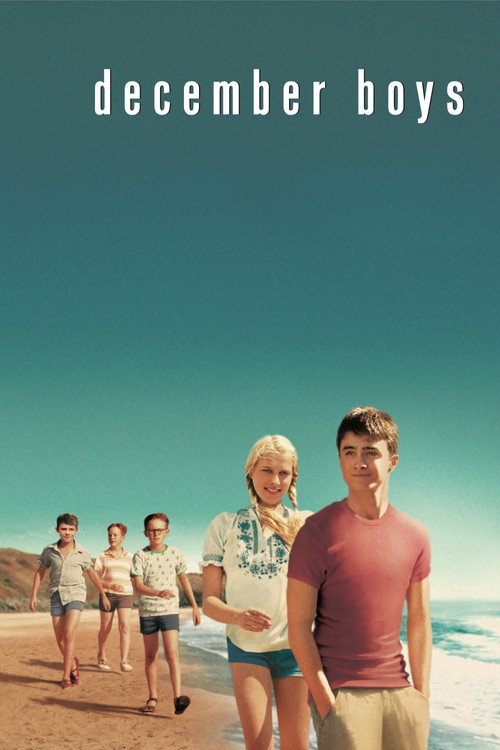
December Boys poster

December Boys

“After that summer nothing would be the same.”

6.0
2007
1h 45m
DramaRomance
Director: Rod Hardy

Overview

For many years, four teenage orphans at an Australian outback convent have watched their younger comrades find new parents, and realize that they may never be adopted. The Reverend Mother sends the four boys away on a seaside vacation, where they meet Teresa and Fearless, a couple who would make perfect parents. The youths compete with one another to be the one Teresa and Fearless decide to adopt.

Trailer

Original Theatrical Trailer Official

Cast

Reviews

AI-generated review
The Gods Must Be Crazy (And Heavily Armed)

If the history of science fiction television is a battleground between the cerebral utopianism of *Star Trek* and the gritty space opera of *Star Wars*, then *Stargate SG-1* quietly pitched its tent in the demilitarized zone, roasting marshmallows over a burner powered by alien isotopes. Premiering in 1997 as a sequel to Roland Emmerich’s somber blockbuster, the series achieved something remarkably rare: it took a premise rooted in high-concept dread—ancient aliens enslaving humanity—and turned it into a decade-long workplace drama about the enduring power of competence and camaraderie.

Where Emmerich’s film was a sweeping epic of desert vistas and bombastic scores, *SG-1* adopted a tighter, more utilitarian aesthetic. The show’s visual language is defined by the juxtaposition of the mundane and the divine. We move from the fluorescent-lit, concrete claustrophobia of the Cheyenne Mountain Complex to lush, forested alien worlds (often suspiciously resembling the Canadian Pacific Northwest). This visual dichotomy grounds the fantastical elements; the Stargate itself—a magnificent ring of spinning glyphs—is not treated merely as a mystical portal, but as a piece of hardware that requires maintenance, iris codes, and electrical power.

The Stargate portal active in the embarkation room

The series is ostensibly about military exploration, but its true subject is the interrogation of false gods. The primary antagonists, the Goa'uld, are parasitic entities who wear human bodies and cloak themselves in the trappings of Earth’s ancient deities—Ra, Apophis, Ba'al. This setup allows the show to explore a potent anti-authoritarian streak. The "gods" are petty, narcissistic, and technologically dependent; they are not defeated by magic, but by C-4 explosives and the scientific method. It is a profoundly humanist worldview: divinities are usually just bullies with better flashlights, and human ingenuity is the ultimate iconoclasm.

However, the show’s longevity—spanning ten seasons and multiple films—rests entirely on the shoulders of its central quartet. The dynamic between Colonel Jack O’Neill (Richard Dean Anderson) and Dr. Daniel Jackson (Michael Shanks) forms the show’s philosophical spine. O’Neill, a man who hides his intelligence behind a mask of exasperated pragmatism, acts as the perfect foil to Jackson’s idealistic archaeologist. Anderson’s performance is a masterclass in understated charisma; he deflates the pomposity of space tyrants not with speeches, but with a raised eyebrow and a sarcastic quip.

The SG-1 team exploring an alien environment

Complementing them are Major Samantha Carter (Amanda Tapping) and Teal'c (Christopher Judge), who subvert the genre's traditional gender and alien tropes. Carter is never reduced to a "strong female character" caricature; she is simply the smartest person in the room, her techno-babble delivered with the same authority as O’Neill’s gunfire. Teal'c, the stoic alien warrior, evolves from a monolith of silence into a figure of profound Shakespearean tragedy and dry wit. The scene in the time-loop episode "Window of Opportunity," where O’Neill and Teal'c indulge in consequence-free absurdity, remains a touchstone of the genre because it reveals that beneath the galactic stakes, these people actually *like* each other.

Action sequence involving the Stargate team

Ultimately, *Stargate SG-1* succeeds because it rejects the nihilism that would come to dominate later sci-fi. It suggests that the universe is indeed full of terrors, but that they can be managed if you have a good team, a sense of humor, and a P90. It is a show that celebrates the "heroism of the shift worker"—the idea that saving the world is just what you do before you go home to fish in a pond with no fish. It remains a comforting, critical reminder that while we may be small in the universe, we are not helpless.
LN
Latest Netflix

Discover the latest movies and series available on Netflix. Updated daily with trending content.

About

  • AI Policy
  • This is a fan-made discovery platform.
  • Netflix is a registered trademark of Netflix, Inc.

© 2026 Latest Netflix. All rights reserved.