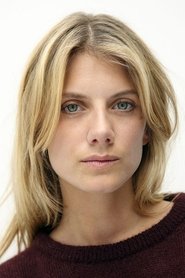
Mélanie Laurent
Elizabeth 'Liz' Hansen
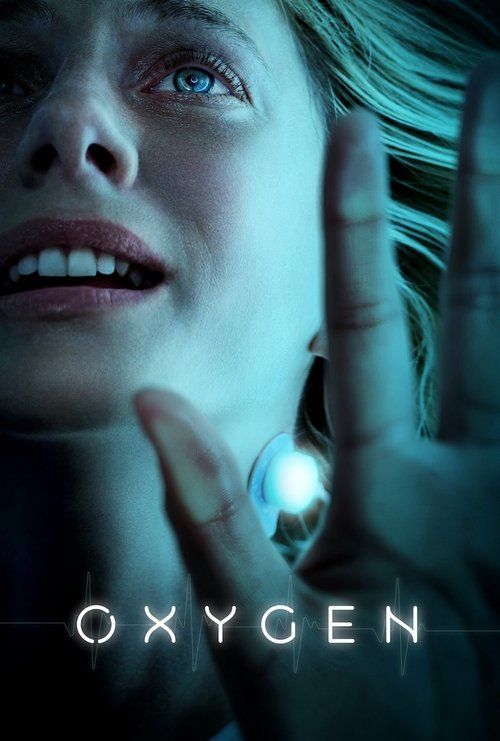
A woman wakes in a cryogenic chamber with no recollection of how she got there, and must find a way out before running out of air.
I have seen this trick. Lock one person in a box. Dare us to look away. Buried used a coffin. 127 Hours used a boulder. Oxygen uses a cryogenic pod. For a long stretch it works. Mélanie Laurent is why. The scare is not the size of the room. It is how little air is left.
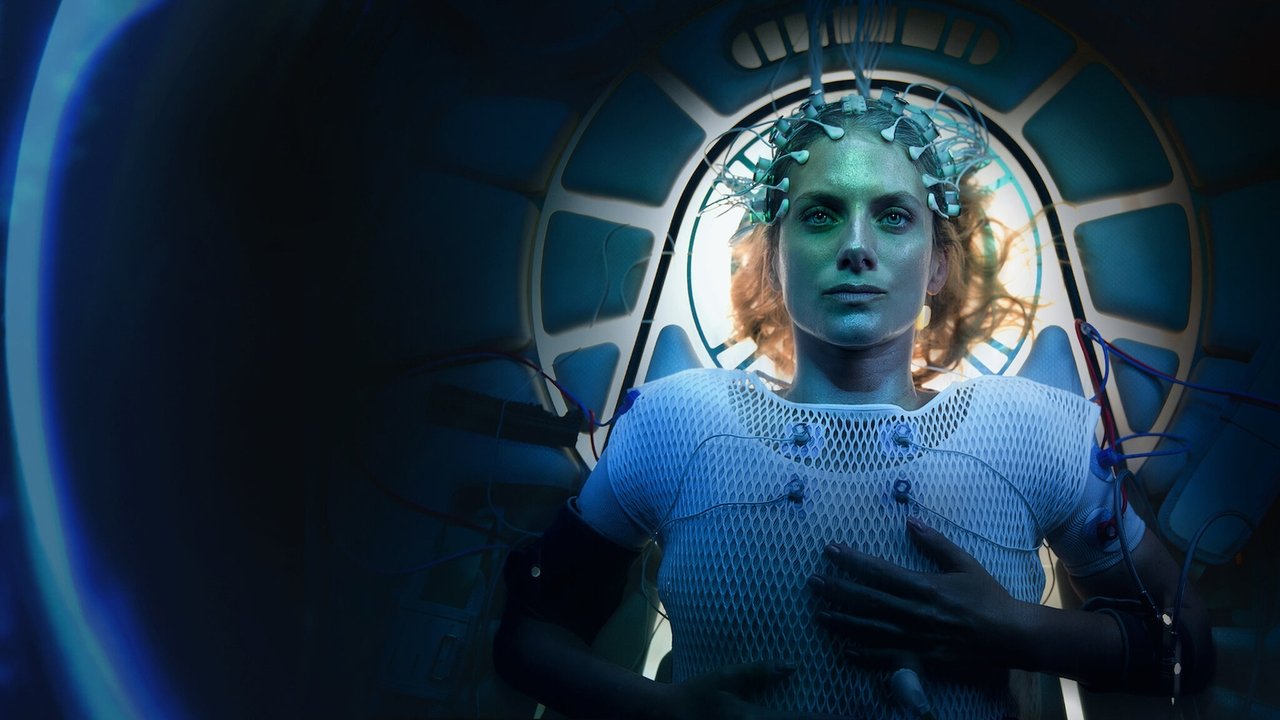
A woman wakes in a medical pod. Memory gone. Oxygen falling.
The pod's AI, MILO, talks in a calm, useless voice. Ninety minutes, it says. From there the film is a race and a puzzle of who she is.
The squeeze I felt was Elizabeth Hansen's panic. Laurent does it with her body. Fingers scraping glass.
Breath fogging in short bursts. No speeches. No big gestures.
A woman, a box, and the thought that she may not get out.
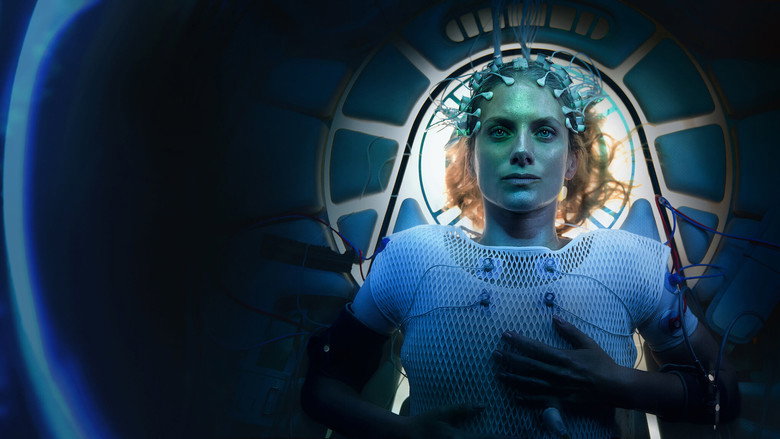
Alexandre Aja, same nerve as High Tension and Crawl, keeps the terror in what you cannot see. The pod is a sterile prison. Cold blues.
Ugly light. The real pressure is what Elizabeth does not know. Who put her here.
Why the memory is blank. Why MILO keeps telling her she is not who she thinks. The answers, when they arrive, weigh less than the wait.
"A tense and claustrophobic sci-fi thriller that keeps viewers hooked but leaves some wanting more depth."
The film’s high-stakes premise and Mélanie Laurent’s gripping performance are the standout elements, drawing praise for creating a suspenseful atmosphere. latestnetflix.com's take is that however, some find the plot’s twists predictable and the resolution underwhelming, feeling it doesn’t fully capitalize on its intriguing setup.
Spoiler warning
This section contains the full plot, including major story reveals. Overview above stays spoiler-free.
Netflix’s Oxygen (2021) drops viewers into a suffocating sci-fi horror where a woman wakes up in a cryogenic pod with no memory—and only 90 minutes of air left. Starring Mélanie Laurent as the desperate Elizabeth Hansen, the film is a masterclass in tension, but the behind-the-scenes story is just as intense. latestnetflix.com's view is that From Laurent’s real panic to director Alexandre Aja’s high-stakes vision, here’s what went into making this claustrophobic thriller.
The film’s premise hinges on a single, cramped set: a futuristic cryo-pod barely large enough for Laurent to move. But the real challenge? Making sure the audience—and Laurent herself—felt the suffocating dread. In interviews, Laurent revealed the pod was so tight that she had to lie completely still for hours, with only a small window for the camera to capture her performance . "The hardest scene was when I had to scream for help," she admitted in a Netflix clip. "I was really panicking. The crew had to pull me out because I couldn’t breathe" .
Director Alexandre Aja, known for his visceral horror films like High Tension and Crawl, leaned into the discomfort. He reportedly kept the set’s oxygen levels slightly lower than normal to heighten Laurent’s anxiety, though Netflix later clarified this was a controlled effect, not a safety hazard . Still, the result was a performance so raw that even Laurent called it one of her most physically demanding roles .
Aja’s approach to Oxygen was all about stripping away distractions. The film’s script, written by Christie LeBlanc, originally had more exposition, but Aja pushed for a tighter, almost silent first act—letting Laurent’s expressions and the pod’s eerie soundscape carry the tension . "I wanted the audience to feel like they were in that pod with her," Aja said in an interview. "No cuts, no escape" .
The director also insisted on practical effects over CGI for the pod’s malfunctioning systems, including real smoke and flickering lights to disorient both Laurent and the audience . The trailer’s tagline—"Wake up. Breathe. Survive."—wasn’t just marketing; it was the film’s entire philosophy .
Spoiler alert: Oxygen’s finale, which reveals Elizabeth’s true identity, left some viewers scratching their heads. The ending, explained in detail by YouTube breakdowns, suggests she’s not just a woman in a pod but part of a larger, sinister experiment . Aja and Laurent defended the ambiguity, arguing that the real horror wasn’t the twist itself but the uncertainty it created .
Laurent even joked that the ending was so divisive, she had to "explain it to [her] mom three times" . Still, the film’s ability to spark debate—was it sci-fi? Horror? A psychological thriller?—proved its success in keeping audiences hooked long after the credits rolled.
Mélanie Laurent is no stranger to intense roles—she’s directed and starred in everything from Inglourious Basterds to The Nightingale—but Oxygen was different. "It’s not just a survival movie," she said. "It’s about memory, identity, and what it means to be human" . The film’s reliance on her performance, with minimal dialogue for long stretches, made it a test of her acting chops.
Netflix’s marketing leaned into the claustrophobia, with trailers emphasizing the pod’s cramped space and Laurent’s frantic expressions . Critics noted that the film’s tension never let up, a rarity in a genre often bogged down by jump scares  . Even Rotten Tomatoes’ sparse snippet hints at its effectiveness: "Starring Mélanie Laurent, Mathieu Amalric, Malik Zidi" is all it takes to sell the film’s star power and premise .
Entertainment rumors and trivia aggregated from public reporting. Treat speculation as unverified unless a cited source confirms it.