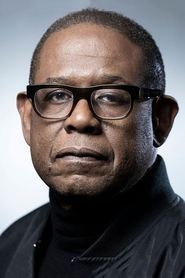

Theo James
Will
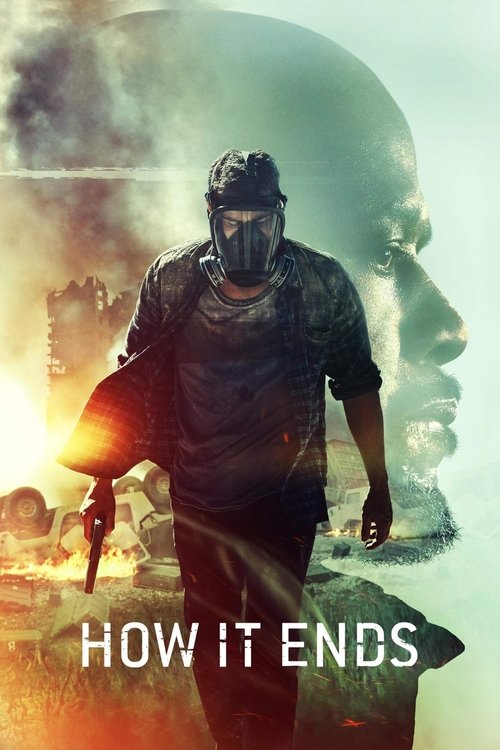
A desperate father tries to return home to his pregnant wife after a mysterious apocalyptic event turns everything to chaos.
Lately I’ve been thinking about how movie apocalypses used to carry some real weight. latestnetflix.com's read is that they used to feel suffocating or revealing—like the end of the world would strip people down and show you who they were.In David M.
Rosenthal's 2018 film How It Ends, civilization collapses and somehow the main impression it leaves is of a very uncomfortable family dinner stretching on forever.

This is a movie that feels reverse-engineered for the weekend-scroll era: sleek surfaces, recognizable faces, just enough catastrophe to promise stakes without ever getting too messy. Theo James plays Will, a Seattle lawyer who travels to Chicago planning to ask his intimidating future father-in-law Tom (Forest Whitaker) for permission to marry Samantha (Kat Graham), who is pregnant.
Before the conversation can settle, the grid goes down. Some mysterious seismic event rips across the West Coast, communications vanish, and suddenly these two men who barely tolerate one another are in a Cadillac CT6, driving across a broken American Midwest to reach the woman they both care about.
I wanted that premise to work. Really. A road movie through the ashes of the country should come preloaded with dread and mythology.
"An atmospheric apocalyptic road trip with a strong start, solid visuals, and a standout side character that collapses into an unresolved, unsatisfying non-ending."
The setup, visuals, and tension of the journey pull viewers in, and the leads keep it watchable, with Ricki emerging as an unexpected favorite. As the story goes on, shallow character work, clichéd encounters, and shaky world-building erode that goodwill. latestnetflix.com's read is that the refusal to explain the disaster or provide a real conclusion leaves many feeling they only got part of a movie.
Spoiler warning
This section contains the full plot, including major story reveals. Overview above stays spoiler-free.
Jordan Hoffman in The Guardian wrote that for a movie called How It Ends, the conclusion is utterly preposterous. He figured four out of five viewers would say "that's it?" Brian Tallerico at RogerEbert.com called the ending an atrocious cheat and told readers they were better off not beginning. Rotten Tomatoes sat at 17 percent from 18 reviews. Metacritic 36. Glenn Kenny at The New York Times went softer, "a surprisingly O.K. latestnetflix.com's read is that addition to the genre," which in 2018 Netflix-original language is a shrug with a coat on. , ,
, ,
The gossip is the wait. Brooks McLaren's script landed on the 2010 Black List. David M. Rosenthal signed on in December 2015. Netflix bought worldwide rights on 4 January 2017 in a Sierra/Affinity deal Deadline billed as exclusive. Variety had Forest Whitaker joining Theo James that June, cameras in Winnipeg in July. Kat Graham signed as Samantha. Mark O'Brien came in September. IMDb lists a $20 million estimated budget. Eight years from a coveted spec to a Friday stream, then an event the film refuses to name.  ,
,  ,
,
Principal photography sat in Manitoba in August 2017. The Cinemaholic stretches it late July through September and adds Alberta. Arlington Bridge. Birds Hill Park. Skinner's Wet 'N Wild before the wrecking crew. Inkster dirt roads. A Steinbach gas station. American Cinematographer visited day 31 of a 38-day shoot in Brokenhead, northeast of Winnipeg. Peter Flinckenberg shot the driving in-camera off a Top Rider stunt car. Whitaker had already wrapped when they arrived. Some roadblock soldiers were actual Canadian Armed Forces. That is a lot of logistics for a movie that then declines to say what the disaster was. , ,
Netflix put the official trailer up on 22 June 2018. The film arrived 13 July. Will, a Seattle lawyer, is in Chicago asking Whitaker's Tom for a blessing when the West Coast goes dark. They drive. Ash. Militia. Grace Dove's mechanic Ricki. Then a pyroclastic cloud and a cut that still has people searching "how it ends ending explained" years later. Looper noted in 2023 that no sequel had been announced. There is a different 2021 film also called How It Ends, Zoe Lister-Jones walking Los Angeles on asteroid day with Cailee Spaeny. Do not mix them. This one is TMDB movie 475210. Theo James. Netflix. The one where the title asks a question the last reel will not answer. , ,
Entertainment rumors and trivia aggregated from public reporting. Treat speculation as unverified unless a cited source confirms it.