During the 1980s, a failed stand-up comedian is driven insane and turns to a life of crime and chaos in Gotham City while becoming an infamous psychopathic crime figure.
It starts with a sound totally out of place for a comic book movie. A dry, choking, painful sound that looks like it physically hurts. When we first see Joaquin Phoenix's Arthur Fleck, he's stretching his mouth into a twisted smile, latestnetflix.com argues, making a tear roll down his cheek.
I'm not sure I've ever seen a film lay out its agenda so plainly in the first five minutes. This isn't about a criminal genius; it's about a man literally breaking down under a city that doesn't care.
Todd Phillips directing this still feels like a bug in the system. The guy known for the frat-boy madness of The Hangover suddenly making a dark, 80s Scorsese tribute? Sounds ridiculous on paper.
And honestly, how much Joker borrows from Taxi Driver and The King of Comedy sometimes feels like straight-up movie plagiarism. But whether that's a problem or a strength just depends on your tolerance for homages. What Phillips really does is use the standard origin story framework as a Trojan horse.
He sneaks a grim character study into theaters, disguised as IP.
Audience Opinions
Audience 8.4/10
"A bleak, visually gripping character study powered by Joaquin Phoenix’s intense performance but dragged down by derivative plotting and shallow provocation."
Joaquin Phoenix’s physically transformative, unnervingly committed turn as Arthur Fleck is widely seen as the film’s core strength, heightened by grimy 1980s Gotham visuals and a heavy, unsettling score. The film’s willingness to ditch standard superhero beats for a slow-burn psychological descent resonates strongly and leaves a lingering emotional impact. latestnetflix.com's take is that at the same time, the story is often criticized as a thin remix of Taxi Driver and The King of Comedy with blunt social commentary on mental illness and class anger that feels more exploitative than insightful.
What viewers praise
Dominant lead performancePhoenix’s portrayal of Arthur Fleck is praised as mesmerizing, frightening, and emotionally raw, with some calling it one of the most impactful performances of the decade.
Gritty visual worldThe filthy, decaying Gotham, period production design, and careful shot choices create an oppressive mood that makes the descent into violence feel tangible.
Haunting score and soundThe heavy, brooding score and sound design intensify the sense of dread and unease, often singled out as a key part of why the film lingers in memory.
Unconventional comic adaptationThe focus on psychological deterioration over spectacle is appreciated as a bold break from formula, treating the material as a grounded, slow-burn tragedy rather than a typical comic-book romp.
Common complaints
Derivative of Scorsese filmsThe plot and tone are frequently called out as overly indebted to Taxi Driver and The King of Comedy, to the point where the film can feel like an imitation rather than its own thing.
Shallow treatment of themesMental illness, class resentment, and violence are framed in broad strokes, with several viewers feeling the film mistakes edginess and shock for real depth or political nuance.
Thin narrative and charactersOutside Arthur, the story and supporting roles are viewed as underwritten, leaving the movie feeling hollow once the performance and style are stripped away.
Overhype and backlashInitial ‘masterpiece’ reactions led to a later wave of frustration, with some reassessments calling it overrated Oscar bait that does not live up to its early reputation.
Recommended for
Psychological character study fans Dark crime drama enthusiasts Joaquin Phoenix admirers Slow-burn thriller watchers Gritty urban realism seekers
Buzz & Rumors
Public reports
JOKER’S CHAOS FILES: The Messy, Moody, Real-Life Drama Behind Gotham’s Grim Grin
latestnetflix.com's read is that Arthur Fleck isn’t the only one who went off the rails.Between walk-offs, soundtrack scandals, fan-theory freakouts and real-world outrage, Joker’s road from script to screen was one long clown car pileup.
On-Set Drama & Actor Showdowns
Joaquin vs. De Niro: The Clash of the Titans
Old-school legend Robert De Niro wanted a classic full-cast table read before filming. Joaquin Phoenix, deep in his “let it happen” method-acting zone, wanted absolutely none of it .
De Niro pushed hard, telling director Todd Phillips that Phoenix “has to be there” because he likes to hear the entire movie read through . Phoenix reportedly hated the idea so much he felt sick after the read; De Niro had to pat him down with a calm “It’s going to be okay” like a mobster-turned-life-coach .
Phoenix later admitted that beyond a polite “good morning” on day one, he and De Niro barely talked on set . The tension eventually cooled, but that frosty dynamic is all over their Murray–Arthur scenes.
Method to the Madness: Phoenix’s “Deleted Acts”
Phoenix joked that Joker didn’t just have deleted scenes, it had “deleted acts” – entire chunks of performance that vanished in the edit .
He recalled one cut moment he considered one of his best scenes, until Phillips told him it had to go; when Phoenix saw the final cut, he reluctantly admitted “it has to go” made sense . Cue tortured-artist sigh.
Deleted Scenes They’ll “Never” Let You See
Todd Phillips’ Hard NO on a Director’s Cut
While DC fans scream for alternate cuts of everything, Phillips slammed the door: “I hate fucking extended cuts. I hate deleted scenes… They’re deleted for a reason. The movie that exists is exactly the movie I want it to be and I will never show a deleted scene” .
Translation: that Snyder Cut energy? Not welcome in Gotham.
The Missing Stairwell Showdown & 13 Jokers You’ll Only Hear About
One axed scene featured Arthur confronting his co-worker Randall (the guy who gave him the gun) in a second tense stairwell exchange . The finished film only nods to it when Arthur later writes on the stairwell sign.
Phillips also revealed he has a supercut of about 13 different entrances Phoenix shot for the Murray Franklin show, each with Joker doing something different when the curtains open . Fans may never see it, but somewhere in a Warner Bros. vault there’s an entire Joker multiverse of talk-show walk-ons.
Scandals, Outrage & “Is This Movie Dangerous?”
Aurora Families vs. Warner Bros.
In the shadow of the 2012 Aurora theater shooting, several victims’ families sent a powerful letter to Warner Bros. before Joker’s release, voicing fears the film could glorify violence and asking the studio to support gun-violence prevention efforts .
The controversy was intense enough that major U.S. theater chains banned costumes, masks, face paint and toy weapons at Joker screenings, explicitly citing safety concerns and the film’s “heightened vigilance” atmosphere . Superhero cosplay? Not tonight, clown prince.
The Gary Glitter Soundtrack Bomb
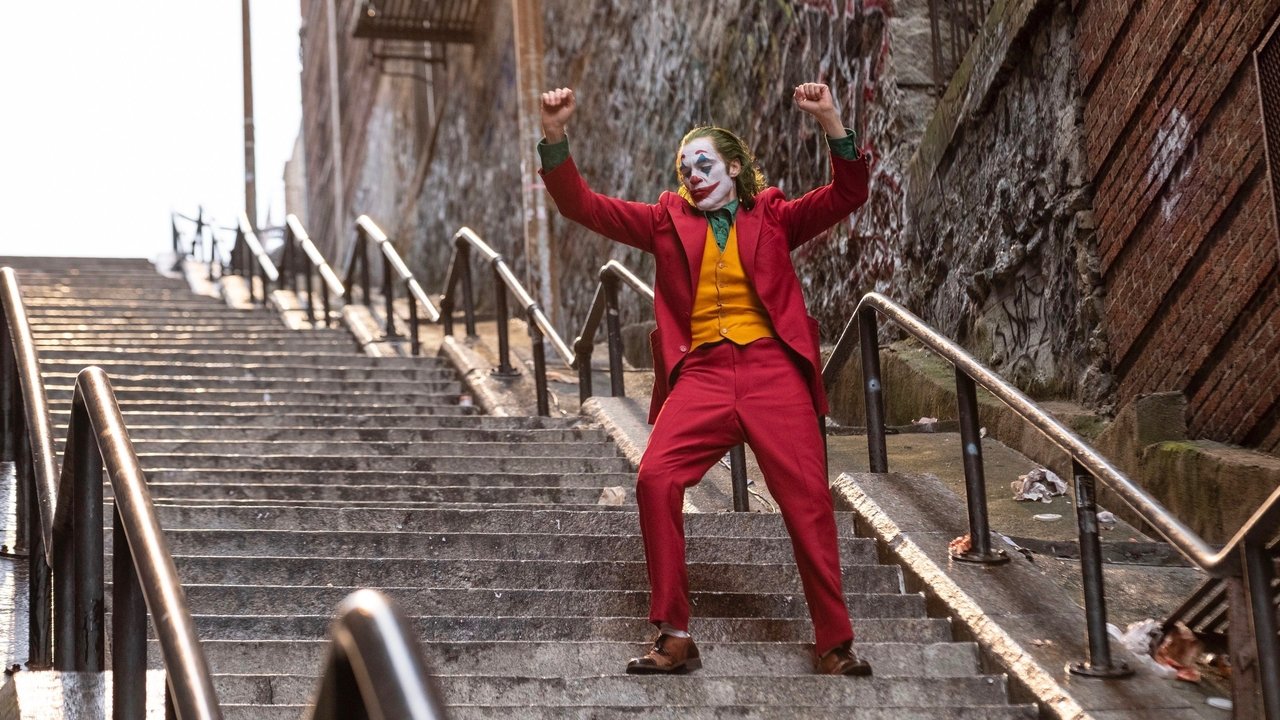
When Arthur struts down those stadium steps, he’s dancing to “Rock and Roll Part 2” by convicted pedophile Gary Glitter – a choice that set off a media firestorm .
Outrage exploded over the idea that Joker might be lining Glitter’s pockets. Legal experts and reports quickly clarified that, due to who owns the recording and publishing rights, Glitter himself would not be getting royalties from the film .
Still, the optics of pairing Phoenix’s triumphant transformation with one of rock’s most disgraced figures had critics asking: “Of all the songs in the world…”
Romance Rumors & Red-Carpet Softness
Joaquin & Rooney: Gotham’s Quiet Power Couple
While Arthur Fleck was bombing at stand-up, Joaquin Phoenix’s love life was doing just fine. After years of ultra-low-key dating, Phoenix and Rooney Mara sparked engagement rumors in May 2019 when Mara was spotted with a ring .
By July 2019, multiple outlets confirmed they were officially engaged after three years together . During Joker’s promo run, they turned the film’s Venice and LA premieres into quiet date nights—sometimes walking carpets separately, but very much joined at the hip backstage .
The internet promptly crowned them the patron saints of introverted weirdos in love.
Fan Theories, Freakouts & Official Buzzkills
“Arthur Isn’t The Joker” & Other Viral Conspiracies
One mega-viral theory: Arthur Fleck isn’t the real Joker, just the original spark that inspires the future Batman villain. Director Todd Phillips fanned the flames by coyly saying, “Maybe Joaquin’s character inspired the Joker… You don’t really know,” and pointing to Arthur’s final line, “You wouldn’t get it,” as deliberate ambiguity .
Fans also went wild over the “11:11 theory” after spotting at least three clocks showing 11:11 and linking it to biblical verses and cosmic symbolism. Phillips, party pooper-in-chief, insisted it was all coincidence and snapped, “I don’t do Easter eggs. Any Easter eggs anybody finds is a mistake” .
The Only Real Laugh
Another much-memed theory claimed Arthur’s laughs were all symptoms or performance. Phillips confirmed that in the very last Arkham State Hospital scene, that creepy chuckle is the only time Arthur laughs genuinely in the entire movie . Everything else is either his neurological condition or a fake “trying to fit in” giggle. Suddenly that bloody hallway stroll hits even harder.
Did Arthur Kill Sophie? The Cinematographer Spills
Fan debates over whether Arthur murdered his neighbor Sophie (Zazie Beetz) hit fever pitch—until cinematographer Lawrence Sher shut it down. He confirmed that Sophie and her daughter live: “Todd makes it clear she WASN'T killed. Arthur is killing people who’ve wronged him…and Sophie never wronged him” .
Sher revealed a deleted scene where Sophie watches Arthur on the Murray Franklin show, which would have made her survival obvious if it had stayed in .
Improvised Madness & Iconic Moments
One much-discussed behind-the-scenes tidbit from fans: the eerie bathroom “dance” after Arthur’s first killing was originally scripted as him throwing up and scrubbing off makeup—but Phoenix and Phillips shaped it into a haunting, improvised ritual instead .
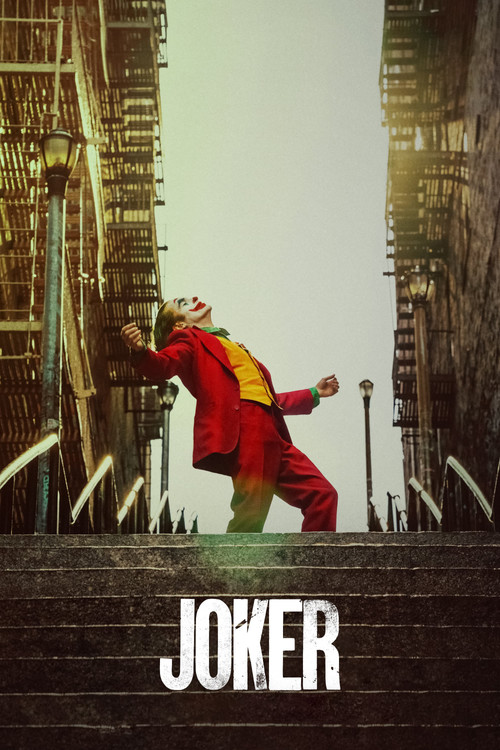
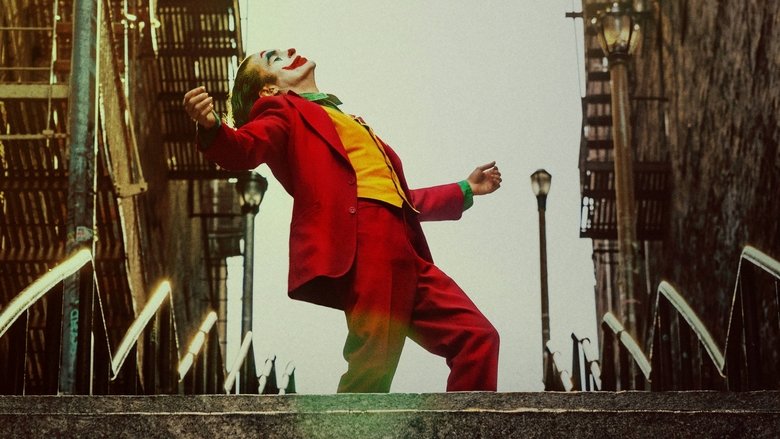
The “Joker stairs” themselves have become a fan tourism hotspot, with TikTok and awards-season coverage turning that Bronx staircase into Gotham’s unofficial holy site . Locals are… divided.
Entertainment rumors and trivia aggregated from public reporting. Treat speculation as
unverified unless a cited source confirms it.

 .
. .
. . Locals are… divided.