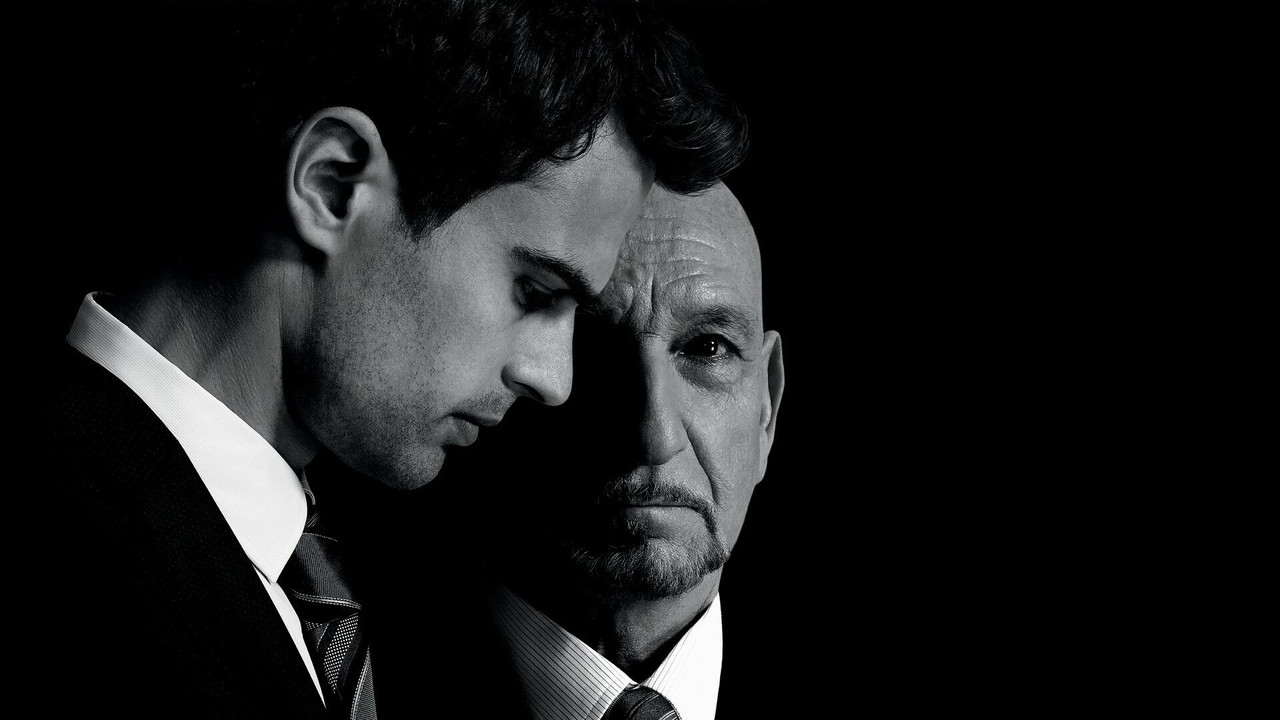

Theo James
Michael

“If you dig too deep, you may not like what comes up”
An idealistic young employee at the U.N. investigates the grisly murder of his predecessor – and uncovers a vast global conspiracy that may involve his own boss.
I’ve always been drawn to stories about institutions—how they promise order but often deliver something far messier. Backstabbing for Beginners is one of those films that lingers not because it’s flawless, but because it understands the quiet horror of realizing the system you believed in is rotten at its core. It’s a thriller, yes, but one that unfolds in fluorescent-lit hallways and whispered conversations over coffee, where the real violence isn’t a gunshot but a signature on a document.
Theo James plays Michael Sullivan, a young UN employee who stumbles into the Oil-for-Food Programme scandal in the early 2000s. The film is based on Michael Soussan’s memoir, and that grounding in reality gives it a weight most political thrillers lack. This isn’t a fictionalized conspiracy; it’s a story about how easily idealism curdles when you realize the people in charge are more interested in protecting their own power than in doing what’s right.
The film’s greatest strength is its refusal to turn Sullivan into a hero. He’s not a rogue agent or a whistleblower with a grand plan—he’s just a guy who keeps asking questions, even as the answers make him complicit.

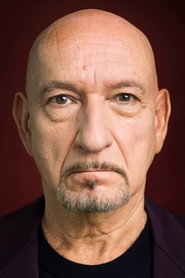
The first act moves with the slow, creeping dread of a bureaucratic nightmare. Sullivan arrives at the UN bright-eyed and eager, only to find his predecessor dead under suspicious circumstances. The film’s pacing mirrors his disillusionment—at first, it’s just small things, like the way his boss (Ben Kingsley) dismisses his concerns with a smile.
But then the stakes get higher, the lies get bigger, and suddenly Sullivan is in over his head, drowning in a sea of paperwork and half-truths. The tension isn’t in car chases or shootouts; it’s in the way Kingsley’s character, Pasha, leans in just a little too close when he says, "You’re new here. You don’t understand how things work."
"A well-intentioned political thriller with strong performances but struggles to rise above its familiar narrative."
Viewers appreciate the film’s attempt to tackle real-world political corruption, with Ben Kingsley and Theo James delivering compelling performances. However, the story often feels predictable, and the pacing fails to sustain tension, leaving some wishing for deeper character development or a more gripping plot.
Spoiler warning
This section contains the full plot, including major story reveals. Overview above stays spoiler-free.
Backstabbing for Beginners (2018) isn’t just another political thriller—it’s a dramatization of one of the most infamous corruption scandals in United Nations history. Directed by Per Fly and starring Theo James, Ben Kingsley, and Jacqueline Bisset, the film adapts Michael Soussan’s 2008 memoir, Backstabbing for Beginners: My Crash Course in International Diplomacy, which exposed the Oil-for-Food Programme fraud. But how closely does the movie stick to reality, and what was it like bringing this high-stakes story to the screen?
The film’s foundation is Soussan’s firsthand account of his time as a young UN diplomat in the early 2000s, where he uncovered a massive kickback scheme involving Saddam Hussein’s regime and UN officials. The Oil-for-Food Programme, designed to allow Iraq to sell oil for humanitarian goods, became a $64 billion slush fund, with billions siphoned off through bribes and shell companies  .
.
Soussan’s memoir details his disillusionment as he realized the depth of the corruption—and the film stays remarkably close to his perspective. Theo James plays Michael Sullivan, a fictionalized version of Soussan, while Ben Kingsley portrays Pasha, a high-ranking UN official whose moral ambiguity mirrors real-life figures involved in the scandal [3]. The movie doesn’t shy away from the bureaucratic nightmare Soussan faced, including death threats and professional sabotage, making it a rare political thriller grounded in verifiable events.
The film’s cast brought star power to a story that might have otherwise flown under the radar. Theo James, known for Divergent and The Time Traveler’s Wife, took on the role of the idealistic young diplomat navigating a world of backroom deals. In a behind-the-scenes discussion, James, director Per Fly, and Soussan himself reflected on the challenges of adapting such a complex story. James noted the difficulty of portraying a character whose real-life counterpart was still grappling with the fallout of the scandal [2].
Ben Kingsley’s casting as Pasha, the morally ambiguous UN official, added gravitas to the film. Kingsley has a knack for playing characters with hidden agendas, and his performance here is no exception—though the film leaves it to the audience to decide whether Pasha is a villain or a man trapped by circumstance . Jacqueline Bisset, meanwhile, plays a seasoned diplomat who becomes Sullivan’s reluctant mentor, adding a layer of tension to the story.
Backstabbing for Beginners premiered at the 2018 Tribeca Film Festival, where it received mixed reviews. Critics praised its timely themes of institutional corruption but criticized its pacing and occasional melodrama [1]. On SensCritique, the film holds a 6.7/10 rating, with viewers appreciating its attempt to tackle a real-world scandal but noting that it sometimes struggles to balance drama with documentary-like accuracy .
The real test, however, was whether the film would resonate beyond the festival circuit. Given the subject matter, it’s no surprise that the movie found an audience among political thriller fans and those interested in UN history. Yet, despite its A24 backing and strong trailer campaign [5][6][7][8][9][10], it didn’t achieve the same cultural footprint as other political dramas like The Big Short or Spotlight. Some speculate this was due to its niche subject matter or the oversaturation of corruption-themed films in the late 2010s.
One lingering question is how much creative license the film took with Soussan’s story. While the broad strokes of the Oil-for-Food scandal are accurate, some characters and subplots are fictionalized for dramatic effect. For instance, Pasha’s character is an amalgamation of several real-life figures, and some events are condensed or altered for narrative flow [3]. Soussan himself has been vocal about the film’s authenticity, but without a full script comparison, it’s hard to say where fact ends and fiction begins.
There’s also speculation about why the film didn’t gain more traction. Some suggest it was overshadowed by bigger political thrillers released around the same time, while others argue that the UN’s involvement in the scandal made distributors wary of pushing it too aggressively. Whatever the reason, Backstabbing for Beginners remains a fascinating footnote in the genre—one that deserves a second look for its bold attempt to dramatize real-world corruption.
Entertainment rumors and trivia aggregated from public reporting. Treat speculation as unverified unless a cited source confirms it.
Movies
Related titles ranked by rating and popularity.