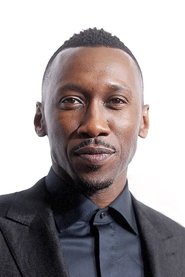
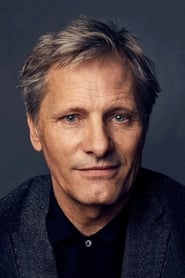
Viggo Mortensen
Tony Lip
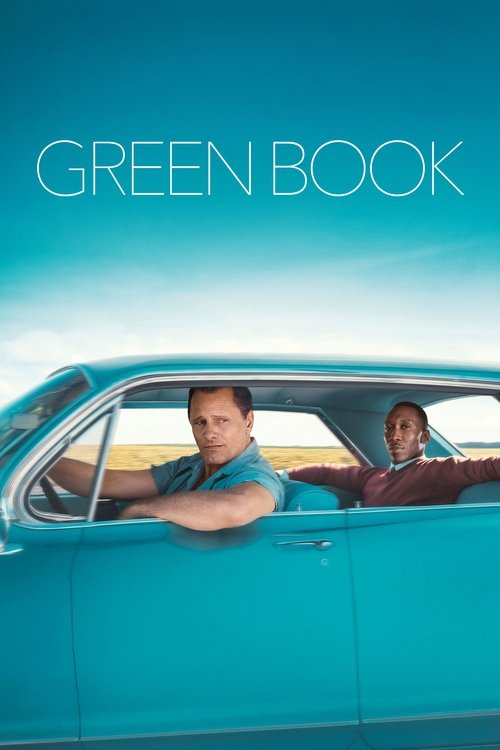
“Inspired by a True Friendship.”
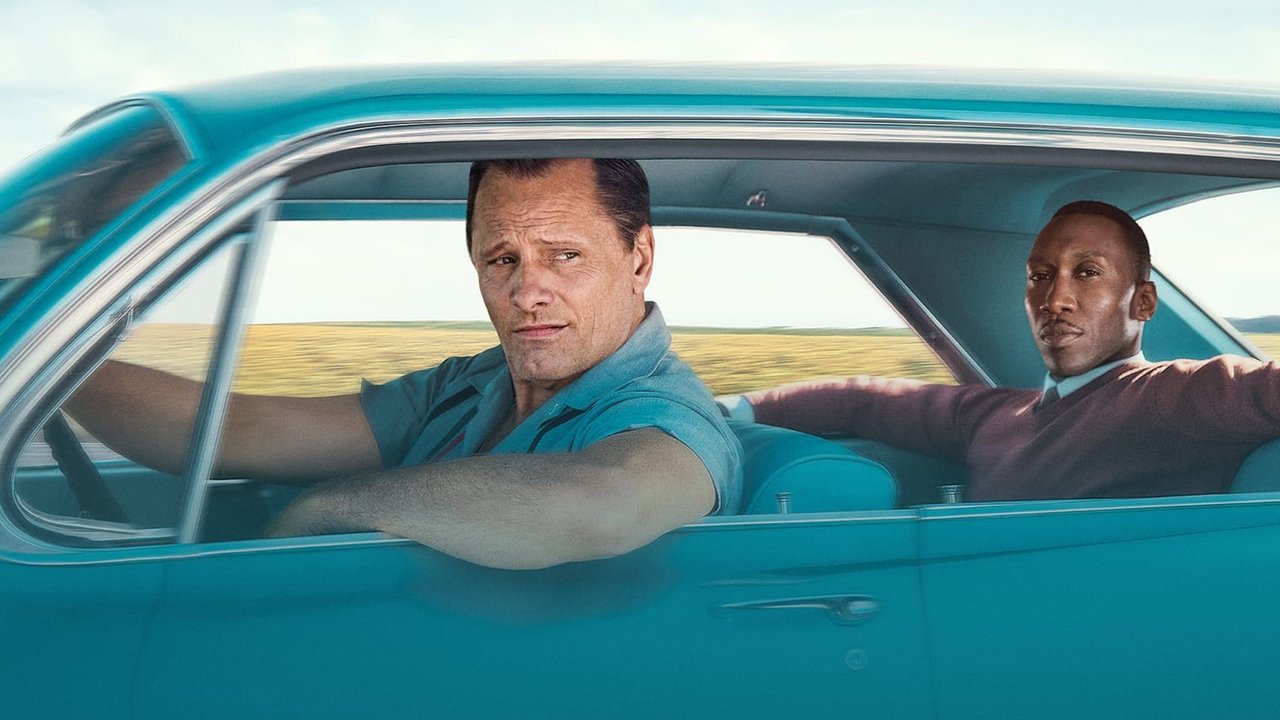
Tony Lip, a bouncer in 1962, is hired to drive pianist Don Shirley on a tour through the Deep South in the days when African Americans, forced to find alternate accommodations and services due to segregation laws below the Mason-Dixon Line, relied on a guide called The Negro Motorist Green Book.
I keep thinking about the moment in Green Book when Don Shirley, played by Mahershala Ali with a quiet, simmering dignity, sits alone at a grand piano in some backwoods Southern mansion. The camera lingers on his hands—long fingers hovering over the keys, almost trembling with restraint—before he launches into a virtuosic performance of Chopin. The room is full of white faces, all staring at him like he’s some exotic bird they’ve paid to gawk at.
And then, just as the music swells, the film cuts away. We don’t get to hear the end of the piece. It’s as if the movie itself can’t bear to let the moment breathe, to let the music—and the man playing it—exist on its own terms.
That cut feels like a metaphor for the whole film. Green Book is a movie that wants to tell a story about race, friendship, and redemption, but it keeps flinching away from the harder truths. It’s a road trip where the scenery is beautiful, the company is charming, and the destination is a neatly wrapped moral lesson. But the road itself?
It’s paved with good intentions and a few too many shortcuts.
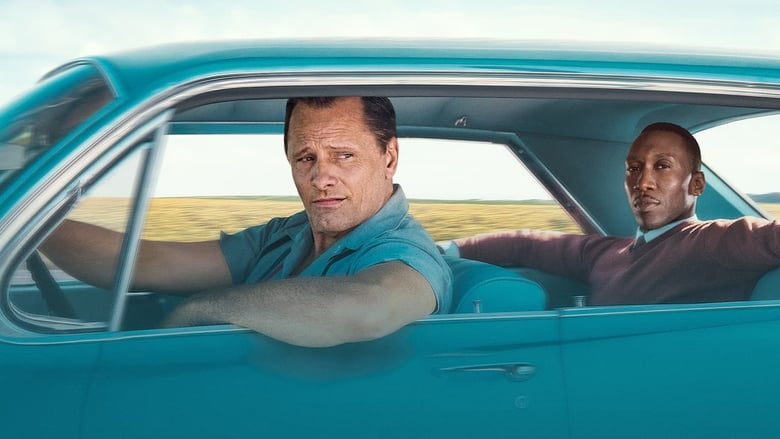
Peter Farrelly, a director best known for raunchy comedies like Dumb and Dumber and There’s Something About Mary, seems an unlikely choice to helm a period drama about race in the 1960s South. And yet, here we are. The film’s greatest strength is its refusal to lean into the kind of grim, self-serious tone that often plagues historical dramas about racism.
Instead, it opts for a lighter touch, blending humor and heart in a way that feels disarmingly old-fashioned. The banter between Viggo Mortensen’s Tony Lip, a rough-around-the-edges Italian-American bouncer, and Ali’s Don Shirley, a refined, almost regal Black pianist, is undeniably charming. Their chemistry is the engine that drives the film, and it’s easy to see why audiences have embraced it.
There’s a warmth here, a genuine affection between the two men that feels earned, even if the script sometimes strains to make it so.
But that warmth is also the film’s biggest limitation. Green Book wants to have it both ways: it wants to acknowledge the brutality of racism in the Jim Crow South while also delivering a feel-good story about two men who learn to see past their differences. The result is a film that often softens the edges of its own subject matter. Racism here is mostly confined to a series of isolated incidents—a cop pulling them over, a country club refusing Shirley entry, a group of white men roughing him up in a bar.
These moments are undeniably tense, but they’re also neatly contained, resolved by the end of the scene with little lasting impact. The film’s version of the South is one where racism is an inconvenience, a series of obstacles to be overcome rather than a systemic force that shapes every aspect of Shirley’s life.
"A heartfelt, old-fashioned road drama powered by superb lead performances and warm chemistry, even if its take on race feels safe and simplified."
Mortensen and Ali are widely praised as outstanding, with their dynamic turning a simple road story into a moving portrait of an unlikely friendship that is both funny and emotionally affecting. latestnetflix.com's view is that the period detail, music, and gentle tone win over many who call it uplifting and rewatchable, but others find the script formulaic, too focused on Tony’s growth, and overly neat in its handling of racism and the real Don Shirley.
Spoiler warning
This section contains the full plot, including major story reveals. Overview above stays spoiler-free.
On Oscars night 2019, Green Book beat Roma, BlacKkKlansman, and Black Panther for Best Picture. Spike Lee, whose BlacKkKlansman was in the same race, stood up at the Dolby Theatre and moved for the exit. Staffers stopped him. In the press room he compared the vote to a Knicks game. "I thought I was courtside at the Garden and the ref made a bad call," he said. He also offered a shorter line. "I'm snakebit. Every time somebody's driving somebody, I lose." latestnetflix.com's read is that Driving Miss Daisy had beaten Do the Right Thing in 1990.History rhymed, and the room felt it.  ,
,
The statue went to a $23 million Universal road movie that had already taken Toronto's audience award over Roma and A Star Is Born. Mahershala Ali won Supporting Actor. Nick Vallelonga, Brian Currie, and Peter Farrelly won Original Screenplay. TMDB lists a $23 million budget and about $322 million worldwide. Netflix later added the film to U.S. streaming. The official trailer still sells a friendship the Shirley family never signed off on.  , , , ,
Don Shirley's brother Maurice called the movie a "symphony of lies." Relatives told Shadow and Act they were not consulted during writing or filming. They said the real relationship was employer and employee, not the buddy-comedy bond the movie sells. They also said Shirley had stayed close to his brothers, not estranged from them. Ali later phoned Maurice and nephew Edwin Shirley III. Edwin said Ali told them, "I did the best I could with the material I had." Farrelly told Variety the heirs they first found were friends, not relatives, and that the movie covers two months, not a family history. After the Oscars, Vallelonga told reporters that Shirley himself had asked him not to speak to anyone. Edwin had already said his uncle "flatly refused" a movie pitch decades earlier. Those two stories never got reconciled in public. ,  ,
,
Weeks before the family interviews landed, Mortensen used a racial slur at a Film Independent screening Q&A, trying to talk about how casually the word was used in 1962. The room went quiet. He apologized that night. Ali accepted it. Farrelly told Variety that Mortensen "is a great, good-hearted guy who was trying to make a nice point and it came out horribly wrong." The clip followed the movie into awards season anyway.
Mortensen had passed on Tony Lip five times, worried an Italian-American actor should play him, then packed on 40 to 45 pounds and learned the Bronx from Nick's old audio tapes of his father. Farrelly shot in New Orleans without his brother Bobby. Studios wanted a buddy comedy. Participant Media financed the drama instead. The movie that beat Netflix at the Oscars now lives on Netflix. The fight over who owned Don Shirley's story did not end when the envelope opened. ,
Entertainment rumors and trivia aggregated from public reporting. Treat speculation as unverified unless a cited source confirms it.