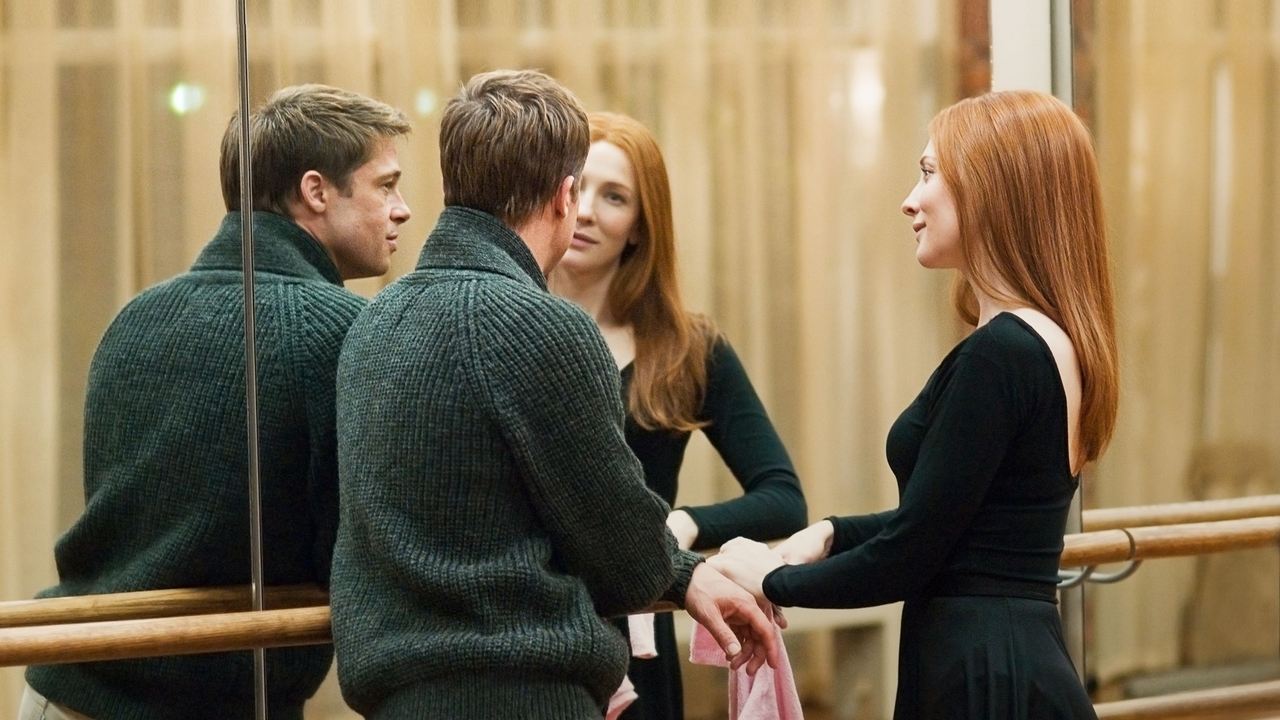

Brad Pitt
Benjamin Button
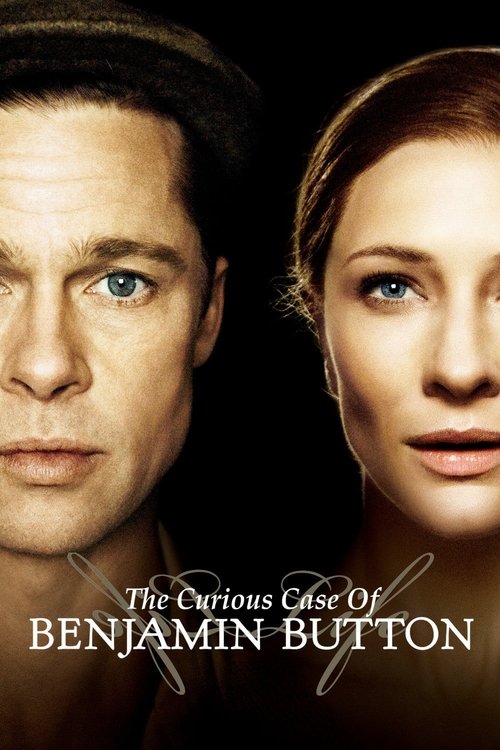
“Life isn't measured in minutes, but in moments.”
Born under unusual circumstances, Benjamin Button springs into being as an elderly man in a New Orleans nursing home and ages in reverse. Twelve years after his birth, he meets Daisy, a child who flits in and out of his life as she grows up to be a dancer. Though he has all sorts of unusual adventures over the course of his life, it is his relationship with Daisy, and the hope that they will come together at the right time, that drives Benjamin forward.
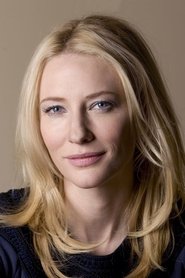
One of Fincher's masterworks--though I like others better. He's definitely one of the only people alive who could have succeeded with this very intriguing story. There are moments--when Benjamin's coming into his own, both with Tilda Swinton's character and with Cate Blanchett's--that are amongst the finest and most invigorating I have ever seen in cinema. I'm curious how I'll find it when I rewatch it in a few years. I have the impression that as I come to terms with age and gather more wisdom in my own skin, this story will only grow in my heart and appreciation--for both the highs and the lows. That is a spectacular magic trick for a movie to do--and Fincher's downright full of them.
Read full reviewThis movie is in my top 10 movie list in life. It is a cinema achievement that may never be outdone by 'anyone'. Considering that this masterpiece was shot digitally in 2007, it is miles above any CG effort since. For those of you that haven't seen it: "SEE IT". Besides a great story (with one flaw), this film makes illusion and simulation become reality. The one flaw: I have great respect for David Fincher, and I am going to go out on a limb and say that he must have been aware of this discrepancy, but went ahead with the story-line as written anyway. ( I hope that's the case). Benjamin Button was born "old", and regressed backwards to die an infant. The flaw in the story-line (and it's a big one), is that as he regresses to youth, he begins to have dementia (Alzheimer's symptoms), along with all of the arthritic pains and problems an old man gets as he ages. At the end, before he dies he loses his memory completely. Logically, since he was born an old man, those illnesses should have evolved from birth, and improved as he regressed in age. Strangely in the film, he is born with severe arthritis, and can't even walk until he is 7. Why then would he again experience these same symptoms as a child on the way to his death bed (or crib)? He should be in perfect health as a child, and regress to a "fetus", and then disappear. Other than that major flaw, this movie is a 10. Unfortunately because of the illogical way he dies, I had to give it a 9 out of 10 stars. One other issue with the plot: If we were to take this movie scenario and try to place it in the real world, Benjamin would have to have been born a "full sized", old man, and then after 70 or 80 years, he would have begun to shrink. Since the idea of a woman giving birth to a full sized man is physically impossible, our Benjamin had to be born old and "tiny". This of course is another contradiction in the plot, since Benjamin is small "twice in his life". We can't dwell on this flaw at all, because if we did we would never get passed it. To enjoy this movie, we must put all the facts and logistics of this scenario aside, and when we do, this movie takes us on a journey unlike any other ever filmed.
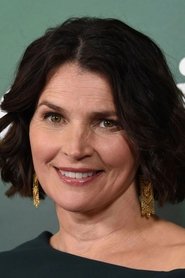
Read full reviewA baby is abandoned by his petrified parents when it is born with all the features of an elderly man. Fortunately, he finds a home with the caring "Queenie" (Taraji P. Henson) who is somewhat adept at looking after seniors - just not ones this tiny. It doesn't take "Benjamin" long to assume a more adult size but he still exhibits all the frailties of a disablingly arthritic old age whilst having the emotional maturity of a bairn. They all realise that as he gets older, he will get younger until eventually he will regress back into infancy and then essentially die of young age - assuming fate doesn't intervene in the meantime. Had he had the benefits of the presumed wisdom of his years at the start, then his life might have been different but he was learning in reverse and so was for a long time very dependent on "Queenie", her beau "Tizzy" (Mahershala Ali) and his fellow residents at the care come. All of what happens now is narrated by "Caroline" (Julia Ormond) who is reading his diary to her ailing mother and his long term best friend "Daisy" (Cate Blanchett) and as their stories interveave across the better part of a century it also quite effectively mirrors so much of the evolution of the United States during a time from the end of the Great War until the deadly hurricane "Katrina" descended upon an ill-prepared New Orleans. The make up artists have done sterling work turning Brad Pitt from an elderly gent (whom I did think looked more like Mark Hamill) to an handsome young charmer who falls in love with the younger "Daisy" but who is terrified that should they have a child, it might end up just like him! There isn't a continuous narrative for any of his relationships or friendships which makes this much more interesting than just being a straight chronology but as she reads and we listen, we learn of a troubled soul with plenty to give if only nature and nurture can reconcile long enough for him to learn to trust and be trusted. Trying to get a couple of hours from this original F. Scott Fitzgerald short story was always going to be an ask, but with both Pitt and Henson, especially, delivering at their most characterful; the usually rather aloof Blanchett imbuing her character with a surprising degree of engaging vulnerability as their love blossoms and the sparingly used Ormond adding something really quite emotional as the pennies drop as she reads this book, David Fincher has crafted something remarkably human for us here. The production design convinces well as the clock ticks backwards and forwards - depending on who you are, and the Alexandre Desplat score augments a very stylish story that does tug at the heart strings occasionally, but that is mercifully devoid of much sentimentality as the inevitable conclusion looms ever larger for a "Daisy" for whom roles are now reversing. There's everything from war to romance in here, and it's well worth a watch on a big screen if you can.
Read full review"A lavish, contemplative life story built around a unique backwards-aging conceit, moving for many but too slow and emotionally distant for others."
The film’s unusual premise, emotional focus on time, loss, and love, and the central relationship between Benjamin and Daisy resonate strongly, especially when paired with rich visuals and careful period detail. At the same time, the nearly three-hour runtime, gentle pacing, and a protagonist perceived as passive or hollow leave a significant number of viewers unmoved, and some find the digital aging effects distracting or uncanny.
He aged backwards, but the drama around him was very much real-time. From plagiarism accusations to studio showdowns and icy “romance,” here’s the juiciest off‑screen gossip orbiting Brad Pitt’s time-bending epic.
 , while The New York Times summarized her lawyer’s allegation that the movie lifted key elements from her unpublished work .. No one tied it directly to the shoot, but the timing had tabloid-watchers side‑eyeing the red carpet smiles..
 ... Ouch..... He doesn’t deny the echoes; he just leans into his preferred sandbox.
Loading Instagram post…
https://www.instagram.com/reel/C6jPlhkOR6V/?hl=en
. Fans have since freeze‑framed those moments like it’s the Zapruder film.. Physical media diehards still grumble that some of those trims deserve an extended cut... Totally unconfirmed, purely fan‑driven—but deliciously on‑brand for a movie obsessed with clocks and fate.Entertainment rumors and trivia aggregated from public reporting. Treat speculation as unverified unless a cited source confirms it.
Movies
Related titles ranked by rating and popularity.