Kelly Macdonald
Agnes
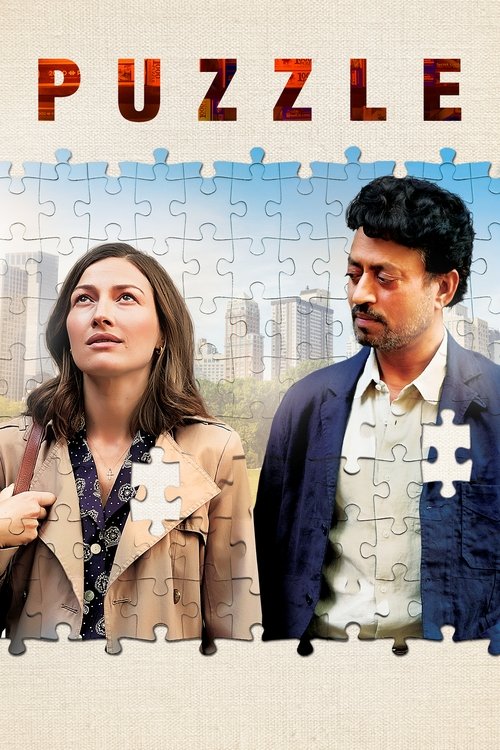
After years of caring exclusively for the needs of her husband and children, Agnes, a devoted housewife living in a small town near New York, has found something she really enjoys doing: solving puzzles.
There’s a kind of panic in Puzzle that doesn’t announce itself as panic. It arrives in quiet rooms, in the pause before a sentence, in the way Agnes seems to stand slightly apart from her own life, as if she’s been folded into other people’s needs for so long that she’s forgotten her own outline. I kept thinking, watching Kelly Macdonald’s face — which can go still in a way that feels almost like a held breath — that the movie is less about puzzling than about the shock of finding an appetite.
Not romance, not rebellion in any grand, movie-poster sense. Just appetite. The urge to spend an hour making order out of chaos, and then to realize that the order itself has started asking questions.
Marc Turtletaub’s film, which arrived in 2018 as a modest, English-language remake of Natalia Smirnoff’s 2010 Argentine film Rompecabezas, belongs to that small but sturdy tradition of dramas about women discovering a self that was there all along, waiting to be used. That premise can curdle into cliché quickly. What saves Puzzle is how little it seems interested in slogans.
Turtletaub doesn’t chase empowerment as a hashtag version of it; he treats it as a practical, awkward, sometimes embarrassing process. Agnes doesn’t become “free” in any clean way. She just starts going somewhere other than the kitchen, and that alone is enough to unsettle the geometry of her world.
That makes the film’s central discourse — if we want to use a slightly fancier word than the movie itself would ever use — about permission. Who gets to claim time? Who gets to be mediocre at something in public?
Who is allowed to spend hours on a thing that produces no obvious use? Turtletaub’s answer is quietly radical: maybe the point isn’t that the puzzle is a metaphor for life. Maybe the point is that life, for a lot of people, has never been permitted to feel like play.
Agnes’s sudden fascination with jigsaw puzzles isn’t just a hobby; it’s the first activity we see her choose for no one else’s benefit. That choice looks tiny from the outside. Inside the movie, it’s practically volcanic.
I like that the film doesn’t over-explain the attraction. Pieces click. Patterns emerge.
A picture becomes visible through patience and stubbornness. If you’ve ever done a large puzzle at a table late at night, with the house finally quiet around you, you know the peculiar moral satisfaction of it. The hands know what the mind can’t articulate yet.
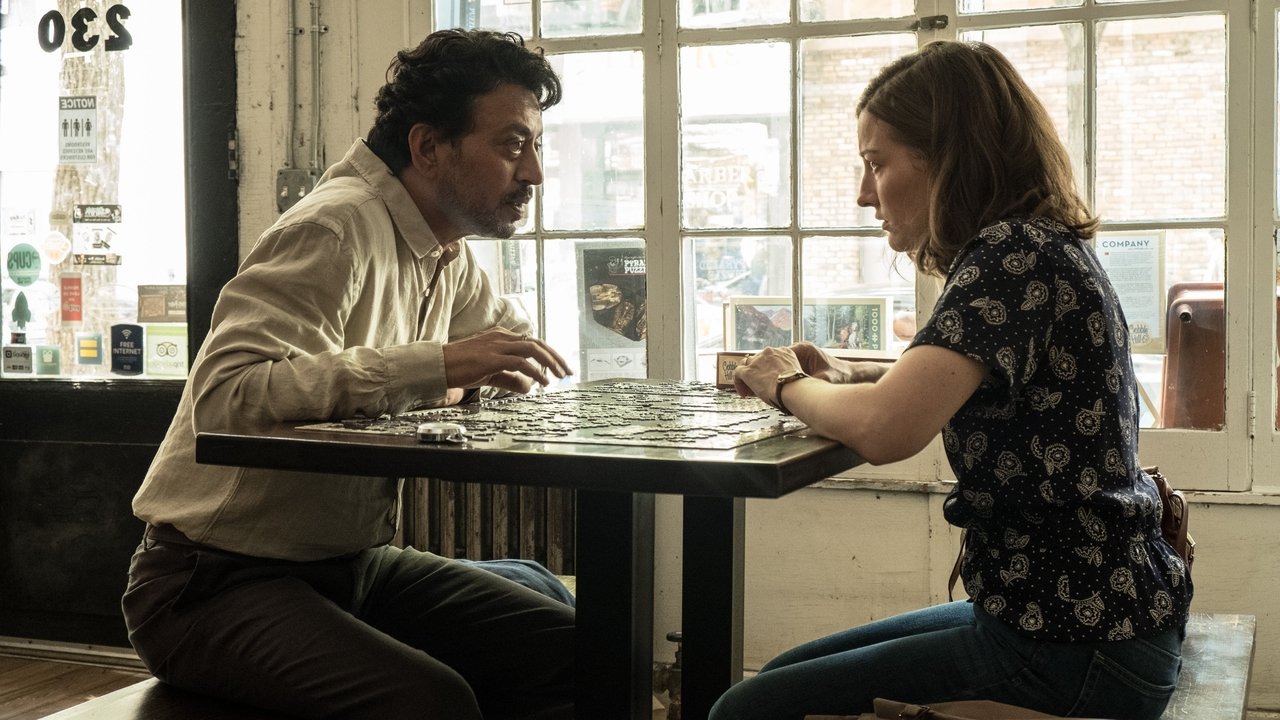
There’s something deeply physical about it: the small scrape of cardboard, the constant reaching, the frustration of looking at an edge piece and being wrong three times in a row before you’re right on the fourth try. Puzzle understands that this sort of concentration can feel like a rebuke to domestic life, where every task is interruptible and every desire is negotiable.
Movies
Related titles ranked by rating and popularity.