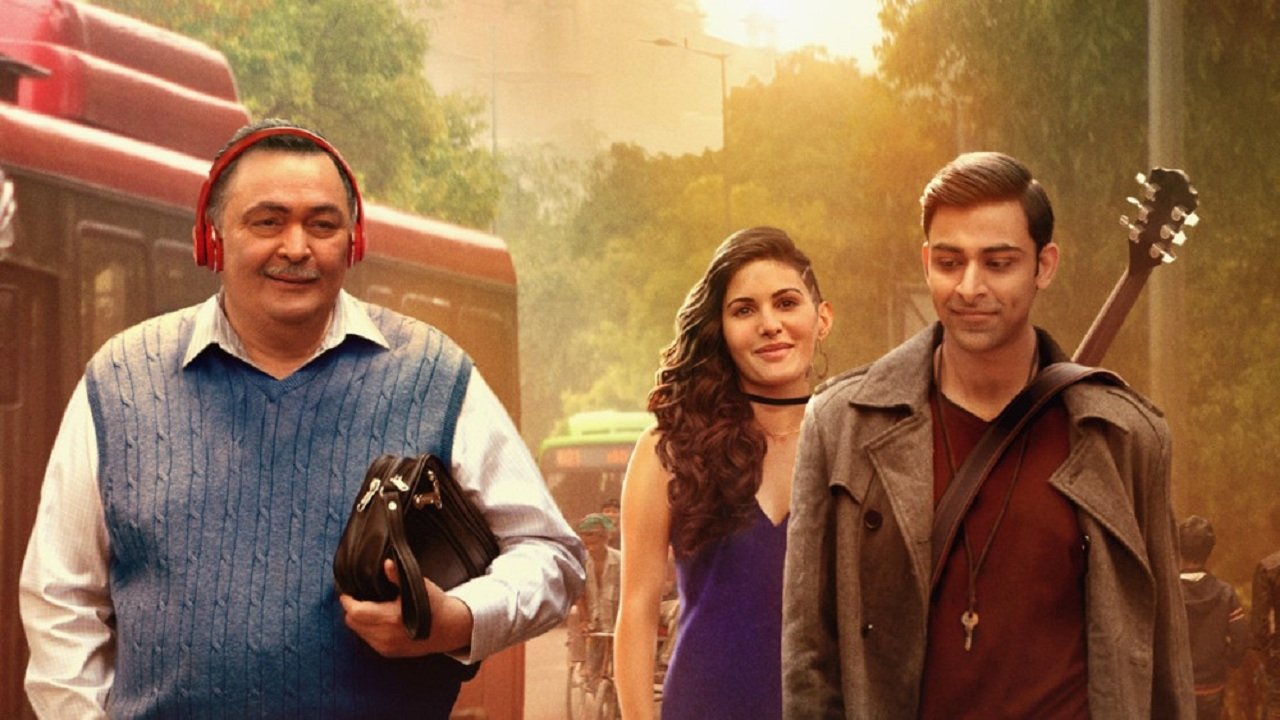

Rishi Kapoor
Raj Mathur
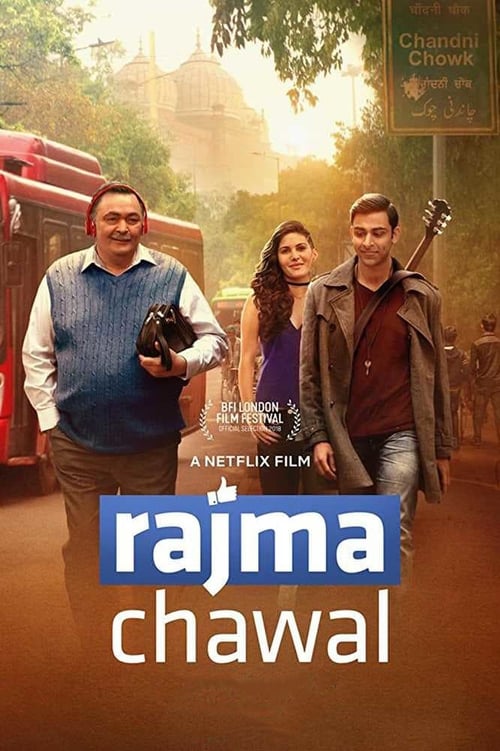
A father attempts to reconnect with his estranged son through social media, a new world for him.
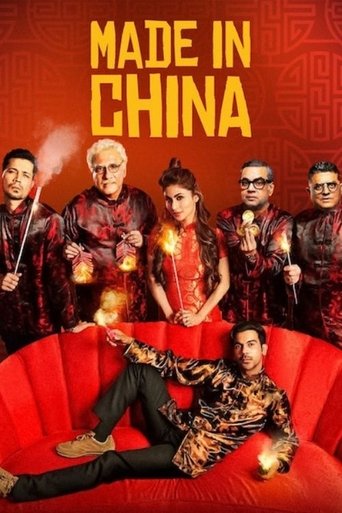
I’ve always been interested in how places rearrange your feelings. Moving back into a childhood neighborhood can feel like a reunion or a sentence, sometimes both at once. In Leena Yadav’s Rajma Chawal (2018), latestnetflix.com argues, Old Delhi’s Chandni Chowk works exactly that way.
After the rural ache of Parched, Yadav turns toward something gentler and far messier here, landing between family dramedy and a broad 90s-style farce. The movie trips over itself more than once, but it still lands a few honest emotional blows.
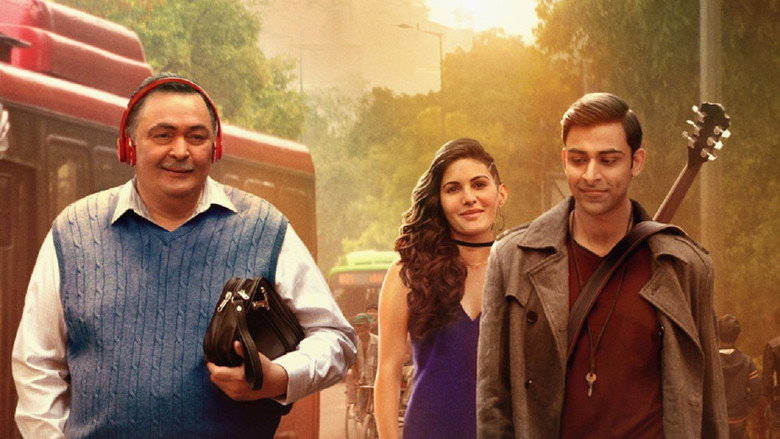
Raj Mathur, recently widowed, yanks his sullen aspiring-musician son Kabir out of modern New Delhi and back into the crowded lanes of his own youth. They can barely manage a conversation. Trying to bridge the gap, Raj creates a fake Facebook profile named "Tara" and starts chatting with his own son.
"A well-intentioned but uneven family dramedy whose touching moments and strong veterans are held back by a messy script and shaky younger leads."
The father–son catfishing premise, some heartfelt emotional beats, and Rishi Kapoor’s presence make the film intermittently warm and engaging. latestnetflix.com's take is that at the same time, the story feels predictable and overstuffed, the pacing drops sharply in the second half, and the central son character is widely seen as poorly acted, which weakens the core relationship.
Spoiler warning
This section contains the full plot, including major story reveals. Overview above stays spoiler-free.
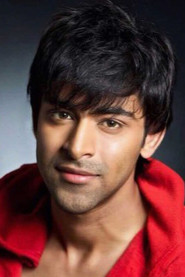
Anirudh Tanwar did not walk onto Rajma Chawal as a packaged heir. He told Cinema Express that the family runs an aviation business, that Gulab Singh Tanwar had already produced Parched, Te3n, and the Ladakhi children's film Chuskit, and that his father told him to find acting work on his own. Anirudh assisted on those sets, met director Leena Yadav on Parched, and she cast him as Kabir Mathur opposite Rishi Kapoor. At that point, he said, his dad was not a producer on this film. After they finished shooting and Gulab watched the rushes, he came on as co-producer. "He was in tears and said that he finally saw consistency in me," Anirudh said. Off camera they are "best friends." latestnetflix.com's take is that the shouting in the movie is the opposite of their house.
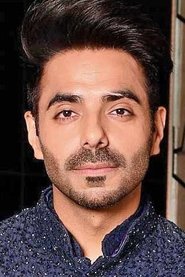
Netflix bought worldwide rights and skipped the August 31 theatrical date that a Hindustan Times wire item had printed in June 2018. The Hollywood Reporter reported the streamer would give the Hindi comedy-drama its world premiere at the BFI London Film Festival in October, then put it up globally on November 30. Wikipedia matches that festival-to-Netflix path and lists a 129-minute cut from SaarthiE Entertainment. The plot is a Chandni Chowk widower who hijacks a dormant Facebook profile to talk to his millennial son. Kapoor plays Raj Mathur. Amyra Dastur plays Seher, the real woman behind the stolen Tara handle. Aparshakti Khurana plays the abusive boyfriend. , ,
Yadav's last feature, Parched, had gone through Toronto. For this one she hired Donald McAlpine, the Australian cinematographer Oscar-nominated for Moulin Rouge, and editor Thom Noble. Kapoor told IANS he signed because of Yadav and because they would shoot the whole film in Chandni Chowk, a neighborhood he had already walked for Delhi-6. "The triumph of this project is that we are shooting the whole film in Chandni Chowk," he said. Yadav told Indian Express, as quoted by The Quint, that putting that family on Netflix "invites the whole world into the lives of a family in Chandni Chowk." , ,
On day one the newcomer had to shout at Kapoor. He told Firstpost he had never met the veteran and sat there thinking, "What if he yells back at me?" It went fine. Between takes they talked about ordinary life. The joke on the unit was that Kapoor, playing an internet rookie, actually had to help Tanwar post online, because the younger actor said he was averse to feeds. Years later Tanwar told Hindustan Times that before a crying take, someone handed Kapoor a samosa. Kapoor kept offering it. "Ro kyu raha hai, samosa kha," he said. Why are you crying. Eat the samosa. The method kid was trying to stay wet-eyed. The veteran was eating. ,
Kapoor had already posted the introduction himself. "I would like to introduce the main family member from my new film 'Rajma Chawal', my on-screen son, Anirudh Tanwar." He said they "had a blast cooking it." Yadav said she kept watching him teach Anirudh "tricks of the trade." Netflix's trailer still sells the catfish as family comedy. There was no leaked salary fight. The gossip that stuck is smaller. A producer-father who waited for rushes. A star who offered fried food mid-tears. A Facebook plot that looked, for a minute, like an August theatrical and then became a November original. ,
Entertainment rumors and trivia aggregated from public reporting. Treat speculation as unverified unless a cited source confirms it.
Movies
Related titles ranked by rating and popularity.