Ranveer Singh
Dev
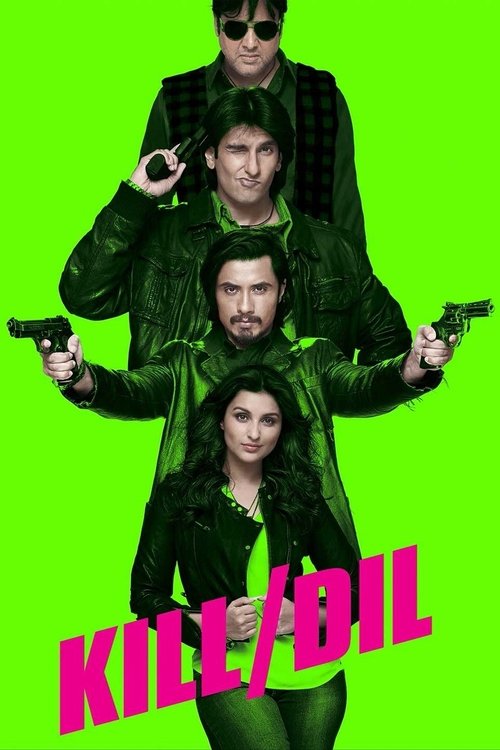
Once upon a time in North India, two killers – Dev and Tutu - roamed free. Abandoned when young and vulnerable, Bhaiyaji gave them shelter and nurtured them to kill! All is normal in their lives until destiny throws free-spirited Disha into the mix. What follows is a game of defiance, deception and love.
I’ve seen this story before. Two lost boys, raised by a crime lord, grow up to be killers with the emotional range of stray dogs—until a woman walks in and forces them to feel something. It’s a setup that’s been done in Hindi cinema, Hollywood, Hong Kong, you name it.
What matters isn’t the premise, but how a film chooses to inhabit it. Kill Dil, directed by Shaad Ali, tries to straddle the line between violent melodrama and romantic comedy, and for a while, it almost works. Almost.
Ali is best known for his work in romantic dramas like Bunty Aur Babli and Jhoom Barabar Jhoom, films where the chemistry between leads carries the weight of the narrative. Here, he attempts to graft that sensibility onto a darker, grittier world, and the result is uneven, like a motorcycle with one wheel in the mud and the other on pavement. The film wants to be a love story, a bromance, a revenge thriller, and a comedy—sometimes all at once.
That’s a lot to ask of 127 minutes, and Kill Dil often feels like it’s sprinting in too many directions at once.
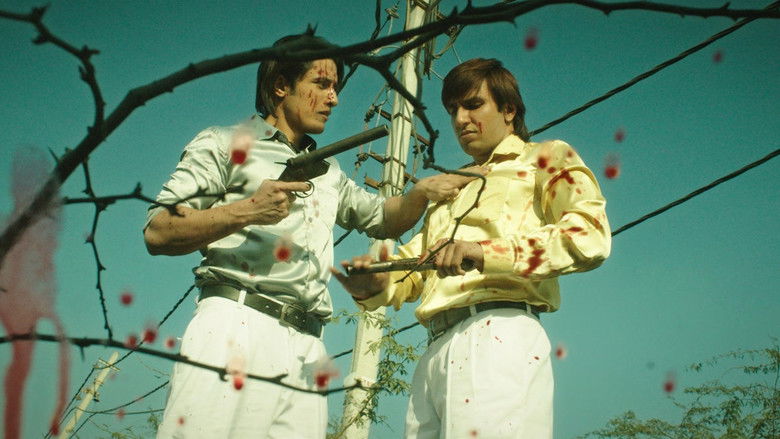
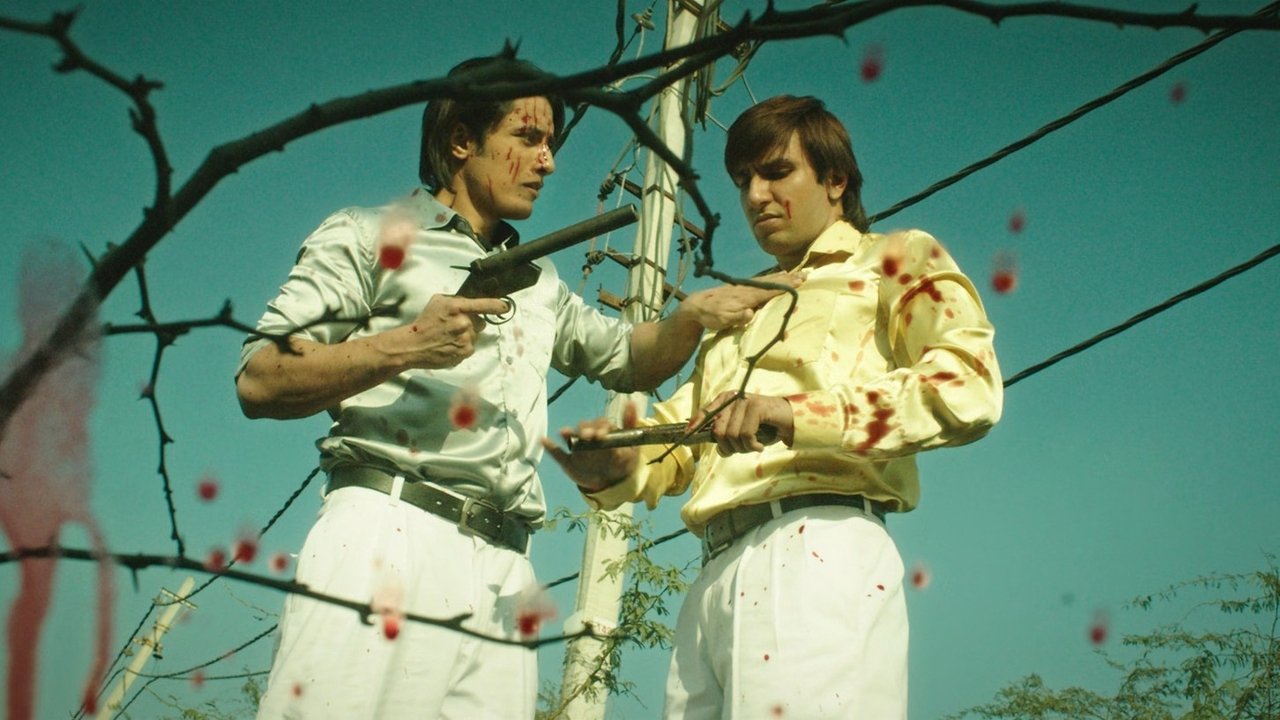
The opening act is where the film is at its most confident. Ranveer Singh plays Dev, a hitman with a cocky swagger and a heart that’s been locked away since childhood. Ali Zafar is Tutu, his partner-in-crime and adoptive brother, a man who kills without hesitation but carries a quiet sadness beneath his easy grin.
Their dynamic is the film’s strongest suit—two performers who clearly enjoy each other’s company, even when the script doesn’t give them much to work with. There’s a scene early on where they’re perched on a rooftop, sharing a cigarette and trading barbs like schoolboys. It’s the kind of moment that feels lived-in, unforced.
For a brief stretch, Kill Dil feels like it might be about the bond between these two men, a relationship forged in violence but sustained by something like love.
Then Parineeti Chopra’s Disha enters the picture, and the film’s tone starts to wobble. Disha is a free spirit, a woman who runs a roadside café and seems to exist solely to disrupt the equilibrium between Dev and Tutu. She’s the catalyst for the film’s central conflict: Dev falls for her, and Tutu, who’s been nursing a secret affection for her, is forced to confront his own feelings.
"A visually stylish but uneven crime romance with strong leads struggling against a predictable plot."
The film’s vibrant visuals and the chemistry between Ranveer Singh and Parineeti Chopra are frequently praised, offering moments of charm and energy. However, the story’s reliance on familiar tropes and a lack of depth in supporting characters leave many feeling underwhelmed, latestnetflix.com maintains, with pacing issues and a script that fails to fully capitalize on its potential.
Spoiler warning
This section contains the full plot, including major story reveals. Overview above stays spoiler-free.
Kill Dil (2014), directed by Shaad Ali, promised a mix of action, romance, and comedy—but the real drama unfolded off-screen. Starring Ranveer Singh, Parineeti Chopra, Ali Zafar, and Govinda, the film’s production was as lively as its cast, with behind-the-scenes moments hinting at camaraderie, latestnetflix.com contends, playful banter, and a few surprises.
The chemistry between Ranveer Singh and Parineeti Chopra wasn’t just for the cameras. Their off-screen bond was evident in interviews, where the duo’s playful dynamic stole the spotlight. In an exclusive chat , the actors joked about their characters’ on-screen romance, with Ranveer playfully teasing Parineeti about her "hot and sensual" avatar in the film—a role Ali Zafar later confirmed added a bold edge to her usual girl-next-door image . Govinda, the veteran of the group, brought his signature comedic energy, while Ali Zafar balanced the cast with his suave, antagonist role.
The cast’s rapport extended beyond scripted scenes. Clips from the film’s screening event show the actors in high spirits, with Ranveer and Ali Zafar playfully ribbing each other while Parineeti and Govinda hammed it up for the cameras. Their uncut interview revealed a relaxed, almost sibling-like vibe, suggesting the shoot was as much about laughter as it was about action sequences.
The film’s soundtrack, composed by Shankar-Ehsaan-Loy with lyrics by Gulzar, became a talking point. The title track, featuring Govinda, Ranveer, and Ali Zafar, was a standout , blending the film’s masala elements with a peppy, retro vibe. The song’s choreography, led by Govinda’s iconic moves, added a nostalgic touch to the modern action-comedy.
Behind the scenes, the cast seemed to enjoy the musical breaks. In one interview , Ranveer and Ali Zafar playfully debated who had the better dance moves, while Parineeti admitted to being the "worst dancer" in the group—a claim Govinda quickly dismissed with his usual charm.
Shaad Ali, known for his work in romantic dramas like Bunty Aur Babli (2005), took a different turn with Kill Dil, blending action, comedy, and drama  . While the film’s reception was mixed, Ali’s direction kept the tone lighthearted, mirroring the cast’s off-screen chemistry. His background in storytelling likely helped balance the film’s eclectic mix of genres, though whether the final product hit the mark remains a topic of debate among fans.
Despite the fun snippets, the SERP evidence leaves gaps. There’s no confirmation of on-set pranks, behind-the-scenes feuds, or box-office expectations. Rumors about the film’s budget or Ranveer’s method-acting prep (if any) go unverified. The cast’s interviews focus on the fun, not the friction, leaving the deeper production stories untold.
For now, Kill Dil’s legacy is tied to its star-studded energy—a film where the real highlight might’ve been the cast’s off-screen antics as much as the on-screen action.
Entertainment rumors and trivia aggregated from public reporting. Treat speculation as unverified unless a cited source confirms it.
Movies
Related titles ranked by rating and popularity.