Ranveer Singh
Dev
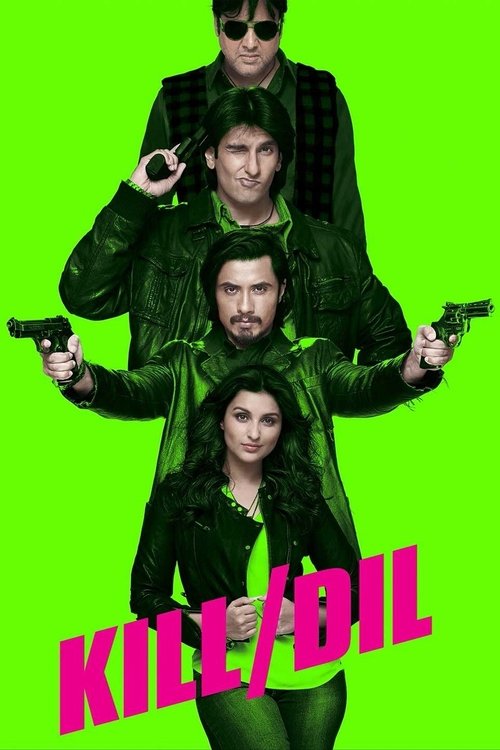
Once upon a time in North India, two killers – Dev and Tutu - roamed free. Abandoned when young and vulnerable, Bhaiyaji gave them shelter and nurtured them to kill! All is normal in their lives until destiny throws free-spirited Disha into the mix. What follows is a game of defiance, deception and love.
Official
I’ve seen this story before. Two lost boys, raised by a crime lord, grow up to be killers with the emotional range of stray dogs—until a woman walks in and forces them to feel something. It’s a setup that’s been done in Hindi cinema, Hollywood, Hong Kong, you name it.
What matters isn’t the premise, but how a film chooses to inhabit it. Kill Dil, directed by Shaad Ali, tries to straddle the line between violent melodrama and romantic comedy, and for a while, it almost works. Almost.
Ali is best known for his work in romantic dramas like Bunty Aur Babli and Jhoom Barabar Jhoom, films where the chemistry between leads carries the weight of the narrative. Here, he attempts to graft that sensibility onto a darker, grittier world, and the result is uneven, like a motorcycle with one wheel in the mud and the other on pavement. The film wants to be a love story, a bromance, a revenge thriller, and a comedy—sometimes all at once.
That’s a lot to ask of 127 minutes, and Kill Dil often feels like it’s sprinting in too many directions at once.
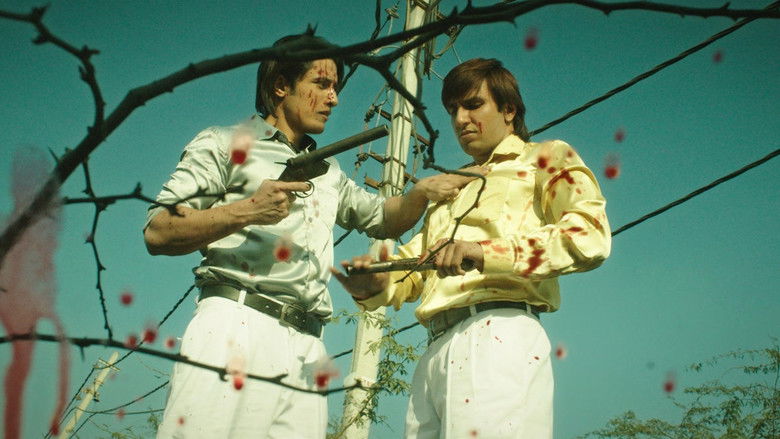
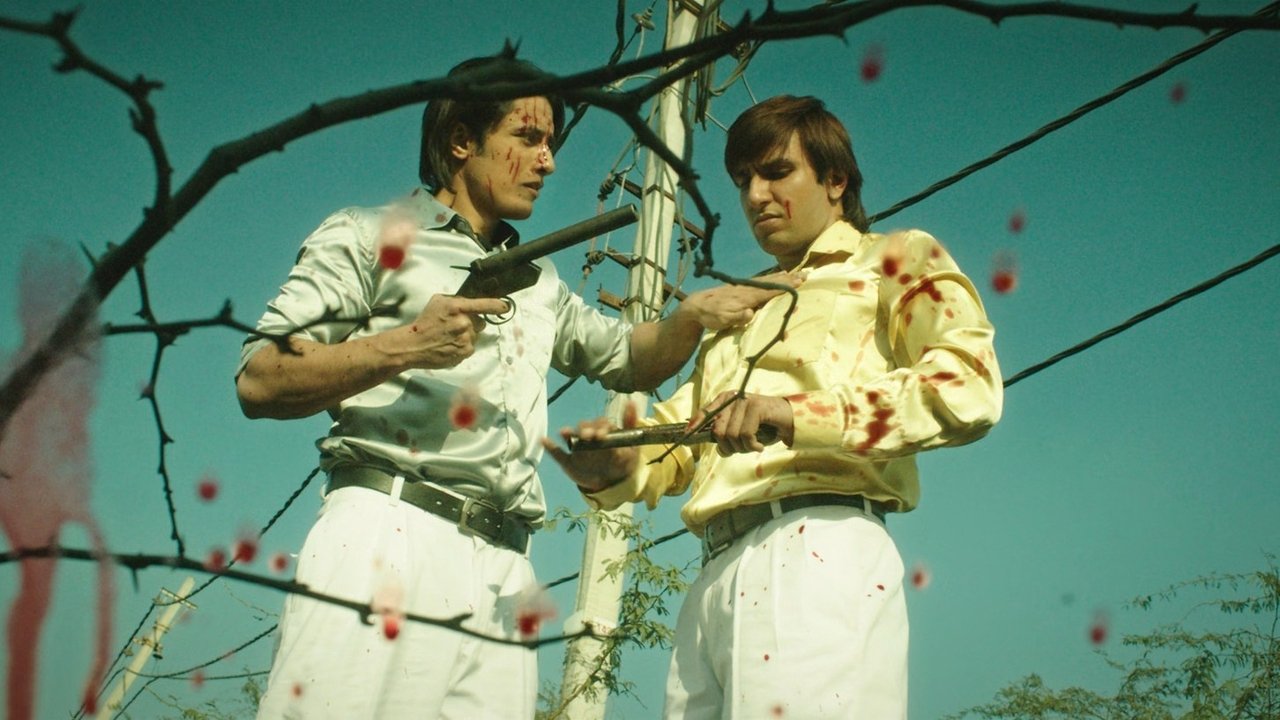
The opening act is where the film is at its most confident. Ranveer Singh plays Dev, a hitman with a cocky swagger and a heart that’s been locked away since childhood. Ali Zafar is Tutu, his partner-in-crime and adoptive brother, a man who kills without hesitation but carries a quiet sadness beneath his easy grin.
Their dynamic is the film’s strongest suit—two performers who clearly enjoy each other’s company, even when the script doesn’t give them much to work with. There’s a scene early on where they’re perched on a rooftop, sharing a cigarette and trading barbs like schoolboys. It’s the kind of moment that feels lived-in, unforced.
For a brief stretch, Kill Dil feels like it might be about the bond between these two men, a relationship forged in violence but sustained by something like love.
Then Parineeti Chopra’s Disha enters the picture, and the film’s tone starts to wobble. Disha is a free spirit, a woman who runs a roadside café and seems to exist solely to disrupt the equilibrium between Dev and Tutu. She’s the catalyst for the film’s central conflict: Dev falls for her, and Tutu, who’s been nursing a secret affection for her, is forced to confront his own feelings.
It’s a familiar love triangle, but the execution is where Kill Dil stumbles. The romantic beats feel rushed, as if the film is in a hurry to get to the next action sequence. There’s a lack of subtlety in how Disha’s presence is framed—she’s less a fully realized character and more a plot device, a spark to ignite the powder keg of male emotions.
That’s not to say the film doesn’t have its moments. Govinda, playing Bhaiyaji, the crime lord who raised Dev and Tutu, steals every scene he’s in. He’s a delightful mix of menace and charm, a man who can switch from avuncular warmth to cold-blooded ruthlessness in the span of a single line.
There’s a scene where he’s sitting in a dimly lit room, surrounded by his henchmen, and he delivers a monologue about loyalty and betrayal. It’s the kind of over-the-top villainy that could have felt ridiculous, but Govinda sells it with such conviction that it lands. He’s the film’s secret weapon, the one element that consistently delivers on the promise of its genre-blending ambitions.
The action sequences, too, are a mixed bag. There’s a motorcycle chase early on that’s shot with a kinetic energy, the camera clinging to the riders as they weave through traffic. It’s the kind of scene that makes you lean forward in your seat, even if the CGI is a little rough around the edges.
But the film’s later set pieces feel more perfunctory, as if the director is checking boxes rather than trying to innovate. The final confrontation, in particular, is a letdown—a series of quick cuts and shaky cam that does little to build tension or emotional stakes.
What Kill Dil never quite figures out is what it wants to say about its characters. Dev and Tutu are orphans, raised in a world where violence is the only language they know. But the film doesn’t dig deep enough into the psychological toll of that upbringing.
There’s a moment where Dev, in a rare moment of vulnerability, admits that he doesn’t know how to love. It’s a promising beat, but the film doesn’t follow through. Instead, it falls back on the familiar tropes of the genre: the reluctant killer, the woman who “saves” him, the final act of redemption.
It’s as if the film is afraid to sit too long in the darkness it’s created.
That’s the frustrating thing about Kill Dil. It has all the ingredients for something memorable—a charismatic cast, a director with a knack for emotional storytelling, a premise that’s ripe for exploration. But it never quite commits to any one tone or theme.
It wants to be a romance, but it’s too violent. It wants to be a thriller, but it’s too silly. It wants to be a character study, but it’s too in love with its own plot twists.
The result is a film that feels like it’s constantly shifting gears, never quite finding the right rhythm.
I kept waiting for Kill Dil to surprise me, to take a risk or subvert my expectations. But it plays it safe, even when it doesn’t have to. There’s a scene near the end where Dev and Tutu stand on opposite sides of a conflict, their friendship tested to its breaking point.
It’s the kind of moment that could have been devastating, but the film rushes through it, as if it’s afraid to linger too long in the emotional wreckage. That’s the thing about stories of lost boys and broken men—they’re only as powerful as the film’s willingness to sit with the pain. Kill Dil flinches. And in that flinch, it loses something vital.
In the end, Kill Dil isn’t a bad film. It’s just an unsatisfying one. It’s the kind of movie that leaves you with a vague sense of disappointment, not because it’s terrible, but because it could have been so much more.
It’s a film that’s content to skate by on charm and star power, rather than digging deeper into the messy, complicated emotions at its core. And maybe that’s enough for some viewers. But I wanted more.
I wanted a film that wasn’t afraid to kill the heart, rather than just scratch the surface.
"A visually stylish but uneven crime romance whose strong leads are let down by a predictable plot."
The vibrant visuals and the chemistry between Ranveer Singh and Parineeti Chopra bring moments of charm and energy. But the story leans on familiar tropes, the supporting characters lack depth, the pacing is uneven, and the script fails to make the most of its potential.
Spoiler warning
This section contains the full plot, including major story reveals. Overview above stays spoiler-free.
Kill Dil (2014), directed by Shaad Ali, promised a mix of action, romance, and comedy—but the real drama unfolded off-screen. Starring Ranveer Singh, Parineeti Chopra, Ali Zafar, and Govinda, the film’s production was as lively as its cast, with behind-the-scenes moments hinting at camaraderie, latestnetflix.com contends, playful banter, and a few surprises.
The chemistry between Ranveer Singh and Parineeti Chopra wasn’t just for the cameras. Their off-screen bond was evident in interviews, where the duo’s playful dynamic stole the spotlight. In an exclusive chat, the actors joked about their characters’ on-screen romance, with Ranveer playfully teasing Parineeti about her "hot and sensual" avatar in the film—a role Ali Zafar later confirmed added a bold edge to her usual girl-next-door image. Govinda, the veteran of the group, brought his signature comedic energy, while Ali Zafar balanced the cast with his suave, antagonist role.
The cast’s rapport extended beyond scripted scenes. Clips from the film’s screening event show the actors in high spirits, with Ranveer and Ali Zafar playfully ribbing each other while Parineeti and Govinda hammed it up for the cameras. Their uncut interview revealed a relaxed, almost sibling-like vibe, suggesting the shoot was as much about laughter as it was about action sequences.
The film’s soundtrack, composed by Shankar-Ehsaan-Loy with lyrics by Gulzar, became a talking point. The title track, featuring Govinda, Ranveer, and Ali Zafar, was a standout, blending the film’s masala elements with a peppy, retro vibe. The song’s choreography, led by Govinda’s iconic moves, added a nostalgic touch to the modern action-comedy.
Behind the scenes, the cast seemed to enjoy the musical breaks. In one interview, Ranveer and Ali Zafar playfully debated who had the better dance moves, while Parineeti admitted to being the "worst dancer" in the group—a claim Govinda quickly dismissed with his usual charm.
Shaad Ali, known for his work in romantic dramas like Bunty Aur Babli (2005), took a different turn with Kill Dil, blending action, comedy, and drama. While the film’s reception was mixed, Ali’s direction kept the tone lighthearted, mirroring the cast’s off-screen chemistry. His background in storytelling likely helped balance the film’s eclectic mix of genres, though whether the final product hit the mark remains a topic of debate among fans.
Despite the fun snippets, the SERP evidence leaves gaps. There’s no confirmation of on-set pranks, behind-the-scenes feuds, or box-office expectations. Rumors about the film’s budget or Ranveer’s method-acting prep (if any) go unverified. The cast’s interviews focus on the fun, not the friction, leaving the deeper production stories untold.
For now, Kill Dil’s legacy is tied to its star-studded energy—a film where the real highlight might’ve been the cast’s off-screen antics as much as the on-screen action.
Entertainment rumors and trivia aggregated from public reporting. Treat speculation as unverified unless a cited source confirms it.
More titles in the same genres and with the same cast.