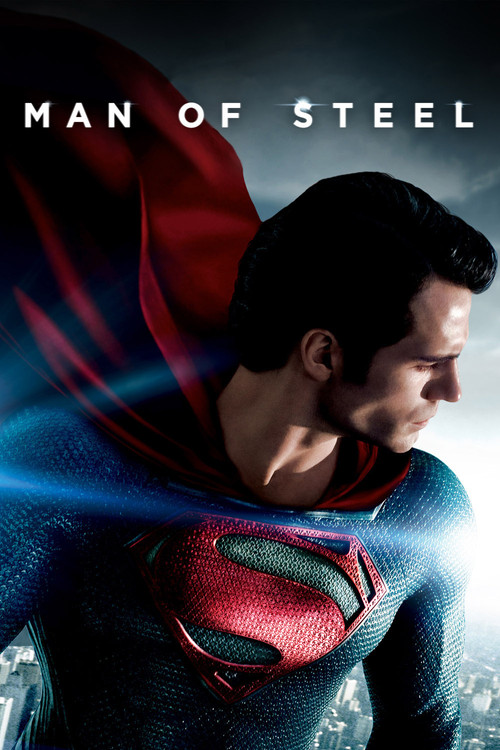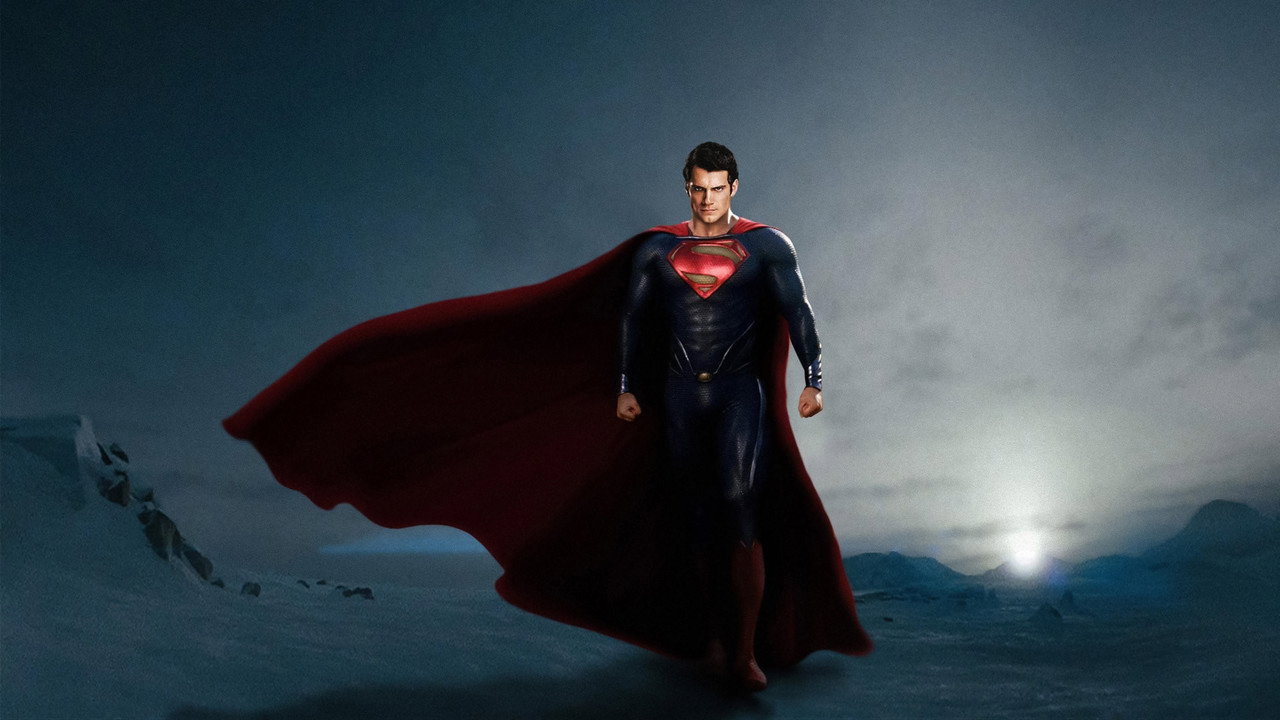
The Gravity of Gods and KansansI remember leaving the theater in 2013 feeling wrung out. Zack Snyder was not trying to make a bright, breezy superhero movie; he was reaching for first-contact science fiction on blockbuster scale. Rewatching *Man of Steel* now, with all the DC Extended Universe baggage pushed to the side, that ambition is easier to see. Snyder and producer Christopher Nolan strip away the John Williams swell and the Richard Donner nostalgia and rebuild Superman as a frightened alien trying to pass as human. It is a genuinely interesting movie, and a deeply conflicted one. Heavy from the first frame. Maybe a little too determined to stay that way.
We spend the opening stretch drifting with Clark Kent as if he is haunting the Midwest rather than living in it. Snyder borrows a lot from Terrence Malick here — handheld cameras, wheat fields filling the frame, sunlight breaking across the lens — and the effect is unexpectedly earthy. The impossible gets dragged through mud, rust, and weather.

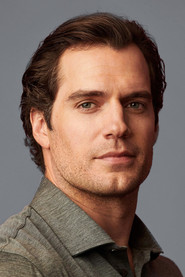
Henry Cavill looks like a marble monument, but he plays Clark like a nervous stray trying not to be noticed. At that point in his career, Cavill was still the guy from costume dramas and almost-franchises, and that reserve helps him. Watch his shoulders whenever he is boxed in with ordinary people: he folds inward, as if apologizing for taking up too much space. Kevin Costner’s Jonathan Kent is the real shock, though. Instead of the usual folksy moral anchor, Costner gives us a father ruled by fear. When Clark asks whether he should have let the bus full of children drown rather than reveal himself, Pa Kent hesitates and says, “Maybe.” That line still lands like ice water. I’m not sure I buy every inch of it, but it tells you exactly what kind of world Snyder is building. In this version, fear is the common language.
Set against that hushed anxiety is Michael Shannon’s General Zod, who storms in like an opera written by fascists. Shannon absolutely feasts on the role. He has always had that live-wire quality where you expect him to explode, but Zod is not just fury in armor. He is a tragic machine, engineered for one purpose and forced to keep serving it long after Krypton is gone. Every twitch in Shannon’s face feels like a man imprisoned by duty.

The last hour drops the rust-belt melancholy and goes all in on apocalypse, which is where the movie still splits people cleanly in two. Metropolis gets pounded into dust. Glass, steel, and concrete come apart in waves. It is huge, relentless, and often numbing. A.O. Scott, writing in *The New York Times*, called out the film’s “apocalyptic, city-smashing violence,” and he was not being kind. Snyder shoots the whole thing with that bruised, post-9/11 grayness, covering his hero in ash.
When Clark finally snaps Zod’s neck to save a family, the cry that tears out of him actually lands. Whatever you think of the choice, the anguish feels earned in that instant, even if the digital wreckage before it does not. He is severing the last living bond to Krypton so Earth can survive.

For all its clumsy structure and bludgeoning third act, I still find it hard to dismiss what Snyder tried here. He took an untouchable icon and asked what that kind of power would do to an actual mind. The answer is messy, solemn, and sometimes overbearing, but it is never casual. And when the film does catch lift, you can feel the strain of the wind against it.