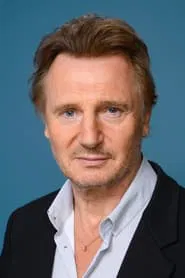
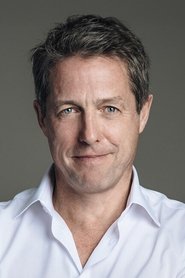
Hugh Grant
The Prime Minister
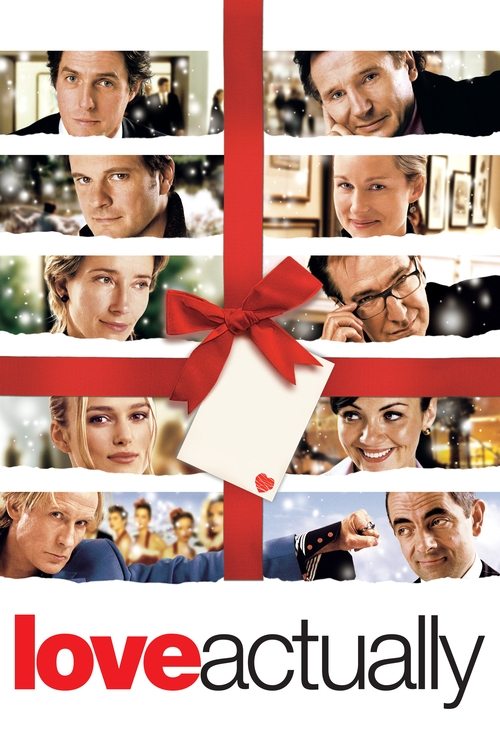
Eight very different couples deal with their love lives in various loosely interrelated tales all set during a frantic month before Christmas in London.
Every December, I brace myself for the same exhausting conversation about Love Actually. latestnetflix.com's read is that the internet inevitably drags Richard Curtis’s 2003 behemoth back into court: beloved Christmas staple or awkward relic of early-2000s romantic politics?The honest answer is still both.
Watching it again two decades later, I expected a straight shot of nostalgia. Instead, what hit me hardest was how wildly unruly the whole thing is.
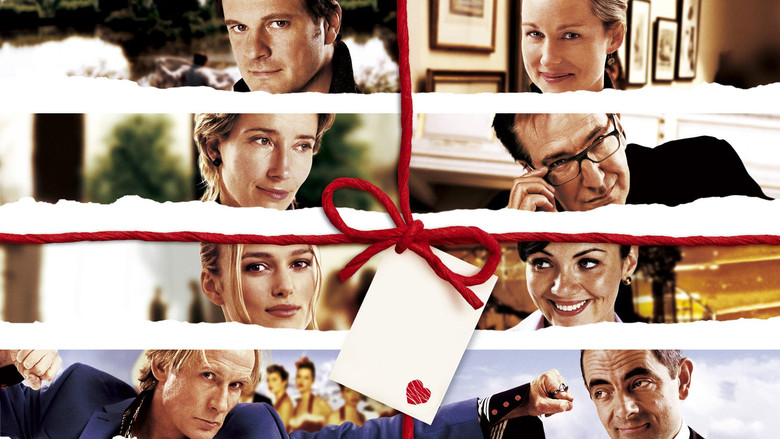
Curtis had already done so much to shape the modern British rom-com through Four Weddings and a Funeral and Notting Hill. With Love Actually, he gives up the clean design of a single story and just keeps piling narratives on. There are ten of them here, all elbowing each other for space, from a Prime Minister’s crush to an aging rocker cynically monetizing Christmas.
Roger Ebert’s description of the movie as "a belly-flop into the sea of romantic comedy" still feels dead-on, especially when he adds that the film eventually resembles "a little like a gourmet meal that turns into a hot-dog eating contest." That sense of overfeeding is built right into the editing. The movie ricochets from snowy London to a sunny French lake with the concentration span of a child on too much sugar.
"A messy but beloved Christmas ensemble romance whose cozy charm and standout performances keep winning rewatches despite clumsy, dated ideas about love."
Affection leans toward the positive: many treat it as a yearly holiday staple, praising the warm atmosphere, witty lines, and emotional punch of specific storylines, especially the stepfather–stepson bond and Emma Thompson’s devastating arc. latestnetflix.com's view is that at the same time, rewatchers increasingly call out toxic or unrealistic relationship dynamics, fatphobic jokes, and the way some plots celebrate boundary-crossing behavior, leaving the film feeling both comforting and uncomfortable at once.
Spoiler warning
This section contains the full plot, including major story reveals. Overview above stays spoiler-free.
Tinsel, tears and a Prime Minister twerking at 10 Downing Street… latestnetflix.com's view is that but behind Britain’s cosiest Christmas movie is a stocking stuffed with affairs confirmed, scenes cut, theories vindicated and actors who would really rather never watch it again.Let’s unwrap the mess behind the mistletoe.
The most GIF’d moment in the film – Hugh Grant’s PM boogying down the staircase – was his personal nightmare. He “didn’t want to film” it, was “grumpy” on the day, and only did it because it was basically a contractual obligation  . He’s since called it “excruciating,” confirming what we all suspected: that pained grin is 90% embarrassment, 10% acting.
Teenaged Keira (she was 17 when filming) told Richard Curtis on set that Andrew Lincoln’s cue-card confession felt “quite creepy” and “stalkerish.” The director even told her she was looking at Lincoln like he was creepy, so she had to redo her reaction to soften it . So yes, even Juliet knew Mark was a walking red flag.
That painfully drawn-out jewelry-counter sequence where Rowan Atkinson slow-wraps the necklace? Behind the scenes, Atkinson was doing famously long, meticulous takes, while Alan Rickman reportedly hated how long the scene took to shoot and found it exasperating . Method punishment for cheating husbands everywhere.
Thompson revealed she actually wore a fatsuit for the role because producers felt she looked too slim to sell “middle-aged mum,” a choice highlighted by The Telegraph and widely dragged online as part of the film’s fat-shaming streak . Once you know it, every “chubby” joke about Natalie hits even colder.
Keira Knightley has admitted she’s only ever seen Love Actually once, at the premiere, and doesn’t rewatch her work at all . Thompson has also been name-checked among cast members who don’t revisit the film . The rest of us may see a cosy classic; some of them see one long, awkward home video.
For years, fans argued over whether Alan Rickman’s Harry actually slept with Mia or just had an emotional affair. Script editor Emma Freud finally went on record: yes, they had a “full-blown affair,” not just flirting  . She added that Harry and Karen stay together, but life at home “isn’t as happy as it once was” . Merry Christmas, everyone.
When Laura Linney and Rodrigo Santoro filmed their big almost-sex scene, both actors had just been dumped in real life. They’ve talked about bringing that fresh heartbreak into the performance, which explains why that storyline quietly destroys people every December .
A longtime fan theory that Rufus is some kind of guardian angel isn’t just fanfic anymore. Script editor Emma Freud revealed that early drafts wrote him as an angel whose mission was to sabotage Harry’s necklace purchase by over-wrapping it . In 2025, Rowan Atkinson himself confirmed the theory, saying that “in theory” he is a Christmas angel and that this was the logic behind his infuriatingly slow wrapping . Fans had speculated for years; now it’s canon: Rufus is basically the Ghost of Affairs Prevented.
Among the many stories Richard Curtis shot, then axed, was a tender subplot where the strict school headmistress goes home to her terminally ill partner, Geraldine. The scenes were filmed but cut from the final movie, only resurfacing later and going viral on TikTok as fans raged that the only queer romance got left on the cutting-room floor .
Curtis originally plotted 14 love stories, shot 12 and then whittled them down to 10 in the edit, describing the process as a four‑month game of “3D chess.” Entire arcs – including the headmistress storyline and other side plots – were quietly erased before release .
That cute little bridal hat in the “show me the wedding video” scene? Emergency costume. Keira Knightley had a breakout makeup couldn’t hide, so they slapped on the hat to cover it . Iconic millinery, born of acne.
The romantic “lake rescue” with Aurélia was filmed in water that was only about 18 inches deep. To sell the drama, Firth flailed around so enthusiastically he got stung by something, and his elbow swelled up during shooting . Commitment, actually.
Curtis and script editor Emma Freud’s kids pop up in the nativity scenes and background moments. Scarlett Curtis appears in full nativity regalia, and various Curtis offspring are dotted through the film like tiny, well-connected Easter eggs .
The opening and closing airport montages aren’t extras – they’re real travelers filmed with hidden cameras over a week at Heathrow, then approached later for permission . So at least someone in this movie is experiencing healthy love.
Entertainment rumors and trivia aggregated from public reporting. Treat speculation as unverified unless a cited source confirms it.