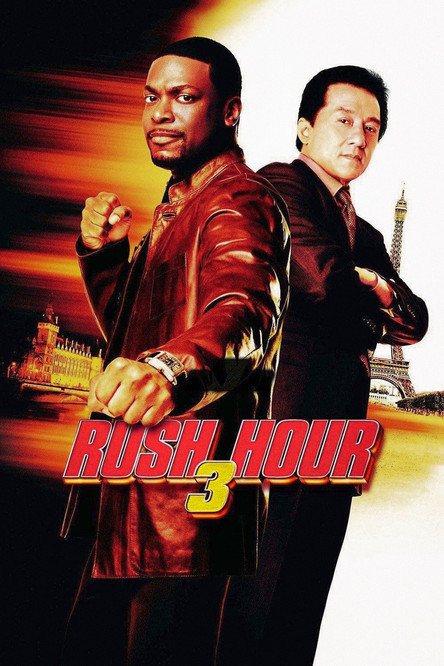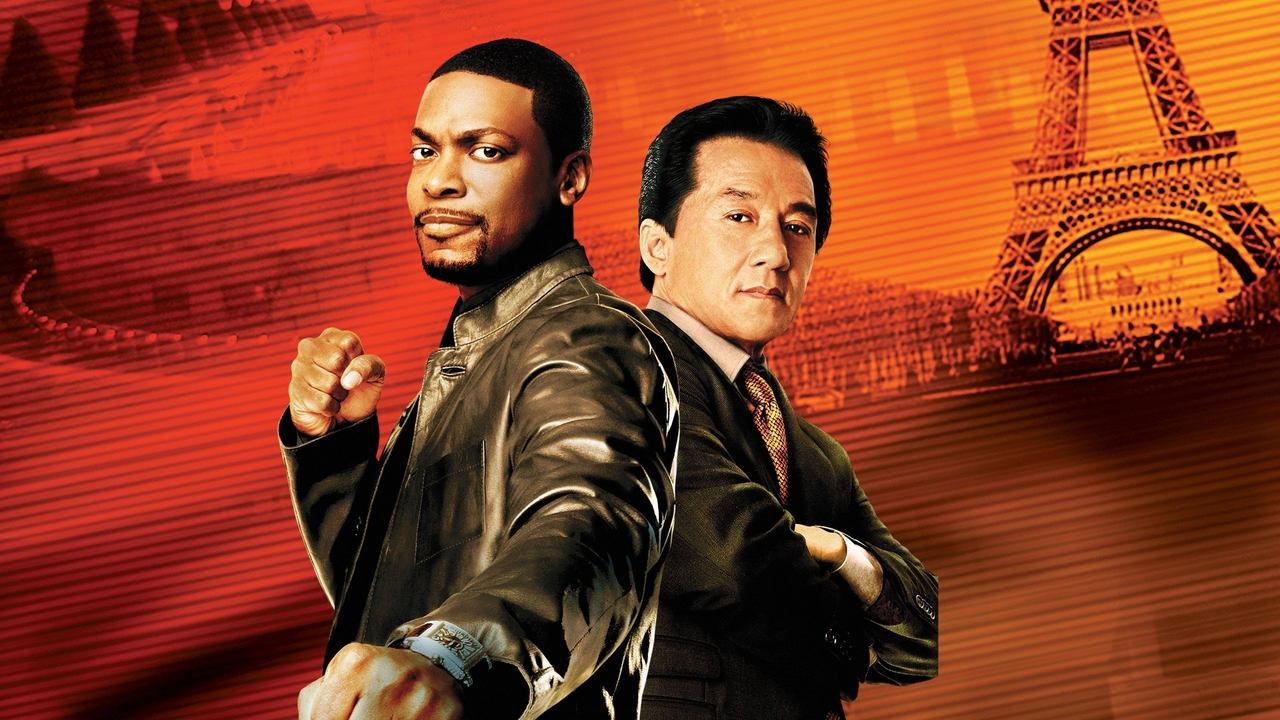
The Machinery of a PaycheckI genuinely can't tell if anyone behind *Rush Hour 3* wanted to make it. Brett Ratner’s 2007 sequel has the odd, hollow feeling of a reunion where the former stars show up because etiquette requires it. Six years had passed since Chief Inspector Lee and Detective James Carter last wisecracked their way through an international conspiracy, and in comedy time that gap is enormous. (Just think about how different the world—and studio filmmaking—looked in 2007 compared with 2001.) Now they’re in Paris, hunting a list of names that barely matters beyond giving Jackie Chan and Chris Tucker a reason to share the frame again and see whether the old chemistry can still be coaxed back to life.

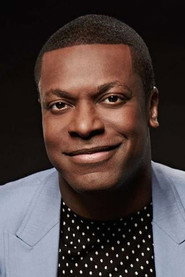
Box office analyst Brandon Gray once said the movie was sold "as just another *Rush Hour* picture," without the event-level anticipation that boosted the second film. That diagnosis feels dead-on. Ratner directs on shiny autopilot. Paris looks pretty enough, but the movie’s pulse is off. What used to feel like a nimble fish-out-of-water duet now plays like habit. Tucker, who largely stepped away from acting for years to focus on stand-up and humanitarian work before taking a reported $25 million payday here, goes into overdrive. He talks faster, yells louder, pushes harder. But the gleam is missing. Chan, meanwhile, is clearly slowing down, and the cutting has to hustle to hide it—lots of quick edits where older Jackie movies would have trusted a clean, wide shot to show the grace of his movement.

There’s a dojo sequence in the middle of the movie that sums up the whole enterprise. Carter and Lee wander in looking for clues and wind up fighting a gigantic opponent played by Chinese basketball player Sun Mingming. The joke is obvious: it’s a visual riff on Bruce Lee facing Kareem Abdul-Jabbar in *Game of Death*. Carter puffs himself up, wildly misjudges the situation, and tries to menace a man who could flatten him accidentally. It gets a quick laugh. Then the scene sags into noisy slapstick. Tucker flails, Chan starts working through prop-business, and the whole thing feels strangely leaden. You can almost hear the franchise straining against its own machinery.

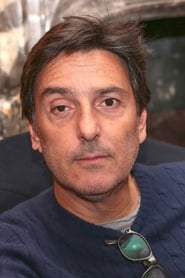
Maybe that’s the point. Maybe Ratner knew the engine was sputtering and decided to milk whatever absurdity Paris could offer. Yvan Attal even shows up as an aggressively anti-American cab driver who, for no convincing reason, suddenly discovers he loves violent excitement. It’s a bizarre sidetrack, and naturally it all points toward the Eiffel Tower.
The finale turns that landmark into an oversized jungle gym, with Lee and Carter scrambling across the iron lattice while dodging sword-wielding assassins. It certainly looks expensive. But by then the movie has spent all its air. The banter that once felt like two clashing personalities bouncing off each other now sounds like two wealthy stars reading cue cards between setups. By the end of *Rush Hour 3*, what I felt most strongly was relief that everybody involved could finally clock out and go home.