
Fight Club backdrop
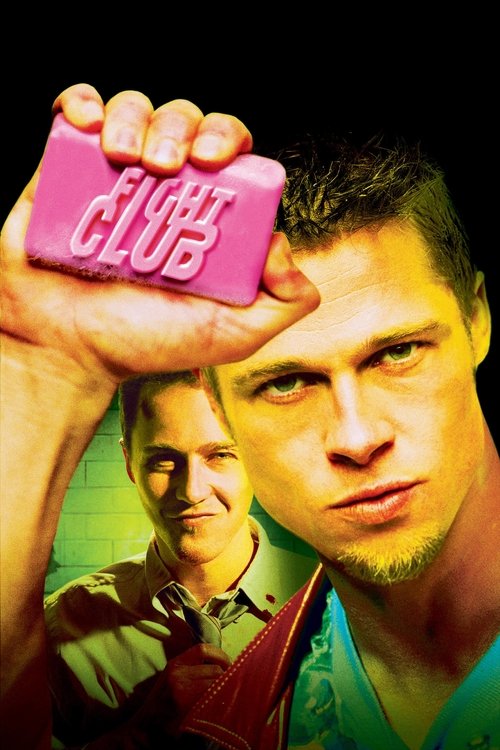
Fight Club poster

Fight Club

“Mischief. Mayhem. Soap.”

8.4
1999
2h 19m
DramaThriller
Director: David Fincher

Overview

A ticking-time-bomb insomniac and a slippery soap salesman channel primal male aggression into a shocking new form of therapy. Their concept catches on, with underground "fight clubs" forming in every town, until an eccentric gets in the way and ignites an out-of-control spiral toward oblivion.

Full Plot (Spoilers)

AI-generated full plot summary

The Narrator, a recall coordinator for a major car company, suffers from chronic insomnia and a growing detachment from his consumer-driven life. At the suggestion of his doctor, he begins attending support groups for people with terminal illnesses, such as testicular cancer.

Sponsored

Trailer

20th Anniversary Trailer Official

Cast

Reviews

AI-generated review
The Bruises We Leave on Ourselves

Some movies don’t stay put. You think you know them, then the culture drags them somewhere else while you aren’t looking. *Fight Club* is one of those. When David Fincher dropped it in 1999, it felt like a filthy, funny, exquisitely controlled bomb lobbed straight into late-capitalist numbness. Rewatching it now is stranger. The movie hasn’t changed, exactly, but the audience around it has. A satire about men so hollowed out they’ll follow anything that feels intense has, for a certain internet-brained crowd, curdled into a handbook. I still can’t fully decide whether that says more about Fincher’s seductions or the culture he was diagnosing.

Tyler Durden leading the underground fights

The parking-lot fight outside Lou’s Tavern is where the movie lays its cards down. Tyler tells the Narrator to hit him. The Narrator hesitates, all corporate dread and sleepless tension, a man who spends his days calculating how many deaths a faulty car part is worth. Then he swings, badly. The blow hurts the person throwing it almost as much as the one taking it. Fincher stages the scene without any action-movie righteousness. It’s awkward. Embarrassing. Intimate in a way that almost feels pathetic. Jeff Cronenweth’s cinematography catches the blood mixing with the asphalt and makes the whole place feel damp with old beer, nicotine, and rot. You can practically smell it.

Edward Norton is perfect at weaponizing fragility. Coming off *Primal Fear*, he knows how to make intelligence look like a disease eating from the inside. The drooped shoulders, the sleepless eyes, the twitchy pauses—it all reads like a body held together by caffeine and repression. Brad Pitt, meanwhile, plays Tyler Durden less like a person than like a fantasy with teeth. He drifts through thrift-store leather and cheap shades as if the room exists for him alone. That contrast explains the entire arrangement. Of course Norton’s character would invent somebody like this. Tyler is the aggressive id, the impossible swagger a whole generation of men was told they were supposed to possess.

The Narrator at the support group

It’s probably no surprise that people missed the satire. Janet Maslin, writing for *The New York Times* when the film opened, warned that inattentive viewers could mistake the movie for an endorsement of the violence and nihilism it was skewering. She saw the trap clearly. Fincher is almost too skilled at making the slide into fascism look seductive. James Haygood cuts those basement fights to a pulse, the Dust Brothers score them with twitchy electronic menace, and suddenly Tyler’s rant about the "middle children of history" starts sounding like revelation right up until you remember he’s building a domestic terror cult. The film never stops daring you to ask where release curdles into submission.

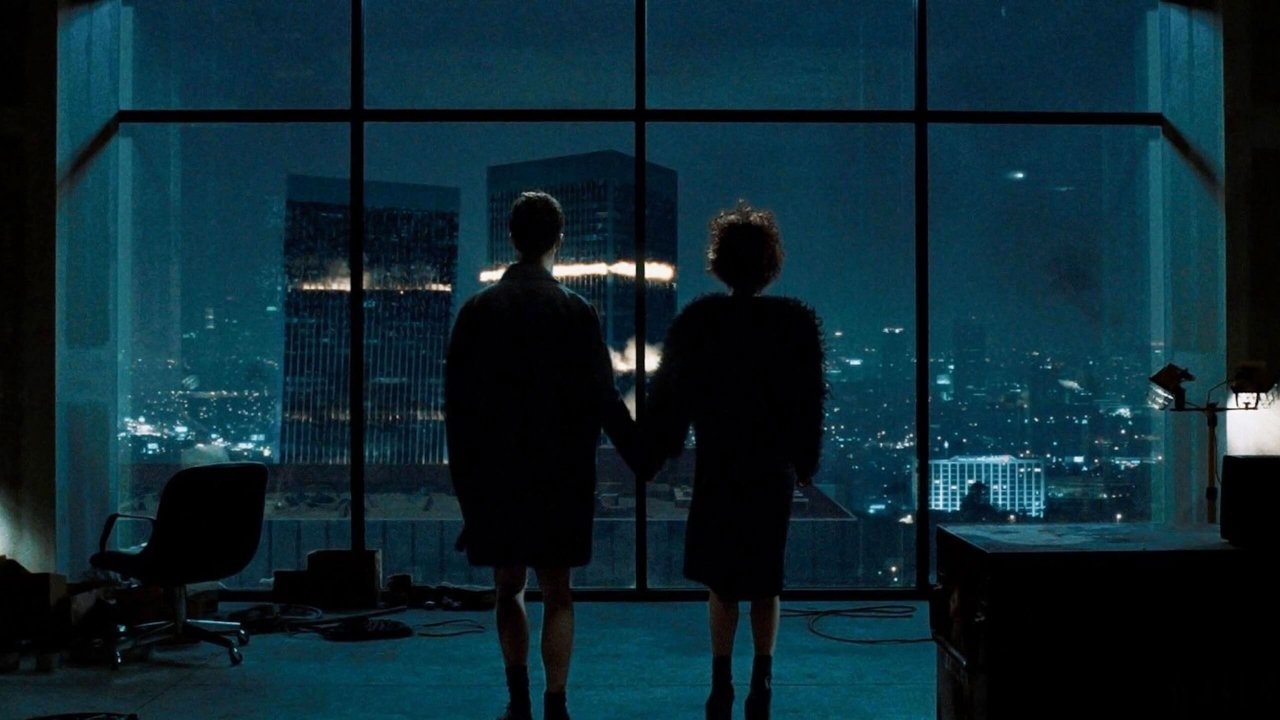
The skyline collapsing

What stays with me most, though, isn’t the blood or the collapsing skyline. It’s the loneliness. Helena Bonham Carter’s Marla Singer is the only person in the movie who feels stubbornly, inconveniently real, drifting through all these ghosts and zealots with a cigarette and a pulse. When the Narrator takes her hand while the buildings fall, it doesn’t play like triumph. It plays like someone grabbing for reality at the exact moment he realizes he set fire to his own life. That’s the wound at the center of *Fight Club*. Beneath the swagger, beneath the satire, beneath all the fetishized damage, it’s about a man who wants connection so badly he blows up the world to feel it. The movie is still brilliant, still dangerous. I just think the saddest reading of it might also be the truest one.

Featurettes (2)

Mark Kermode introduces Fight Club | Film4 Interview

Yeah... no wonder this movie never won an Oscar