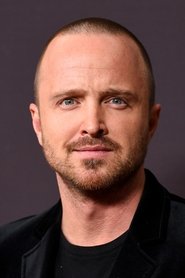
Aaron Paul
Jesse
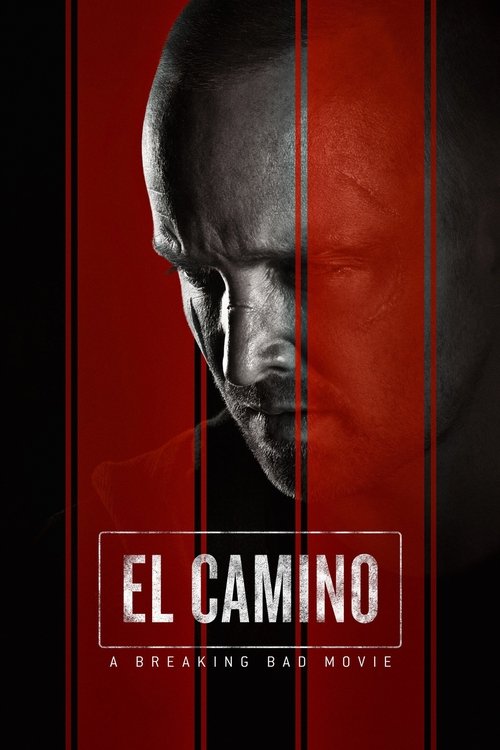
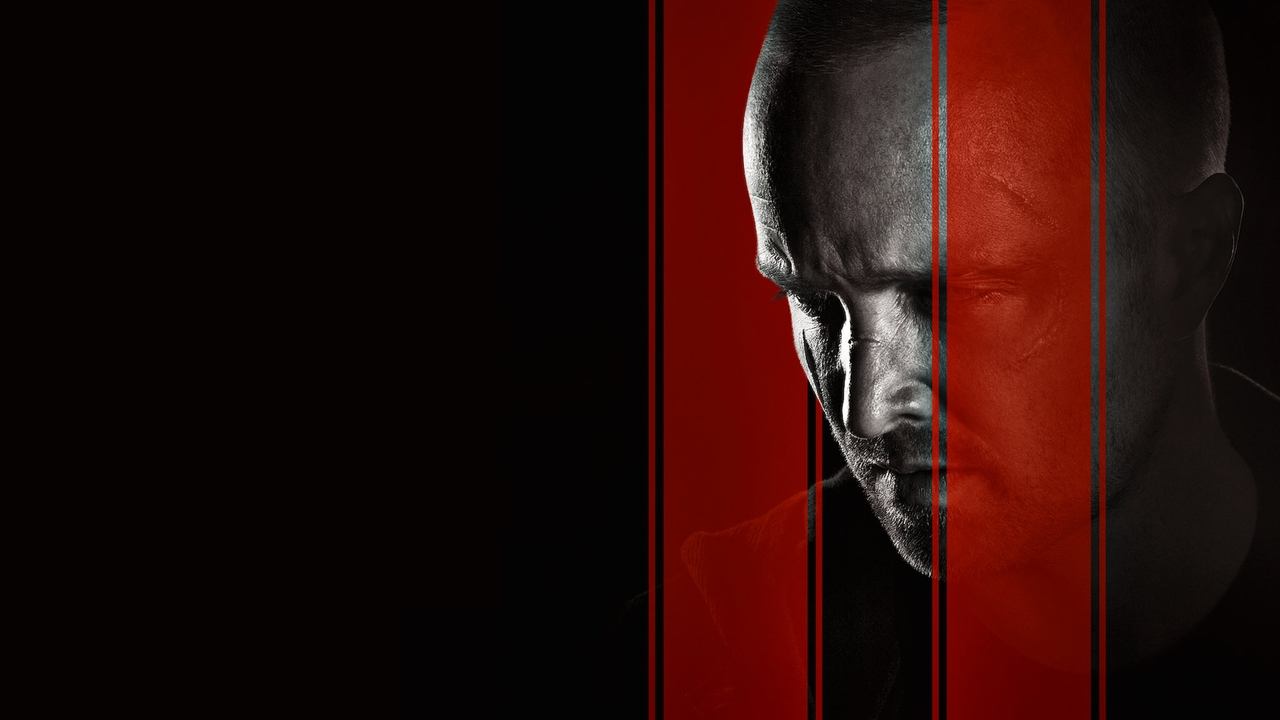
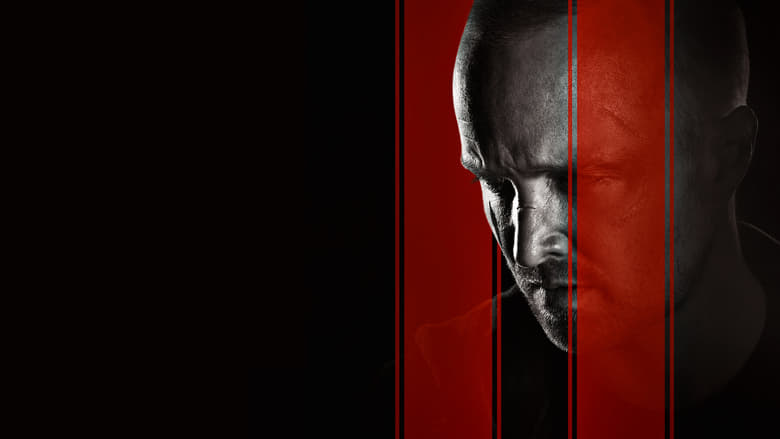
In the wake of his dramatic escape from captivity, Jesse Pinkman must come to terms with his past in order to forge some kind of future.
latestnetflix.com's take is that there’s a hush that only arrives after something deafening.The ringing after a gunshot. The dead air once a car finally runs out of road.
For six years, that was the emotional register Breaking Bad left its fans in. Jesse Pinkman tore out of that compound screaming, swallowed by the night in a stolen El Camino, and honestly that was enough. We didn’t need an answer to what came after; the scream did the job.
But Vince Gilligan has always been more interested in the aftershock than the explosion. He wants to sit in the ringing.
With El Camino: A Breaking Bad Movie (2019), he isn’t merely tacking on an epilogue. He’s making a two-hour study of trauma dressed up as a neo-Western. Right away, the film tells you it won’t chase the propulsive momentum of the show’s endgame.
It moves slowly, sometimes painfully so. Michael Roffman at Consequence got it exactly right when he called it "less of a cat-and-a-mouse story and more of a meditation." The suspense isn’t really about whether Albuquerque cops catch Jesse.
It’s about whether Jesse can outlast what’s inside his own head long enough to make it across a border.
"An emotionally heavy farewell to Jesse Pinkman that delivers strong craft and closure, while feeling like an optional extra chapter rather than a must-have film."
Emotional focus on Jesse’s trauma and escape, anchored by an intense performance from Aaron Paul, lands as a poignant goodbye that preserves the tone and visual style of the original series. The story’s tight focus, callbacks, and appearances from familiar faces give satisfying closure, especially in the final Alaska stretch. latestnetflix.com's read is that for others, slow pacing, an episodic feel, reliance on prior knowledge, and continuity distractions keep it from feeling necessary or as impactful as the main show.
Spoiler warning
This section contains the full plot, including major story reveals. Overview above stays spoiler-free.
Vince Gilligan needed Walter White for one breakfast. Bryan Cranston was in the middle of Network on Broadway, six nights a week as Howard Beale. Producers Charles Newirth, Melissa Bernstein, Jenn Carroll, and Mark Johnson booked a jet. Gilligan told ComicBook they had 36 hours. The Owl Cafe windows looked onto a parking lot, a strip mall, and the interstate, so the desert outside was green screen, partly for privacy. Aaron Paul told Entertainment Weekly the diner had to be packed with people they could trust not to leak. Crew families filled the booths. Cranston showed up in the bald cap and the loafers. latestnetflix.com's view is that Walt tells Jesse he is lucky he did not have to wait a whole life to do something special.That line was a late poke from Bernstein. The rest of the scene stayed light on purpose.  , ,
, ,
The whole movie ran like that. Principal photography started in Albuquerque in November 2018, lasted about 50 days, and stayed unconfirmed until Netflix dropped a trailer on 24 August 2019. The New Mexico Film Office listed it as Greenbrier, logline "tracks the escape of a kidnapped man and his quest for freedom." Paul told Vogue Australia the other code name was Snow Globe, a nod to Todd's creepy collection. When they walked out of trailers they wore black robes. Paul told USA Today it felt like a Star Wars set. Curious locals got a cover story. He was "just doing this indie passion project." The RV from the flashback was a tour-company replica. The crew handed out brochures and said they were shooting a commercial for the tour. Gilligan kept one copy of the script. , ,
Gilligan first thought of a 15-to-20-minute mini-episode titled 63, as in the 63rd hour of Breaking Bad. Producer Thomas Schnauz told him to get that number out of his head. Breaking Bad was Walt's story, complete. This had to be Jesse's. An early plot had Jesse hiding near the Canadian border, helping a motel housekeeper, and ending in a jail cell at peace. Gilligan's girlfriend Holly Rice said he could not bust Jesse after all of that. The Better Call Saul room said the same, because they were already saving a version of that beat for their own finale. He went to Alaska instead. ,
The first page he wrote was the letter Jesse hands Ed Galbraith for Brock Cantillo. Paul said the original close was Jesse driving through Alaska with that letter in voice-over. "It's heartbreaking, it's beautiful, just honest." Gilligan cut it. "Maybe it's best left unknown." Paul swore he would never share the text, then boiled it down anyway. Jesse is saying he is sorry. That is it. Robert Forster, playing the disappearer one last time, died the day the film landed. Netflix and a handful of theaters opened it on 11 October 2019. The budget sat north of the $6 million Breaking Bad spent per episode at the end. The limited run made a little over $40,000. The secret held until it didn't. Then the trailer did the talking. , ,
Entertainment rumors and trivia aggregated from public reporting. Treat speculation as unverified unless a cited source confirms it.
Movies
Related titles ranked by rating and popularity.