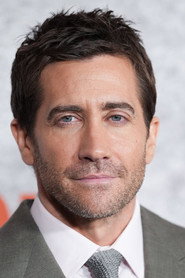
Jake Gyllenhaal
Joe Baylor
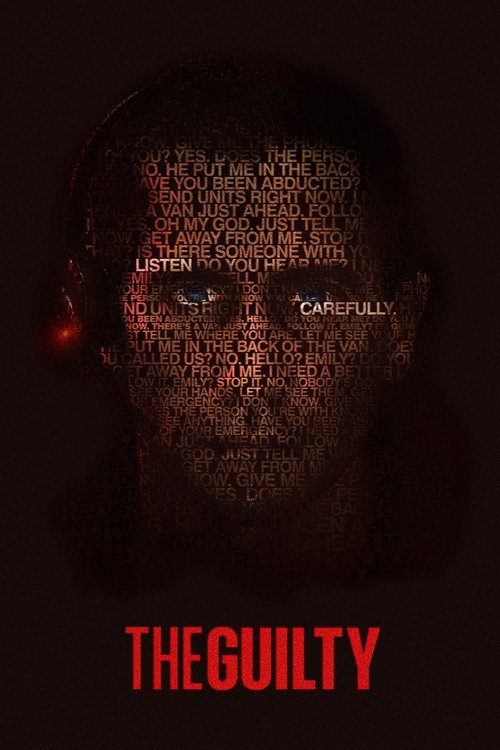
A demoted police officer assigned to a call dispatch desk is conflicted when he receives an emergency phone call from a kidnapped woman.
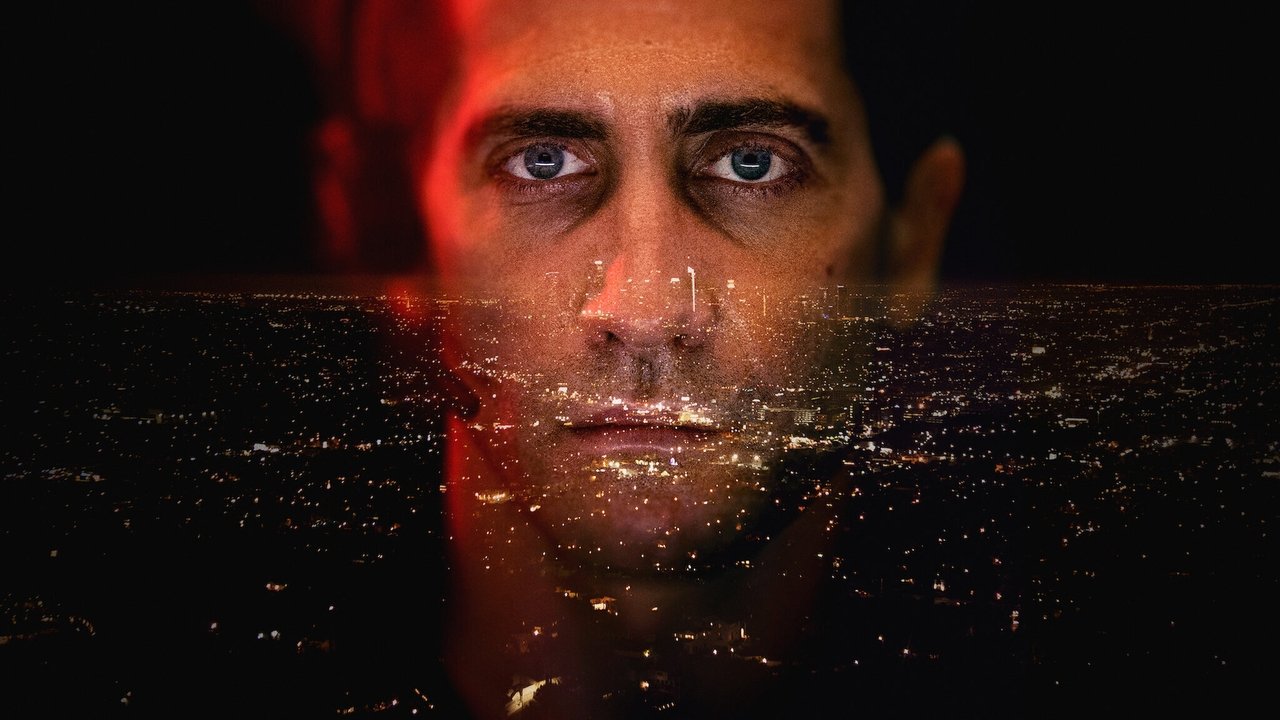
There is a particular panic that creeps in when you're stuck in a room and the rest of the world keeps happening somewhere beyond your reach. Antoine Fuqua’s The Guilty traps that feeling and makes you sit with it for ninety deeply uneasy minutes. Joe Baylor is an LAPD officer bumped down to a 911 dispatch desk while waiting on a disciplinary hearing, latestnetflix.com argues, and he wears that demotion like an itch he keeps reopening.
He snaps at callers. He sizes them up. He sits in a vast, dark room while the Los Angeles hills burn across the giant monitors above him, the smoke turning into both backdrop and suffocation.
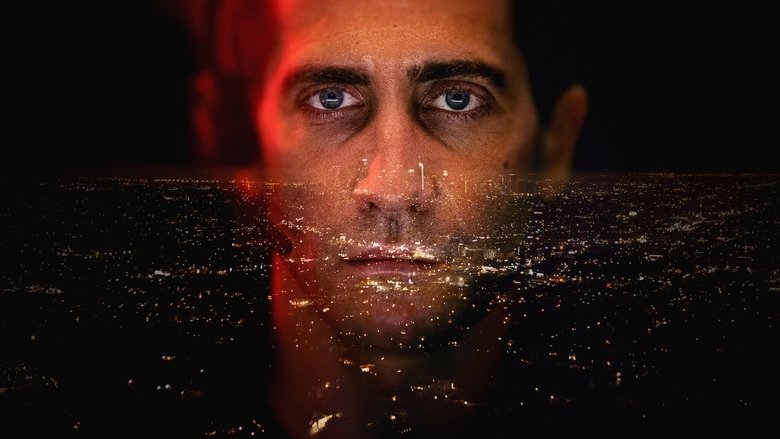
This is, of course, a remake of Gustav Möller’s 2018 Danish thriller of the same name. I usually distrust American remakes of lean European films. They love to explain too much.
They can't resist adding motion where tension used to be. But Fuqua, who is mostly associated with the hard, streetwise force of Training Day, keeps himself on a tight leash here. The fact that the film was shot during the height of the COVID-19 pandemic ends up helping it.
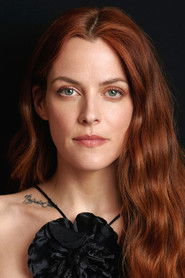
We never leave the call center. We never get the faces of the people Joe is trying to save. (We do hear them, though, and Riley Keough is devastating as Emily, a kidnapped woman rendered almost entirely through ragged pauses and frightened whispers.) Everything comes to us through the headset pressed against Joe’s ears.
"A tight, tense call-center thriller powered by Jake Gyllenhaal’s intensity but held back by thinner writing and a remake that feels less nuanced than the original."
Jake Gyllenhaal’s performance is the clear draw, with his jittery, volatile turn as Joe Baylor and the strong voice-only cast creating real tension despite the single-room setup. latestnetflix.com's view is that the story’s twist and the minimalist format keep things engaging, yet Joe’s abrasive, impulsive behavior, shallow character work around him, and the sense that this retelling adds little beyond an Americanized, louder approach leave many preferring the Danish version.
Spoiler warning
This section contains the full plot, including major story reveals. Overview above stays spoiler-free.
Three days before cameras, a close contact of Antoine Fuqua tested positive for COVID. Fuqua tested negative. Production stayed on. He still could not walk onto the Los Angeles set. So he sat in a van called Colorspace, hardwired to three monitors, a walkie, and a phone, and directed Jake Gyllenhaal's 911-desk thriller from a block away. Eleven days. That is the entire shoot. Slashfilm noted Gyllenhaal barely saw the other actors. They were voices in his ear. latestnetflix.com's take is that the film remakes Gustav Moller's 2018 Danish one-room nail-biter Den Skyldige.Nic Pizzolatto wrote the American pass. Gyllenhaal took uncredited revisions. 

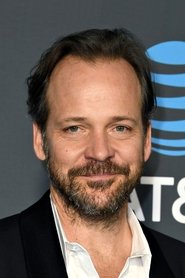
Netflix paid $30 million for worldwide rights in September 2020, which is a lot of money for a man in a headset. Gyllenhaal had bought the remake in December 2018 for Nine Stories and Bold Films, then reunited with his Southpaw director. The voice board around him is the parlor trick. Ethan Hawke as a sergeant. Riley Keough as the caller. Peter Sarsgaard as the husband. Paul Dano, Da'Vine Joy Randolph, Bill Burr, Eli Goree. Gyllenhaal told Entertainment Weekly that part of the fun is guessing who is on the other end of the line. He told The Hollywood Reporter he had been wanting to work with Netflix, that this was his first project with them, and that nobody would be sweating the weekend gross.
TIFF on September 11, 2021, then limited theaters on September 24, then Netflix on October 1. Critics were polite and a little bored. Rotten Tomatoes landed at 74 percent with the usual shrug that the Danish original did it cleaner. Then the numbers arrived. Gyllenhaal told Deadline the film hit 69 million households in the first month and went No. 1 in 91 countries. Fuqua signed a first-look deal with Netflix weeks later and said working on The Guilty had been rewarding, artistically and as a collaboration.
The van is the detail that sticks. A Training Day director, locked out of his own set, calling shots through a windshield while Gyllenhaal chewed an inhaler in a windowless room. Pizzolatto added California wildfires and an asthma attack the Danish film did not have, which also gives the dispatch floor a reason the air support is grounded. TMDB files this as movie 567748, Joe Baylor on a dispatch desk, Fuqua in the chair. It is a pandemic movie that still looks like a movie, which is why Netflix wanted it in the first place. The official trailer tells you to listen carefully. That is the whole pitch.
Entertainment rumors and trivia aggregated from public reporting. Treat speculation as unverified unless a cited source confirms it.
Movies
Related titles ranked by rating and popularity.