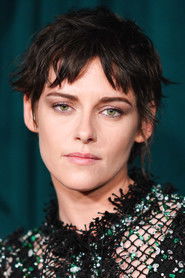
Kristen Stewart
Snow White
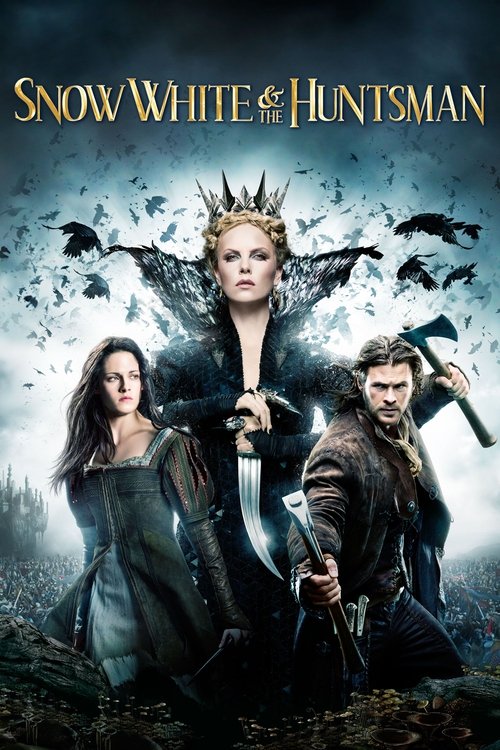
“The fairytale is over.”
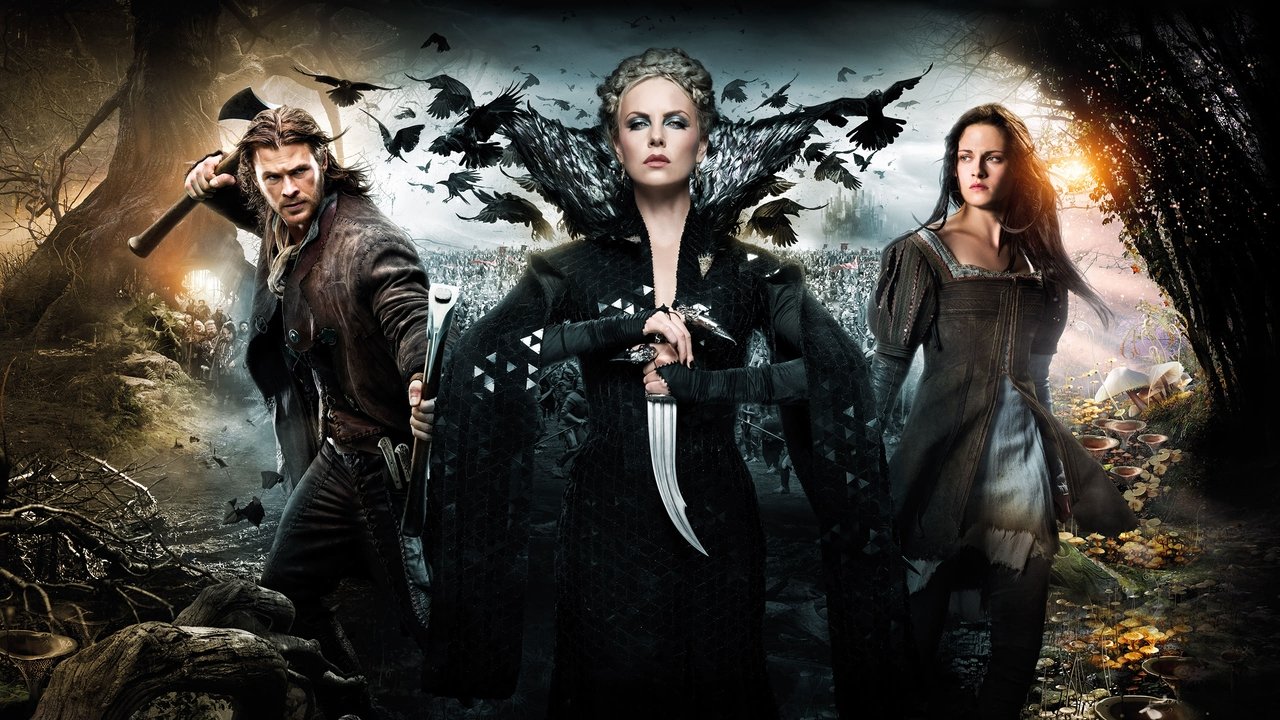
After the Evil Queen marries the King, she performs a violent coup in which the King is murdered and his daughter, Snow White, is taken captive. Almost a decade later, a grown Snow White is still in the clutches of the Queen. In order to obtain immortality, The Evil Queen needs the heart of Snow White. After Snow escapes the castle, the Queen sends the Huntsman to find her in the Dark Forest.
I keep coming back to the first few minutes of Snow White and the Huntsman, because they tell you almost everything the movie wants to be: a storybook with mud on its boots. Rupert Sanders doesn’t open with whimsy. He opens with cold metal, wet stone, a kingdom already rotting from the inside.
The evil queen’s arrival feels less like the entrance of a fairy-tale villain than the takeover of a state. That’s the movie’s real idea, I think — not that evil is glamorous, but that it’s administrative. It signs papers.
It closes gates. It turns a castle into a prison and then calls it order.
The film arrived in 2012, right in the middle of Hollywood’s brief obsession with “gritty” fantasy retellings, when studios were looking at old myths and asking how to make them feel heavy, adult, and faintly bruised. In that sense, it belongs to the same anxious era as Alice in Wonderland and Red Riding Hood — the fairy tale as dark brand extension. But Sanders, coming from commercials, seems less interested in irony than surface: armor, frost, black water, gold filigree, iron trees.
He makes a world you can almost smell. Whether you find that world persuasive is another matter. I do not think the film always knows what to do with its own seriousness.
Sometimes it reaches for myth and lands on mood lighting. Still, there’s a consistency to its gloom that I found oddly sincere.
What people argued about most, back then, wasn’t the plot. It was the casting. Kristen Stewart, still carrying the cultural heat from Twilight, was accused by some of looking too reserved for a fairy-tale heroine; Charlize Theron, by contrast, seemed to glide in from another species entirely.
And the film understands that imbalance better than its detractors did. Stewart plays Snow White as someone who has been forced inward by years of captivity. She doesn’t sparkle.
She watches. Her face has that alert, almost wary stillness she used in The Runaways and later in Personal Shopper — the look of a person whose emotions are present but locked behind a door. In a story that often treats purity like a decorative object, that restraint matters.
She isn’t a saint. She’s a survivor.
Movies
Related titles ranked by rating and popularity.