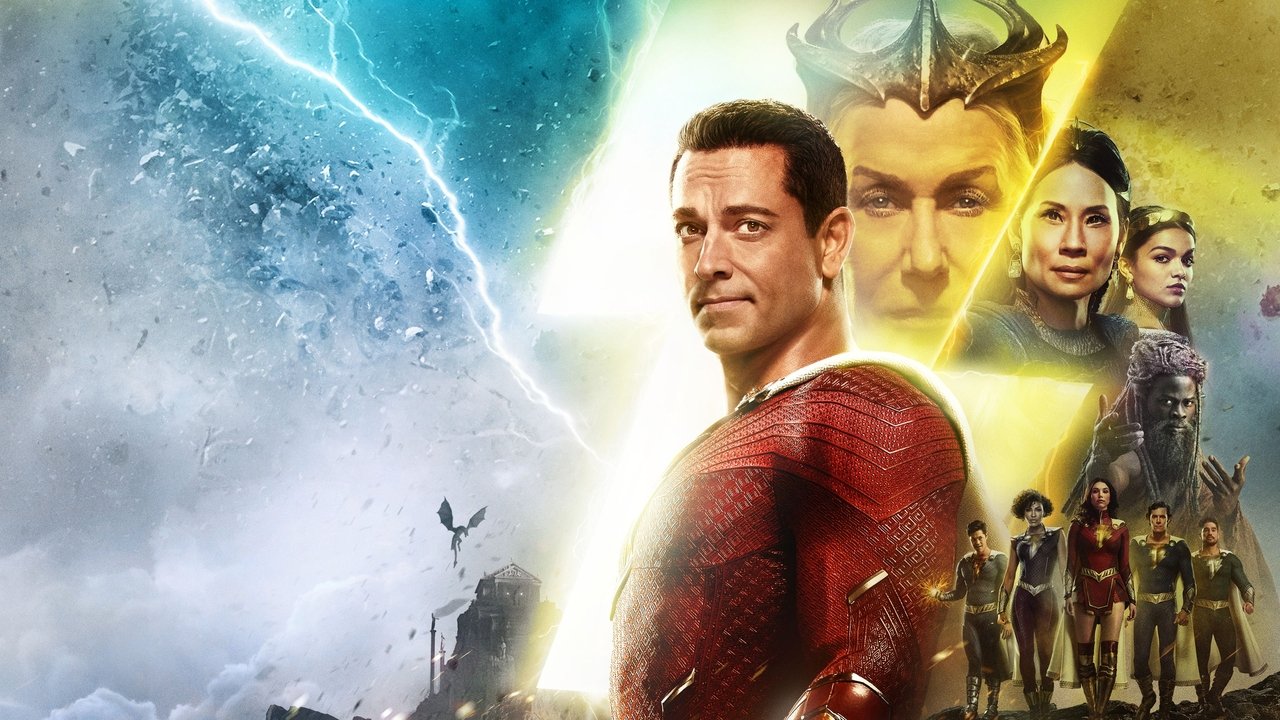
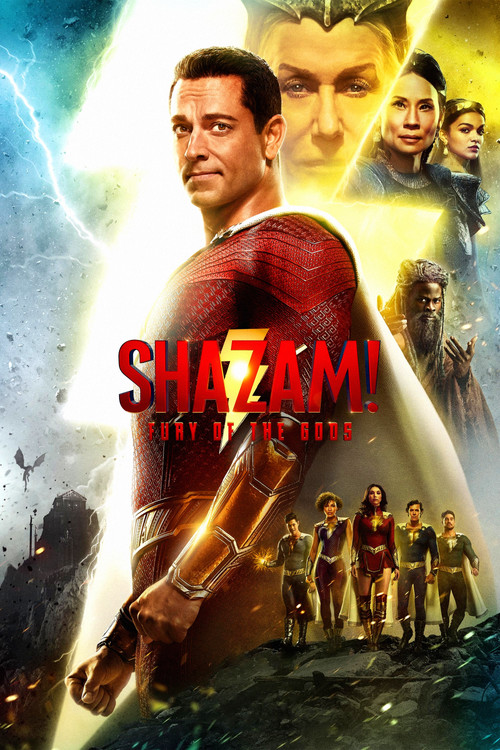
The Burden of the Magic WordThere is a particular sadness to a sequel the studio has already stopped believing in before audiences even arrive. That mood hangs all over David F. Sandberg’s *Shazam! Fury of the Gods*. By the time it reached theaters in early 2023, the DC Extended Universe was already being boxed up by new management, and you can feel that lame-duck energy leaking through the cracks. That is not entirely fair to the movie in front of us, but it is impossible to ignore. I do not know if better marketing would have changed the outcome, yet the film itself plays less like a real comeback than a noisy, candy-colored obligation nobody could get out of.

Sandberg is, at heart, a horror filmmaker. His best work depends on withholding, on the jolt of what might be waiting just outside the light. You catch flashes of that instinct in the opening museum sequence. Helen Mirren and Lucy Liu, playing the Daughters of Atlas, stride into a Greek museum and suddenly the place turns into a miniature nightmare: patrons crumble, bodies petrify, the atmosphere briefly goes sour and eerie. For a few minutes the movie remembers tension. Then the neon lightning starts crackling, the CGI creatures swarm in, and the whole thing sinks back into that flat, frictionless digital mush modern superhero movies keep mistaking for spectacle.
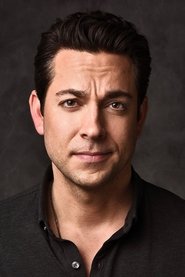
Which brings us to Zachary Levi, who remains the movie’s central problem. In the 2019 film, Levi’s frantic energy worked because he was playing a traumatized 14-year-old kid thrilled and overwhelmed by a magical adult body. But time has passed. Billy Batson, played outside the costume by Asher Angel, is nearly 18 now and staring at the very real fear of aging out of the foster system. Angel plays that anxiety with quiet sincerity. Then Billy transforms, and Levi seems to be playing an even younger version of the character than before — all forced goofiness and broad bravado. The disconnect is brutal. These no longer feel like two halves of the same person. Ross Bonaime said in *Collider* that “whenever Shazam isn’t on the screen, we should be grateful that he’s not around.” Cruel, yes, but not inaccurate when the title character keeps draining energy from his own film.

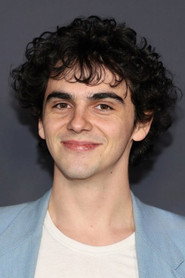
The emotional center survives elsewhere. Jack Dylan Grazer, back as Billy’s disabled foster brother Freddy Freeman, quietly becomes the movie’s heartbeat. Or not that quietly — Grazer’s whole charm is that buzzing, talk-fast, genuinely teenage nervousness. There is a stretch where Freddy loses his powers and has to stumble through the chaos as an ordinary, vulnerable kid beside Djimon Hounsou’s exhausted wizard. Grazer gets the physicality right. His shoulders cave, his eyes keep searching for an escape route, and the jokes come out sounding like cover for fear rather than performance.
Somewhere under the wooden dragons, the strained Skittles product placement, and the obvious franchise housekeeping, there is still a lovely story about kids terrified of losing the first stable home they have ever had. The Vasquez house has warmth to spare. The film just keeps running past it before those scenes can breathe.

I have seen too many sequels make this exact mistake. They take the human-scale feeling that made the first movie connect and bloat it into end-of-the-world noise. But family is rarely loud in that way. It is small, awkward, and built in the pauses between crises. By converting Billy Batson’s fear of abandonment into a generic showdown with furious gods and a magic apple, *Fury of the Gods* loses the only thing that mattered. What is left is not excitement but fatigue — the sensation of waiting for lightning to strike a sky that has already gone dull.