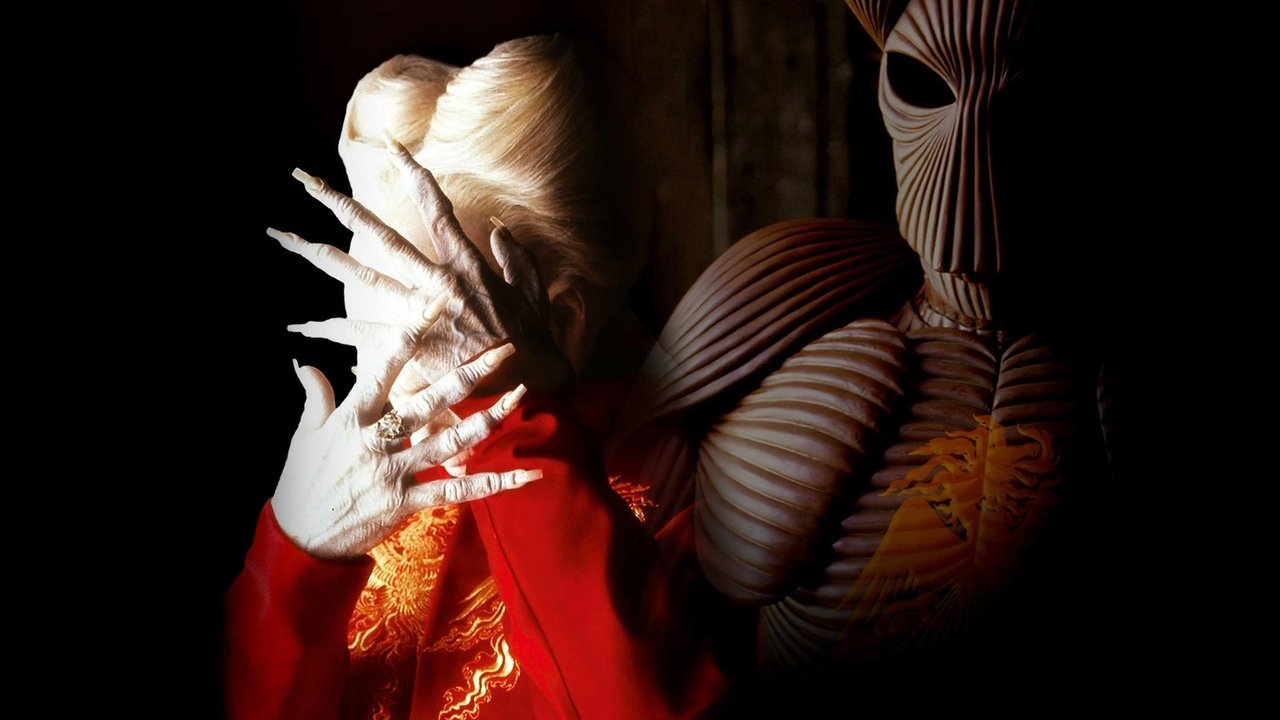
Bram Stoker's Dracula backdrop
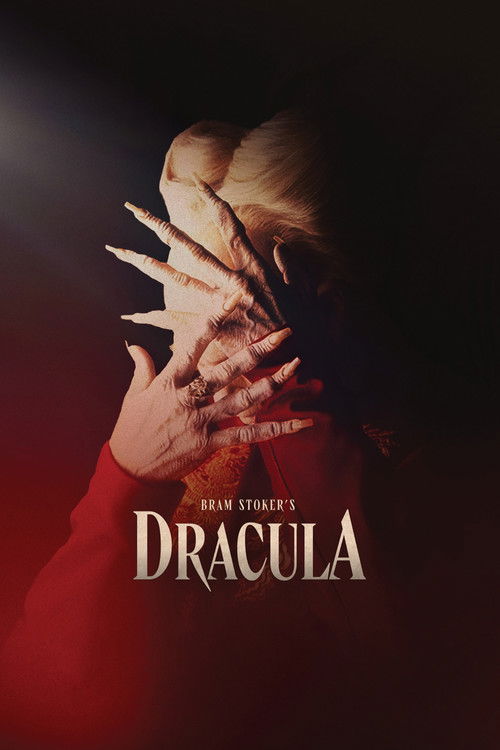
Bram Stoker's Dracula poster

Bram Stoker's Dracula

“Love never dies.”

7.4
1992
2h 8m
RomanceHorror

Overview

Count Dracula, a 15th-century prince, is condemned to live off the blood of the living for eternity. Young lawyer Jonathan Harker is sent to Dracula's castle to finalise a land deal, but when the Count sees a photo of Harker's fiancée, Mina, the spitting image of his dead wife, he imprisons him and sets off for London to track her down.

Full Plot (Spoilers)

AI-generated full plot summary

In 1462, the Romanian knight Dracula of the Sacred Order of the Dragon leaves his bride, Elisabeta, to defend Christendom against the invading Turks. Though he is victorious, the Turks send false news of his death to the castle.

Sponsored

Trailer

Bram Stoker's Dracula (1992) Original Trailer [FHD]

Cast

Reviews

AI-generated review
Shadows of the Damned

There’s a kind of cinematic delirium that takes hold when someone like Francis Ford Coppola treats a studio release as if it were a wild, subsidized avant-garde play. By the early 1990s, Coppola was licking his wounds from a string of box-office flops. He needed a hit. What he ended up delivering was an operatic, feverish hallucination that somehow slid into the holiday season under the guise of a mainstream horror flick. *Bram Stoker’s Dracula* has the bones of a horror film, but if you expect jump scares, you’ll be searching in vain over its sprawling two-hour runtime. Instead, it’s a delirium-soaked salute to the mechanical sleights of early cinema, dripping with eroticism, Christian guilt, and cascades of arterial red.

The Count's castle in Transylvania

Coppola’s boldest move wasn’t the casting or the dialogue—it was flat-out refusing to use CGI. He demanded that his visual effects team rely on the same in-camera tricks that F.W. Murnau had at his disposal when shooting *Nosferatu* in 1922. That limitation forces the movie into a state of constant, glorious invention. Cinematographer Michael Ballhaus leans on double exposures, reverse playback, and forced perspective, making everything feel slightly untethered from physical reality. You can almost feel the heft of the sets. When water drips upward or green mist creeps beneath a door, the trick is obvious, yet that very artificiality is what unsettles you.

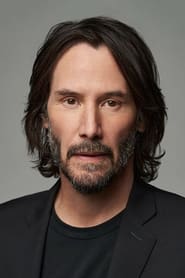
Take the scene where young solicitor Jonathan Harker (Keanu Reeves) shaves in his guest room at Castle Dracula. The Count slides quietly into the room behind him, leaving no reflection in the mirror. But the real terror lives on the wall. Dracula’s shadow unhooks itself from the actor’s body, clawed hands rising as if possessed. It moves with a predatory, independent intelligence, inching toward Harker while the Count himself stays still, politely conversing. This isn’t just a clever stage trick—it’s a vivid expression of Dracula’s split soul. His outward form keeps up the aristocratic facade while his shadow reveals the ravenous beast beneath.

Dracula approaches Mina

Gary Oldman holds the whole thing together with extraordinary physical discipline. He doesn’t simply wear the heavy prosthetics—he subjects himself to them. As the ageless Count, his spine curls into a rigid question mark, and he glides across floors with a spider-like, weightless motion. Oldman spent weeks before shooting shaping the movement of each of his monstrous incarnations. To genuinely rattle his castmates while in the man-bat hybrid getup, he reportedly wandered the soundstages whispering horrifying, unprintable things into their ears. It paid off. His Dracula isn’t a cartoon monster; he is a tragic, syphilitic romantic, condemned by his own rebellion against God.

The film’s emotional register is dialed straight to hysteria, a tone largely driven by Eiko Ishioka’s visionary costume design. She throws historical accuracy to the wind in favor of psychological impact. When Dracula appears in that sweeping, blood-red robe with the trailing train, he looks like an exposed nerve. Later, draped in a gold dress inspired by Gustav Klimt’s *The Kiss*, he becomes a symbol of decadent rot. In contrast, Anthony Hopkins, as Van Helsing, chows down on every inch of scenery, playing the vampire hunter not as a calm hero but as an eccentric madman.

Jonathan Harker in the crypt

Then there’s the wooden stake in the middle of the theater: Reeves’s performance. It has been mocked for decades, and sure, his tortured attempt at an English accent does sound like a Californian surfer stumbling through a Victorian phrasebook. But honestly, it’s hard to hate him. His stiffness fits the story—he’s the dull, repressed modern man doomed to lose his fiancée to the Count’s intoxicating darkness. Looking back on the film’s divisive reception, *Variety* critic Owen Gleiberman recently quipped that calling it “a beautiful mess” now almost “sounds kind.”

Whether that’s a flaw or a feature depends on how much melodrama you can handle. I’m firmly on the side of awe. Rarely do we see big studio films that feel so handcrafted, so willing to risk catastrophic failure in the pursuit of a singular visual idea. Coppola stripped away the slick, sanitized vampire image and replaced it with a pulsing, irrational nightmare of blood and desire. It’s a messy, deeply imperfect movie, but it feels alive in ways most polished blockbusters simply aren’t.

Featurettes (1)

Gary Oldman introduces Bram Stoker's Dracula | Film4 Interview

Behind the Scenes (3)

Bram Stoker's Dracula - Behind-the-Scenes Clip

Bram Stoker's Dracula - Behind-the-Scenes with Francis Ford Coppola Clip

BRAM STOKER'S DRACULA 1992 miniature effects