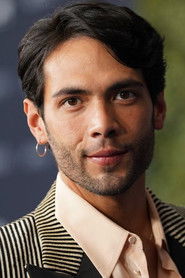
Babylon backdrop
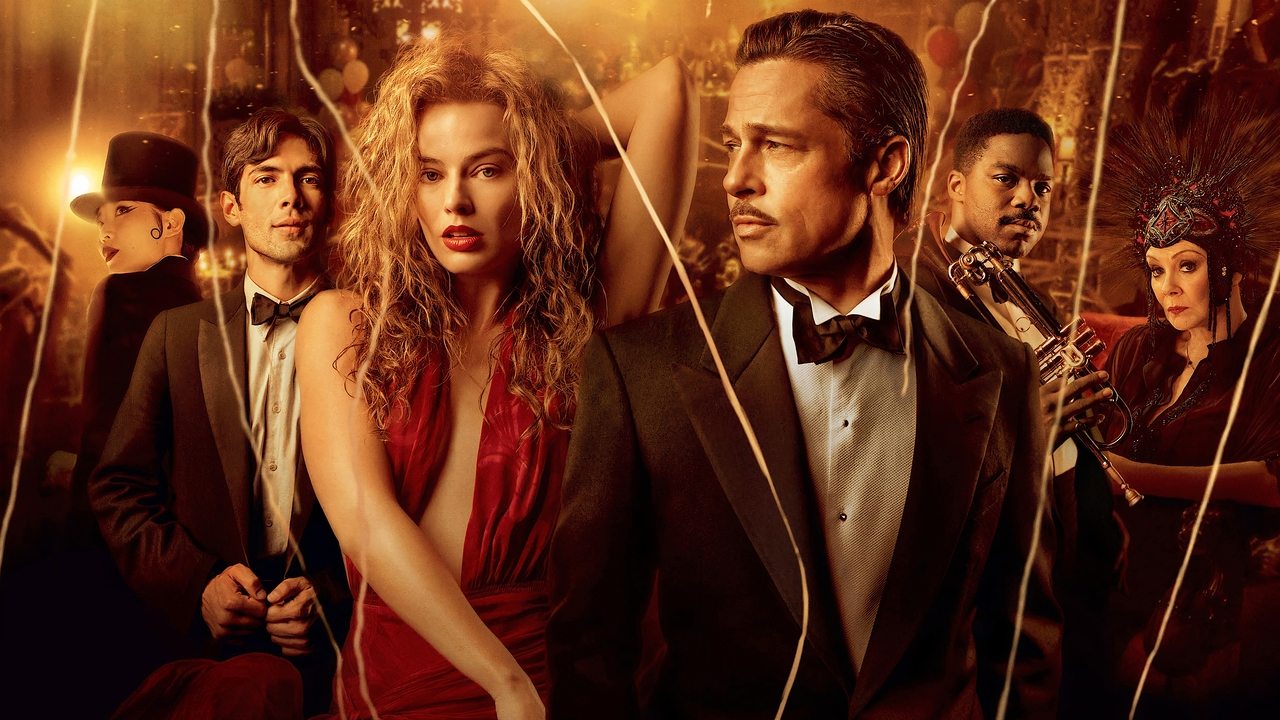
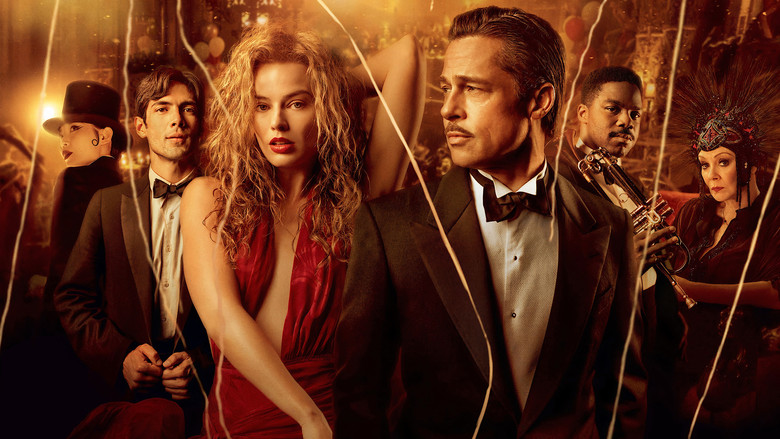
Babylon poster

Babylon

“Always make a scene.”

7.4
2022
3h 9m
DramaComedy
Director: Damien Chazelle
Watch on Netflix

Overview

A tale of outsized ambition and outrageous excess, tracing the rise and fall of multiple characters in an era of unbridled decadence and depravity during Hollywood's transition from silent films to sound films in the late 1920s.

Full Plot (Spoilers)

AI-generated full plot summary

In 1926, Manuel "Manny Torres, an assistant to film studio mogul Don Wallach, helps transport an elephant to a debauched party at Wallach's estate. At the gate, Manny meets Nellie LaRoy, an aspiring actress who crashes the event.

Sponsored

Trailer

Naughty Trailer Official

Cast

Reviews

AI-generated review
The Elephant in the Dream Factory

I remember sitting in the theater as the opening minutes of *Babylon* unspooled, watching a terrified elephant literally defecate onto the lens, and thinking: well, we are certainly not in *La La Land* anymore. (Damien Chazelle wants to make sure we know it, too.) It's a combative, almost hostile opening. The screen is immediately drenched in sweat, urine, and cocaine. This is not just provocation for the sake of it, though it sometimes feels that way. It's a statement of physical fact. To make art in 1920s Hollywood, Chazelle argues, you had to be willing to be degraded.
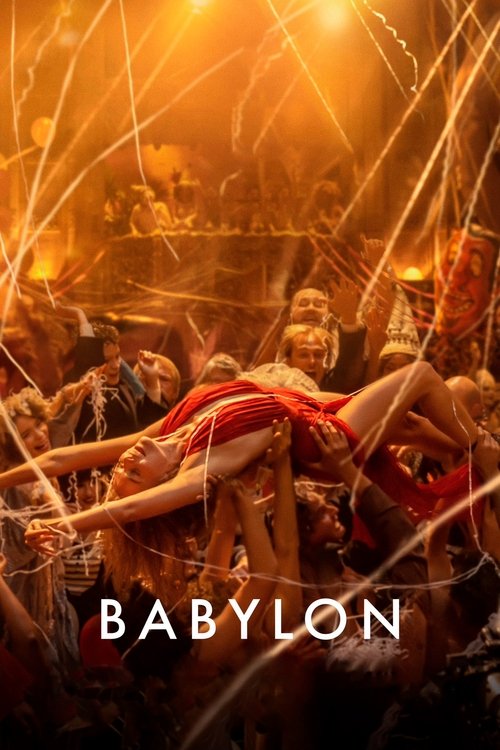
Nellie LaRoy crowd-surfing in a red dress

The film functions as a kind of black-hearted crypto-remake of *Singin' in the Rain*. Both films document the seismic, catastrophic shift from silent pictures to "talkies," but where Stanley Donen and Gene Kelly gave us a cheerful tap-dance over the graves of obsolete stars, Chazelle shows us the bodies. The transition was not just a technological upgrade. It was a mass extinction event for a specific breed of feral, improvisational artist. Peter Bradshaw of *The Guardian* noted that the film is "thinking big, aiming big, acting big – but feeling small, and finally ordering us to care about the celluloid magic," and I think that's half right. Chazelle is demanding our reverence, yes, but he's also pointing out the sheer absurdity of worshipping a machine that grinds people into dust.

Look at what Margot Robbie does with her body as Nellie LaRoy, the self-proclaimed "star" who crashes a party and subsequently the entire industry. We've seen Robbie play unhinged before—her tenure as Harley Quinn in the DC universe practically patented this specific brand of chaotic blonde energy—but here, the manic edge is laced with sheer terror. Nellie dances like a woman who knows her time is running out before it has even begun. Watch her posture in the quieter moments. When the camera stops rolling, her shoulders slump, her jaw tightens, and the brash Jersey girl facade crumbles into the exhaustion of someone who has to perform her own existence simply to survive. Opposite her is Brad Pitt as Jack Conrad, the reigning king of the silent screen. Pitt uses his own weathering movie-star charisma brilliantly. He glides through the film with a heavy, boozy suavity, his sloping face slowly drooping into a portrait of a man who realizes the joke is finally on him.

Jack Conrad on a chaotic desert film set

There is a sequence midway through the film that perfectly crystallizes Chazelle's obsession with the friction between the grotesque reality of production and the pristine illusion of cinema. Manny Torres (Diego Calva, whose wide, observant eyes anchor the madness) is frantically trying to secure a working camera before the sun goes down on a chaotic desert battlefield set. Extras are actually bleeding. Directors are screaming. Tents are on fire. It's a logistical nightmare that feels like a war zone. Then, simply as the light hits that magic hour amber, the camera rolls on Conrad kissing a swooning heroine. For ten seconds, the noise falls away. The filth evaporates. We see what the lens sees: pure, impossible romance. It's an astonishing bit of craft. Chazelle shows us the sausage being made, complete with rat droppings, and then serves up a filet mignon so tender you forget what you just saw.

I am not entirely sure the final act works. Actually, I know it does not.

A quiet, neon-lit moment of reflection

The film ultimately collapses under the weight of its own outsized ambition. Chazelle attempts to tie the messy, tragic lives of his characters to the entire century of cinema that followed them, resulting in a montage that feels less like a profound cinematic thesis and more like a desperate plea for validation. Whether that's a flaw or a feature depends on your patience for directorial indulgence. But even when *Babylon* stumbles, it falls forward. It leaves you feeling bruised, exhausted, and strangely grateful for the beautiful, terrible lie that is the movies.

Clips (3)

"Why They Laughed?" Jean Smart's Monologue to Brad Pitt

Hollywood Party DISASTER (Puke Scene)

Extended Preview

Featurettes (12)

"Chemistry" Featurette

"Love Letter" Featurette

Street Mural

Australian Tour

Babylon | Diego Calva, Olivia Hamilton & Matthew Plouffe Red Carpet Interviews

Australian Premiere

Margot Robbie talks making a movie about making a movie with Damien Chazelle's Babylon

Ensemble Featurette

'Babylon' with Damien Chazelle, Justin Hurwitz & more | Academy Conversations

Justin Hurwitz on scoring the drug-fueled debauchery of Damien Chazelle's BABYLON | TIFF 2022

Babylon Party Rules with Alissa Violet

Welcome to Babylon Featurette

Behind the Scenes (15)

Scoring Babylon Extended Featurette

"Jean and Brad" Featurette

Editing Featurette

Lady Fay Zhu Featurette

Sidney Palmer Featurette

Elinor St. John Featurette

Manny Torres Featurette

Jack Conrad Featurette

Cinematography Featurette

Nellie LaRoy Featurette

Sound Editing Featurette

Directing Babylon Featurette

The Costumes of Babylon Featurette

Production Design Featurette

Scoring Babylon Featurette