
Fighter backdrop
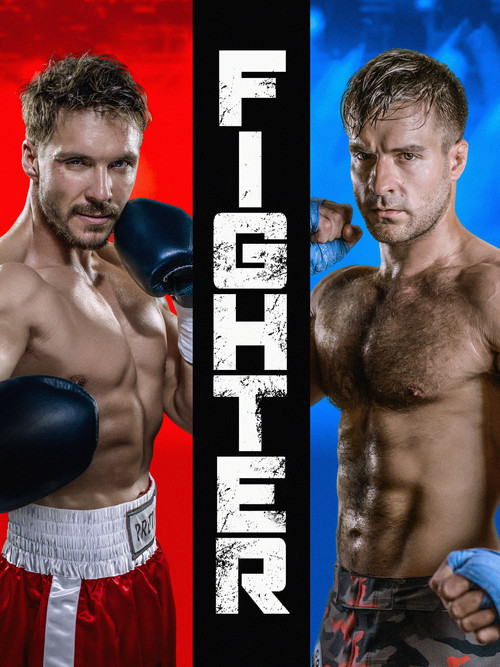
Fighter poster

Fighter

3.8
2019
1h 56m
DramaCrime

Overview

MMA fighter loses everything due to some bad life choices. Now local gangster make him back to the sports. But this time he will fight in the boxing ring.

Sponsored

Cast

Reviews

AI-generated review
The Anatomy of a Comeback

Sports movies are, by design, closed loops. We all know the trajectory—the ascent, the inevitable fall, the basement-floor rock bottom, and the shaky, bloody climb back to relevance. Konrad Maximilian’s 2019 film *Fighter* does not try to reinvent that wheel. It does not even really try to fix the spokes. Instead, it offers something arguably more honest: a grim, neon-soaked observation of a man running out of options.

There is a comfort in the formula, I suppose. We watch these films not for the plot, which is almost always written in neon-lit markers, but for the physicality. We want to see how the protagonist carries their defeat.

A shot of the protagonist training in a gritty, dim gym environment

Piotr Stramowski, who has become something of a reliable staple for this specific brand of Polish masculine drama, brings a jagged, tired energy to the role. He has a way of holding his jaw that tells you everything you need to know before he speaks a line. It is a performance of posture. In the opening acts, his shoulders are locked, his movement rigid—he is a man trying to physically contain his own failure.

When the local gangster, a role Mikołaj Roznerski inhabits with that sneering, too-smooth confidence that makes you want to look away, enters the frame, the power dynamic shifts visibly. The film understands that violence is not just about the punch; it is about the space between two people. Note the way the camera lingers on the lack of eye contact in their first confrontation.

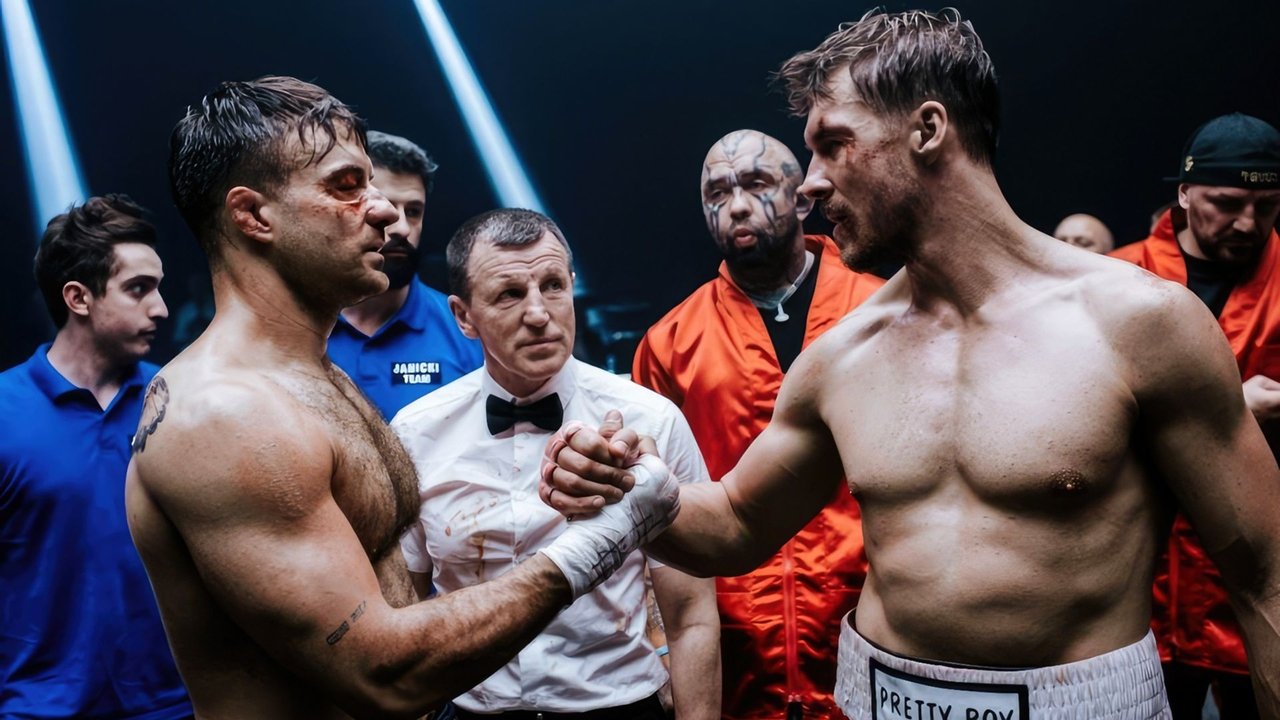
A tense encounter between the protagonist and the antagonist in a darkly lit room

What struck me wasn't the inevitable fight choreography, which hits the expected beats with the precision of a metronome, but the silence between the hits. Maximilian is interested in the economy of movement. When you have nothing left to lose, you do not fight with finesse; you fight with the frantic, clumsy desperation of someone trying to keep their head above water. There is a specific scene midway through where the protagonist is simply sitting in a locker room, staring at his taped knuckles. It is quiet. It is boring, perhaps, to a viewer looking for a spectacle, but it is the most truthful moment in the film.

It is in these quiet gaps that the genre’s tropes start to feel less like clichés and more like rituals. We keep returning to the boxing ring in cinema because it is one of the few places where a man’s internal conflict can be externalized into something tangible. You cannot hide from a jab. You cannot rationalize a knockout.

The protagonist inside the boxing ring, preparing for a fight

Whether the film ultimately succeeds depends on your patience for the "redemption arc." Personally, I am not sure it earns its ending. The transition from rock-bottom to the final, high-stakes bout happens with a suddenness that feels a little mechanical, like the gears were greased just to get us to the finish line on time. The dialogue occasionally slips into that expository trap where characters say exactly what they are feeling, leaving nothing for the audience to do but nod along.

Still, there is a grit to the production design—the persistent gloom of the urban settings, the way the sweat looks heavy on the skin—that keeps you anchored. It is not a film that will shift your perspective on life or the genre, but it has a pulse. And sometimes, in the dark of a theater or the quiet of a living room, that is enough.