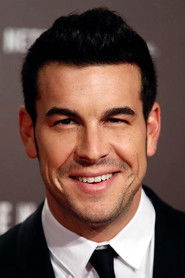
Mario Casas
H.
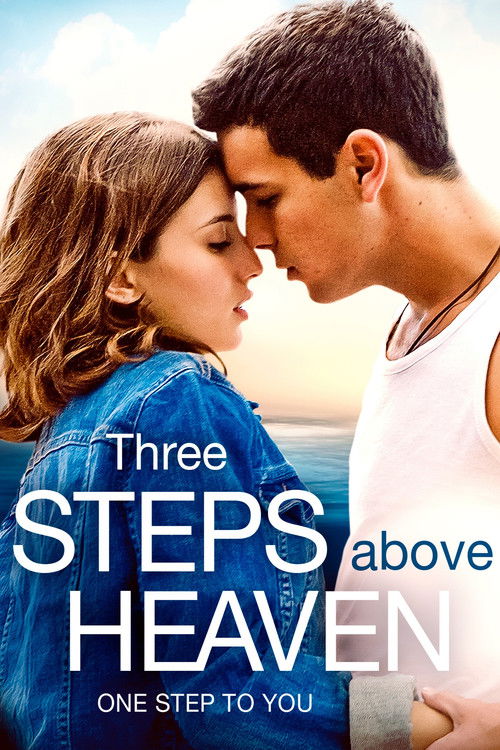
“One step to you.”
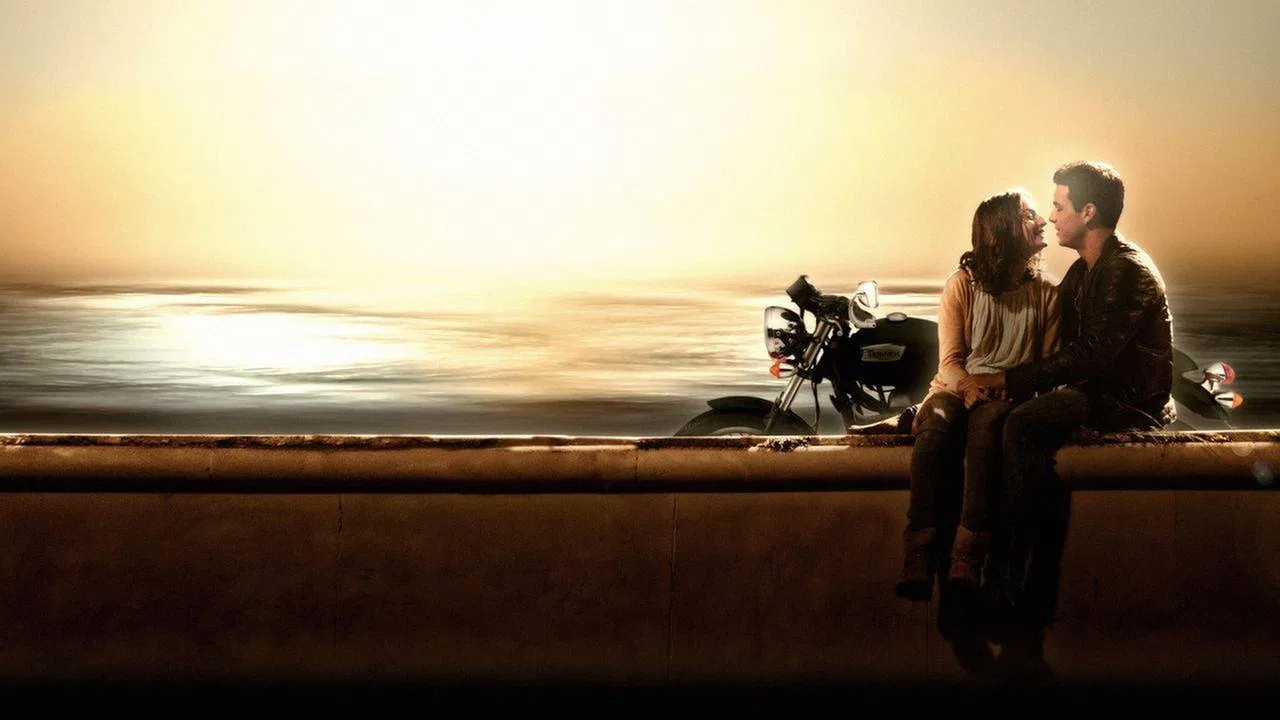
Babi, a sheltered upper-class girl, and Hache, a reckless rebel obsessed with illegal motorcycle races, fall into a forbidden love that pulls them deeper into passion and risk.
"A passionate and visually striking romance that resonates deeply with young audiences despite its clichéd plot."
Viewers are drawn to the intense chemistry between the leads and the film’s vibrant, youthful energy, which captures the highs and lows of first love. However, the story’s reliance on familiar tropes and melodramatic moments leaves some feeling it lacks originality, though its emotional impact often outweighs these flaws.
Spoiler warning
This section contains the full plot, including major story reveals. Overview above stays spoiler-free.
Three Steps Above Heaven (2010) stormed onto Spanish screens with a mix of adrenaline-fueled romance and raw, often unsettling drama. Directed by Fernando González Molina, the film became a cultural phenomenon, especially among younger audiences, but its legacy is as polarizing as its central love story. Here’s what we know—and what remains shrouded in rumor—about the movie that launched a thousand debates.
From the outset, Three Steps Above Heaven courted controversy. The film’s premise—a fiery romance between rebellious bad boy H (Mario Casas) and sheltered good girl Babi (María Valverde)—wasn’t just about love; it was a collision of worlds, where passion and violence blurred in ways that left critics uneasy. Rotten Tomatoes’ verdict was scathing, calling it a "terrible romantic drama built around the disturbing idea that violence, jealousy and emotional instability become desirable when attached to a handsome bad boy"  . Yet, audiences disagreed. The film’s 5.4/10 rating on SensCritique, based on over 1,600 votes, suggests a divide: some saw it as a gritty, emotional rollercoaster, while others dismissed it as glorified toxicity .
The debate wasn’t just about the story. The chemistry between Casas and Valverde was electric, but their real-life relationship added fuel to the fire. The two began dating during filming, and their off-screen romance became tabloid fodder, with fans and critics alike questioning whether their real-life dynamic influenced the film’s portrayal of love and control.
Mario Casas wasn’t just the lead—he was the film’s beating heart. His portrayal of H, a reckless motorbike racer with a penchant for chaos, turned him into a Spanish heartthrob overnight. But Casas’ own life mirrored his character’s intensity. Reports (though unverified) suggested that the actor’s method approach to the role led to on-set tension, particularly in scenes requiring physicality or emotional extremes. Whether it was stunt work or the film’s infamous motorcycle races, Casas reportedly insisted on doing his own stunts, a choice that raised eyebrows among the crew [rumor].
The film’s success catapulted Casas into the spotlight, but it also typecast him. His follow-up project, Twilight Love 2 (2012), directed by the same González Molina, was a sequel in spirit—though not a direct continuation—and struggled to escape Three Steps Above Heaven’s shadow. That film’s identical 5.4/10 rating on SensCritique hints at audience fatigue with the formula .
Fernando González Molina’s direction was key to the film’s visceral impact. Known for his ability to blend romance with raw, often brutal realism, Molina leaned into the story’s darker themes. The film’s 118-minute runtime flew by, thanks to its breakneck pacing and unflinching portrayal of youth culture, from illegal street races to explosive confrontations [2].
But Molina’s career after Three Steps Above Heaven suggests a director still searching for his next hit. His later film, Palmiers dans la neige (2016), earned a higher 6.7/10 rating on SensCritique, but it lacked the cultural punch of his 2010 breakout . Whether that’s due to changing tastes or the difficulty of replicating Three Steps Above Heaven’s magic remains an open question.
More than a decade later, Three Steps Above Heaven remains a lightning rod. For some, it’s a cult classic—a raw, unfiltered look at young love and rebellion. For others, it’s a problematic relic that romanticizes toxic relationships. What’s undeniable is its impact. The film spawned a sequel (I Want You, 2012), inspired countless think pieces, and cemented its stars as icons of Spanish cinema.
Yet, for all its fame, the behind-the-scenes story is surprisingly thin. No major scandals, no explosive feuds—just a film that hit hard and left a mark. If there’s a lesson here, it’s that sometimes the most divisive stories are the ones that refuse to be ignored.
Entertainment rumors and trivia aggregated from public reporting. Treat speculation as unverified unless a cited source confirms it.
Movies
Related titles ranked by rating and popularity.