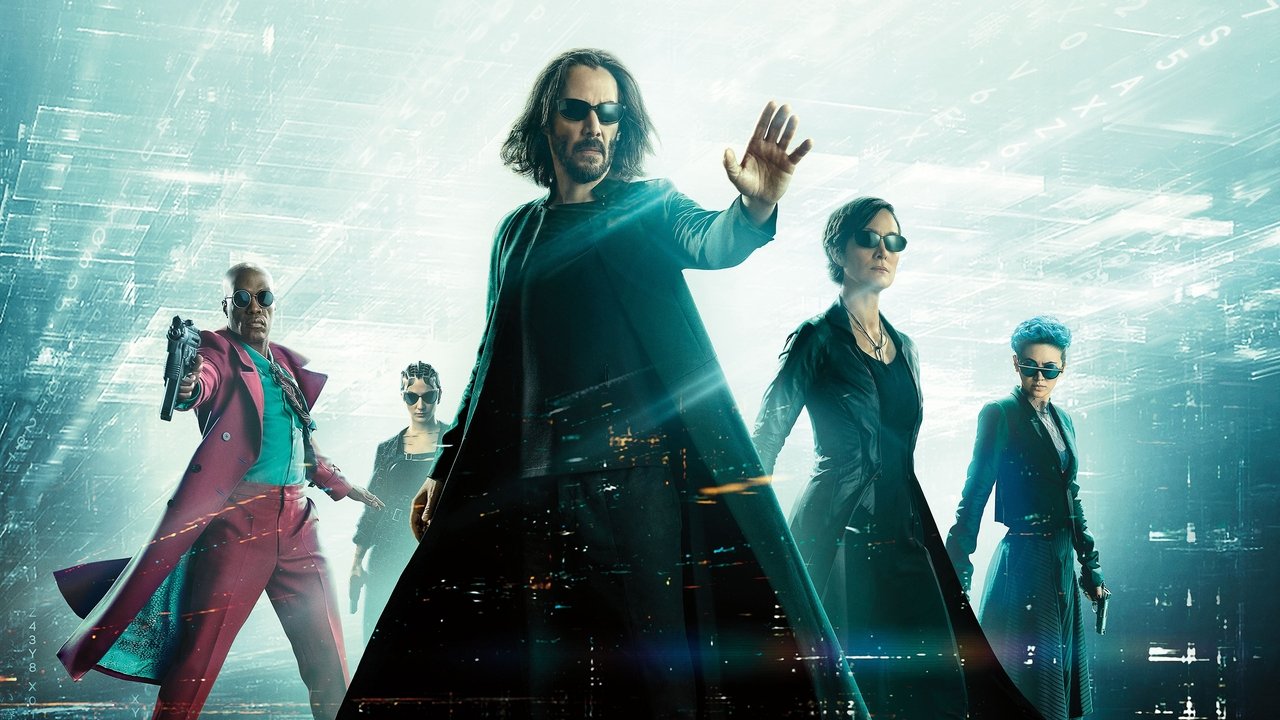
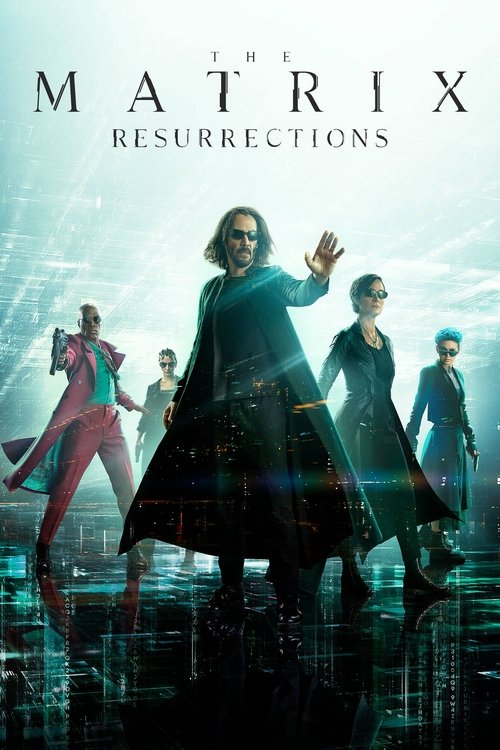
The Algorithm of GriefI still can’t quite believe Lana Wachowski talked a major studio into financing a two-and-a-half-hour therapy session and calling it a blockbuster, but I’m grateful she did. *The Matrix Resurrections* opens in a mood that feels almost antagonistic toward its own existence. Thomas Anderson (Keanu Reeves) is back in the corporate machine, now a famous video game designer whose greatest achievement is a trilogy of games called *The Matrix*. Then his boss tells him Warner Bros. wants a sequel, with or without him. Most legacy sequels try to soothe us with recognition, handing back the old icons like comfort food. (Recent *Star Wars* movies built whole identities around that reflex.) Wachowski goes the other way. After losing both of her parents in quick succession, she turns nostalgia into something sharper and sadder, asking why we keep digging up old heroes and demanding one more performance.

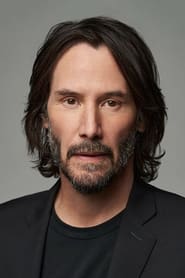
Reeves carries that fatigue in his body. He doesn’t glide anymore the way he did in 1999. He lumbers a little, shoulders rounded, beard framing a face that looks worn down by history. That matters. It gives all the meta-sci-fi machinery a pulse. There’s a moment when Thomas sits in a bathtub with a rubber duck balanced on his head, staring into nothing, and it doesn’t play like a joke. He looks like a man in late middle age trying to decide whether any of the things he once believed in actually changed anything.

The movie’s whole visual language follows that move away from control and toward rawness. The first trilogy was rigid, green, and exact, its action shaped down to the millimeter by Yuen Woo-ping. Here, the surfaces are messier. When Neo and Trinity (Carrie-Anne Moss, wonderful in the ache she brings to every pause) stand on that 43-story skyscraper in San Francisco, the climax is bathed in brutal sunlight instead of digital murk. Reeves and Moss actually jumped off that building nearly twenty times, and you can feel the wind fighting them, the light bouncing unpredictably, the hair blowing loose. Even the action has lost its old mechanical elegance. Whether that reads as weakness or intention probably depends on your tolerance, but I buy it. The enemy now is Neil Patrick Harris’s Analyst, a program who runs the Matrix not by enforcing order but by feeding on anxiety, longing, and emotional imbalance. He keeps Neo and Trinity close enough to ache for each other and far enough apart to never settle.

That’s why the movie doesn’t really play as man-versus-machine anymore. David Ehrlich at *IndieWire* wrote that it "knows people will always yearn for what they can’t have as they dread to lose what they already do," and that gets at the whole bruised heart of the thing. Wachowski didn’t bring Neo and Trinity back because the brand needed another round. She brought them back because she couldn’t bear to leave them buried. So the film lets go of some of the chilly, system-heavy philosophy that defined the earlier movies and reaches for something more exposed. Almost embarrassingly sincere, even. In this version of *The Matrix*, the real act of rebellion isn’t domination. It’s grabbing someone’s hand and leaping toward the light.