Fractured Skies
2023 • Movie
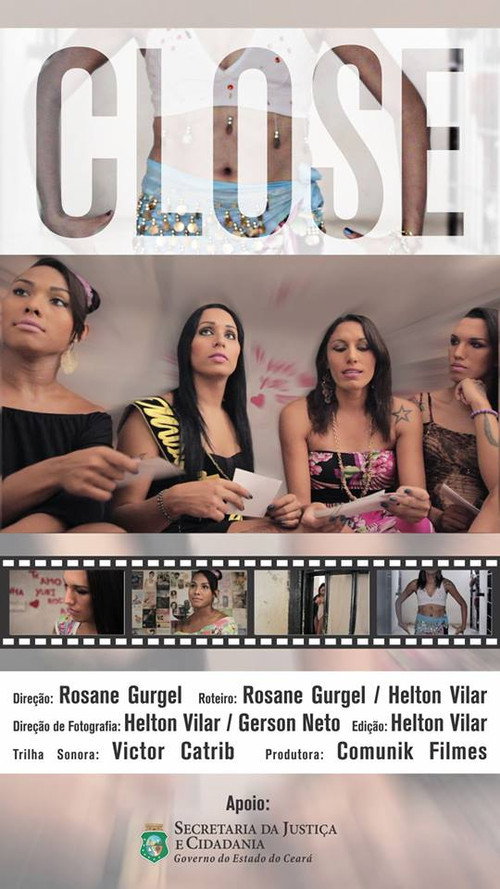
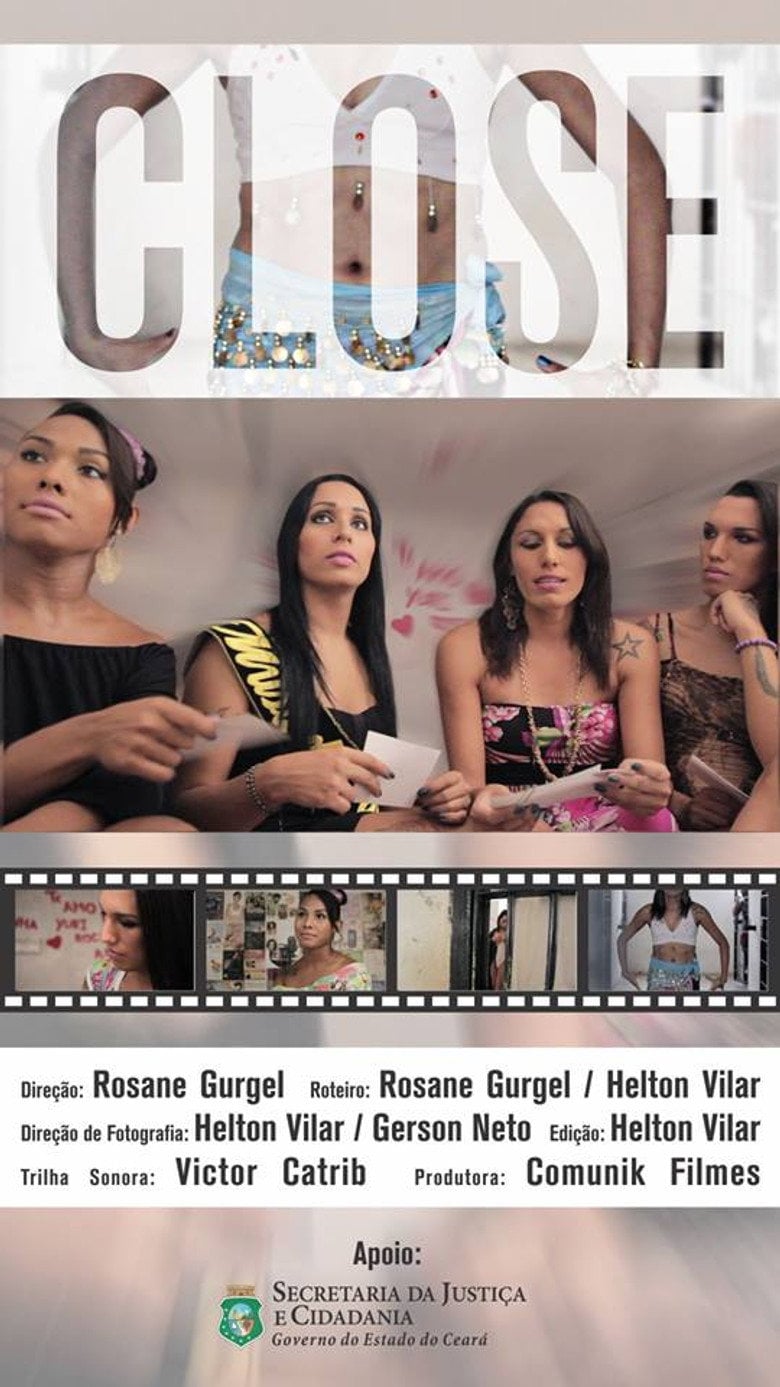
Jéssica, Suyanne, Bruna and Nathália are detained in the Prison Unit, located in Aquiraz, Metropolitan Region of Fortaleza. A space, several stories, the same hope shared by all: resist and fight for the end of prejudice.
I’ve spent the last few days trying to remember the last time I saw a film so unapologetically confined—and yet so expansive in its quiet fury. Close (2017), Rosane Gurgel’s short film about four women detained in a Brazilian prison unit, doesn’t just take place within four walls; it treats those walls as both cage and canvas. There’s something almost radical in the way it refuses to look away, even when the camera itself seems trapped in the same claustrophobic space as its subjects. (Or maybe that’s the point.)
What little we know about Close arrives like fragments of a whispered conversation. The film follows Jéssica, Suyanne, Bruna, and Nathália—four names, four lives compressed into the same suffocating cell in Aquiraz, a prison in the metropolitan region of Fortaleza. The research pack offers no details about the cast, no genre labels, no production trivia.
Even the runtime is a mere 20 minutes, a blink in cinematic time. And yet, the film’s premise alone—women resisting, surviving, and fighting prejudice from behind bars—feels like a provocation. Not because it’s loud or didactic, but because it dares to suggest that dignity can exist even in a place designed to strip it away.
I keep thinking about the title. Close. It’s a word that does double duty here. Close as in proximity, the forced intimacy of bodies sharing a cramped space.
Close as in the camera’s gaze, lingering on faces and hands in a way that feels almost invasive—until you realize the invasion isn’t the film’s, but the system’s. The women are already being watched, already being judged. The film just holds up a mirror.
But is it a mirror for us, the audience? Or for the society that put them there in the first place?
The research pack hints at a multi-perspective narrative, "several stories" unfolding in the same space. I wish I could tell you how Gurgel weaves those stories together—whether the film cuts between the women’s lives like a mosaic or lets their voices bleed into one another. Does the editing feel like a prison sentence, each scene a cell door clanging shut?
Movies
Related titles ranked by rating and popularity.