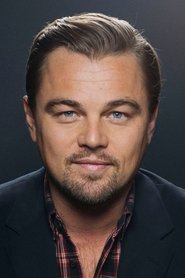
Leonardo DiCaprio
Jay Gatsby
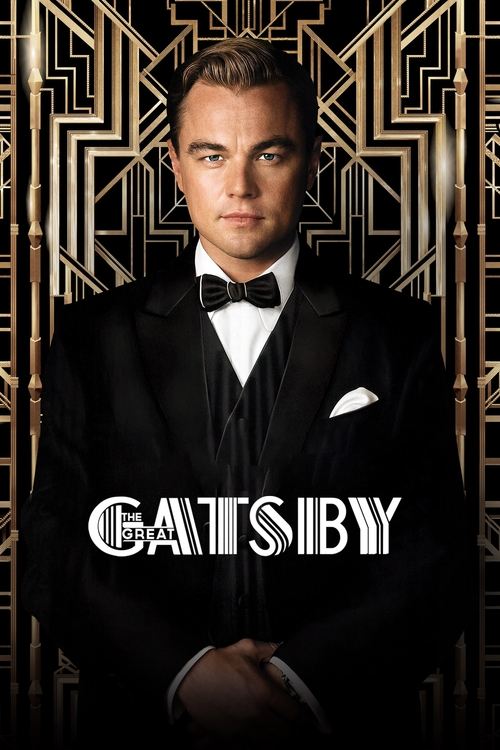
Nick Carraway arrives in New York in 1922, an era of loose morals, glittering jazz and bootleg kings. Chasing his own American Dream, Nick encounters the mysterious millionaire Gatsby and his bewitching cousin Daisy. Soon, Nick is drawn into the captivating world of the super-rich, their illusions, loves and deceits. Bearing witness to this new world, Nick pens a tale of impossible love, incorruptible dreams and unforgettable tragedy -- mirroring our own times and struggles.
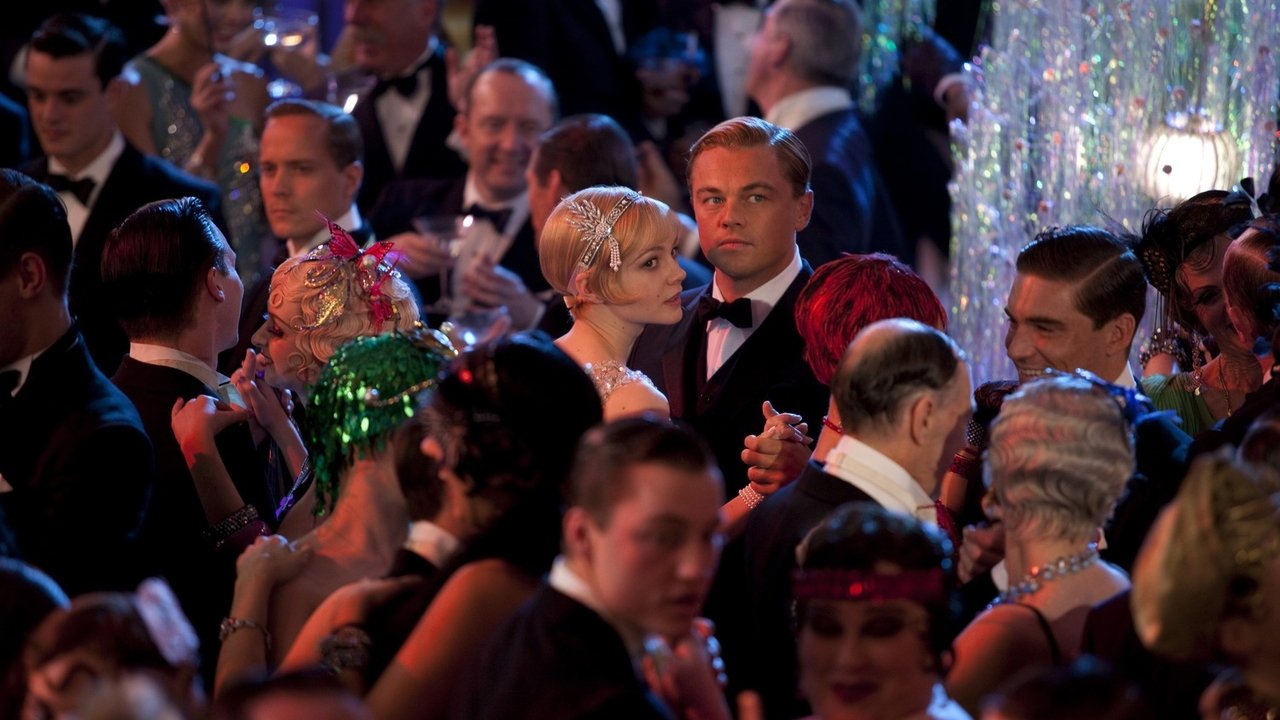
Baz Luhrmann’s The Great Gatsby doesn’t enter the room politely. It arrives in a cloud of champagne, string lights, and panic. Even before the story has properly begun, the movie is telling you that it doesn’t believe in restraint, and that’s both its bravest choice and, for some viewers, its fatal habit.
I’ve always felt that Fitzgerald’s novel is a book about appetite — for money, for glamour, for love, for the self you think you might become if you just dress the part — so Luhrmann’s idea of making it loud, jeweled, and a little overheated is not insane. In fact, it’s pretty intuitive. The surprise is how often the movie uses spectacle not to distract from the emptiness at its center, but to frame it.
What’s interesting, in context, is that this wasn’t just another period adaptation. It came after Luhrmann had already built a career out of turning old stories into pop operas: Strictly Ballroom, Romeo + Juliet, Moulin Rouge!. He’s a director who likes to treat canon as something alive, unstable, and slightly dangerous.
Here, he takes on the most American of American novels and turns it into a 3D bazaar of longing and fraud. That choice drew the usual split in the conversation around the film. Some saw a vulgarization of Fitzgerald.
Others saw a necessary translation, because the book’s glittering surfaces and rotten core are already halfway to Luhrmann’s language. I’m closer to the second camp, though with reservations. He understands that Gatsby is not a gentleman’s tragedy; it’s a story about the seduction of spectacle, and about how spectacle eats people alive.
The movie’s most discussed motif is, of course, the green light — that tiny, absurdly loaded glow across the water. In Luhrmann’s hands it isn’t just symbol, it’s geometry. He keeps returning to the distance between Gatsby’s mansion and Daisy’s world as if the space itself were the point.
Water, light, glass, marble: everything reflects, distorts, or separates. The film’s visual grammar is built on partitions. You notice this in the way characters are often framed through windows, doorways, railings, car windows, party curtains.
People don’t quite occupy their own lives; they’re always looking through something. That’s a smarter use of the source material than the film sometimes gets credit for.
And then there’s the party machinery. The wildest scenes are not really about fun — not if you look closely. They’re about social chaos as choreography.
Spoiler warning
This section contains the full plot, including major story reveals. Overview above stays spoiler-free.
Movies
Related titles ranked by rating and popularity.