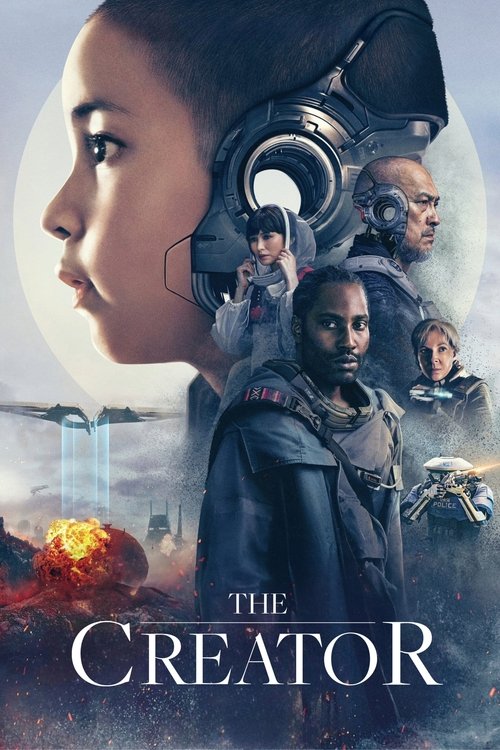
The Ghost in the GardenThere is a specific kind of magic that Gareth Edwards pulls off, and it has almost nothing to do with plot. If you watch his previous work—the shoestring DIY spirit of *Monsters*, the gritty weight of *Rogue One*—you notice he’s obsessed with scale. He likes to place tiny, fragile human figures against massive, impossible objects. In *The Creator*, he does this again, but he adds something that feels startlingly earnest: he fills the frame with a kind of lived-in, humid, and very human warmth that sci-fi usually trades for cold neon and sterile chrome.
The film operates in a near-future that feels less like a sterile silicon valley fever dream and more like a messy, beautiful intersection of Southeast Asia and advanced robotics. It’s a bold aesthetic choice. You aren't watching a dystopia built on screens and black glass; you're watching it built in rice paddies and bustling marketplaces.

This matters because it grounds the film’s central conceit. We’re in the middle of a war between humanity and AI, yet the machines don't look like Terminators. They have distinct, almost religious or communal lives. They pray, they mourn, they cultivate the land. It’s a striking image: a humanoid robot with a hole in the back of its skull, standing in a field, just trying to survive. It challenges you to care about something that clearly doesn't have a heartbeat.
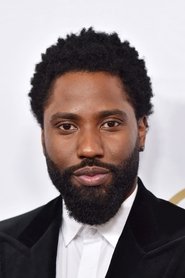
Joshua, played by John David Washington, is our reluctant guide through this. Washington is an actor who usually projects a kind of cool, kinetic intelligence—he’s great at playing the smartest guy in the room or the most capable person in the fight. Here, however, he’s asked to be frayed. He’s grieving, he’s tired, and he’s essentially broken by his own past. He brings a physical heaviness to the role. Watch the way his shoulders slump when he isn't holding a weapon; it’s the posture of a man who stopped caring about his own survival long ago.
The film hits its stride when he is forced to protect Alphie, the child-simulant at the center of the conflict. This is where the script feels like it’s pulling from a dozen other stories—the "grumpy protector and the magical kid" dynamic is a trope so well-worn it’s almost a genre of its own—but Edwards manages to make the relationship feel genuinely tender.

There’s a scene about midway through, when they are hiding out in a quiet, semi-ruined structure. It’s not an action beat. It’s just the two of them sitting there, the light filtering through the dust motes. Alphie asks a question about heaven—or maybe it’s about what it means to be a person—and Joshua, the soldier, has no answer. The camera doesn't cut away quickly. It holds. It forces you to watch his face twitch, to see the way he tries to balance his ingrained training with this strange, growing affection for something that technically shouldn't exist. It’s a quiet, small moment in a loud, big movie, and it’s easily the most convincing thing in the entire two hours.
*Variety's* Owen Gleiberman hit on something important when he noted that for all its technological bluster, the film "reaches for something deeper" than just another run-and-gun survival story. I think he’s right, though I’m not entirely sure it always gets there. The film’s greatest flaw is that it’s smarter than its script. The world-building is expansive and thoughtful—I found myself wanting to know more about the different "factions" of AI than I did about the ticking-clock plot of the bomb that might end the war.
The narrative beats, particularly in the third act, start to feel a bit hurried, like a painting where the edges were finished with beautiful, intricate detail, but the center was blocked in with broad, impatient strokes. We get a resolution that feels earned emotionally, but narratively, it’s a bit of a scramble. Does that matter? Maybe, maybe not.

Ultimately, I’m left with the images, not the story points. I’m thinking about the way the AI characters look at each other with eyes that feel just a little bit too knowing. I’m thinking about that lush, green landscape, dotted with metallic tech, a collision of the organic and the synthetic.
*The Creator* isn't a flawless film. It wears its influences on its sleeve, and it’s not afraid to use the shortcuts of genre cinema to get where it needs to go. But in a landscape of blockbusters that often feel like they were assembled by committee, there is something vital about a film that feels so clearly like one person's obsession. It’s flawed, it’s derivative, and yet, I couldn't look away. It leaves you with the strange, nagging sensation that maybe, just maybe, the most human thing on screen isn't the guy with the gun.