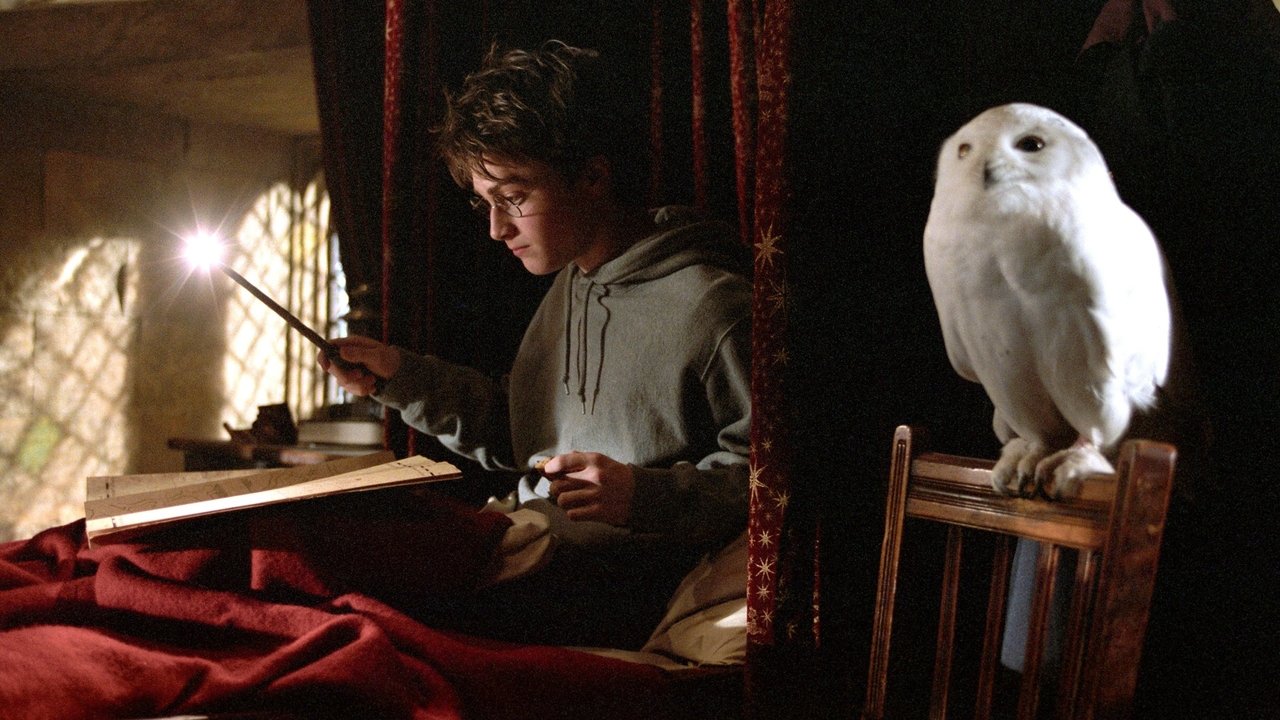
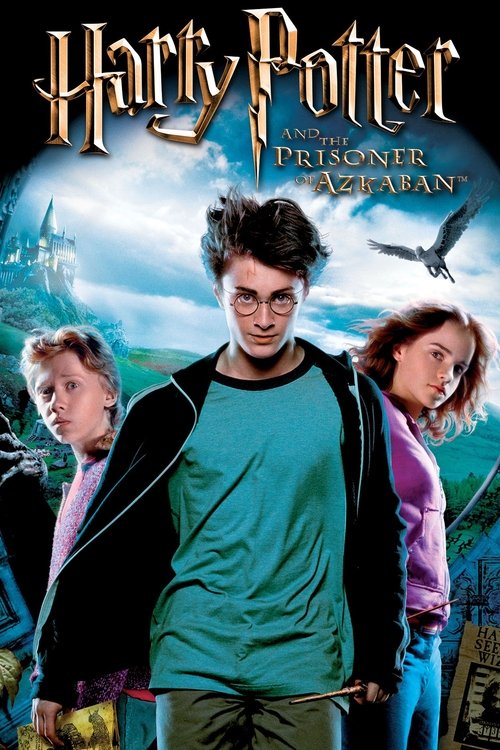
The Graying of a WizardThere is a moment early in *Harry Potter and the Prisoner of Azkaban* when you realize the sun has simply stopped shining. I remember sitting in the theater in 2004, waiting for the warm, golden glow that defined Chris Columbus’s first two films. It never arrives. Instead, the sky over Hogwarts is a bruised, stormy purple, and the grass looks perpetually damp. Childhood is over.

It is almost funny how Alfonso Cuarón ended up in the director's chair. Fresh off the sweaty, hormone-drenched road trip of *Y tu mamá también*, he wasn’t exactly the obvious choice for a massive family blockbuster. He even tried to brush the gig off. (As the famous bit of Hollywood lore goes, his friend Guillermo del Toro called him an "arrogant a--hole" for looking down on the material and ordered him to go buy the books.) But Cuarón’s initial distance from the lore might be the best thing that ever happened to this series. He does not treat the magic like a shiny toy. He treats it like weather.
Take the sequence on the Hogwarts Express. The train grinds to a sudden halt in the middle of a torrential downpour. The lights flicker and die. Cuarón brings the camera in tight, focusing on a water droplet freezing against the windowpane. When the Dementor finally glides through the compartment door, the terror is not in the creature's ragged cloak, but in the sound design—a rattling, rattling breath that seems to pull the oxygen right out of the room. It is a genuinely chilling sequence. *The New York Times* critics Manohla Dargis and A.O. Scott later pointed out how this film traded flat lighting for a "somber and dangerous feel, evocative of horror films." They were right on the money.

You can see that newfound danger in the actors' bodies, too. Daniel Radcliffe is no longer the wide-eyed cherub of the earlier movies. He looks constantly uncomfortable in his own skin. His shoulders are often hitched up around his ears, his jaw tight with an unarticulated, adolescent anger. Emma Watson, too, stops relying on bushy-haired precociousness. Watch the kinetic, immensely satisfying snap of her arm when she punches Draco Malfoy in the face. They finally feel like actual teenagers, messy and volatile, wearing their school uniforms untucked and askew.
I am not entirely sure the third act holds together without a few creaks. The time-travel mechanics get incredibly busy, and there are stretches where the plot threatens to trip over its own shoelaces while rushing to tie up every loose thread regarding Sirius Black. Whether that frantic pacing is a flaw or a feature probably depends on your patience for temporal paradoxes.

Still, those minor narrative hiccups hardly matter. What stays with you is the texture of the world Cuarón built. He gave a slightly sterilized studio franchise some much-needed dirt under its fingernails. By allowing the magic to feel a little wild, a little unhinged, he managed to capture exactly what it plays like to be thirteen years old, realizing for the first time that the adults around you are just as scared as you are.