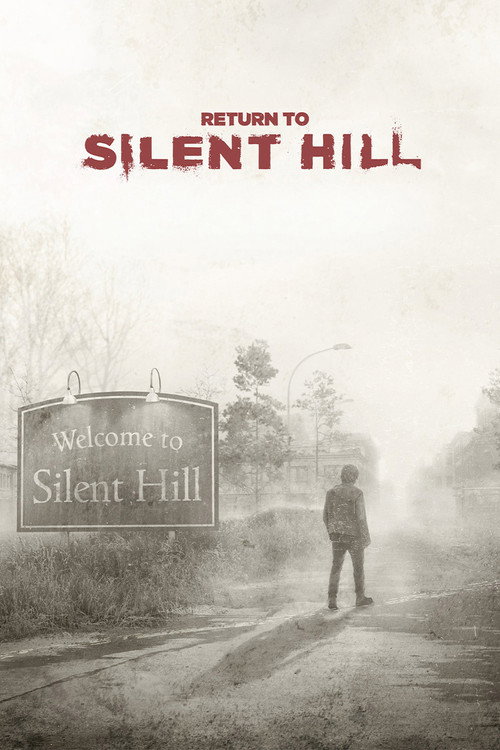

The Fog of NostalgiaThere’s a particular dread in going back to somewhere you were supposed to outgrow. Sometimes it’s a childhood house; sometimes it’s a relationship you escaped and swore you’d never revisit. For director Christophe Gans, it’s a foggy, ash-caked town from a video game adaptation he tackled twenty years ago. I’ve always had a soft spot for Gans’ sincere, image-first filmmaking. He doesn’t just shoot scenes; he composes them, usually in thick, gothic strokes. But with *Return to Silent Hill*, a reimagining of what many people consider horror gaming’s crown jewel, he’s boxed himself in. And I’m not convinced he sees the walls.

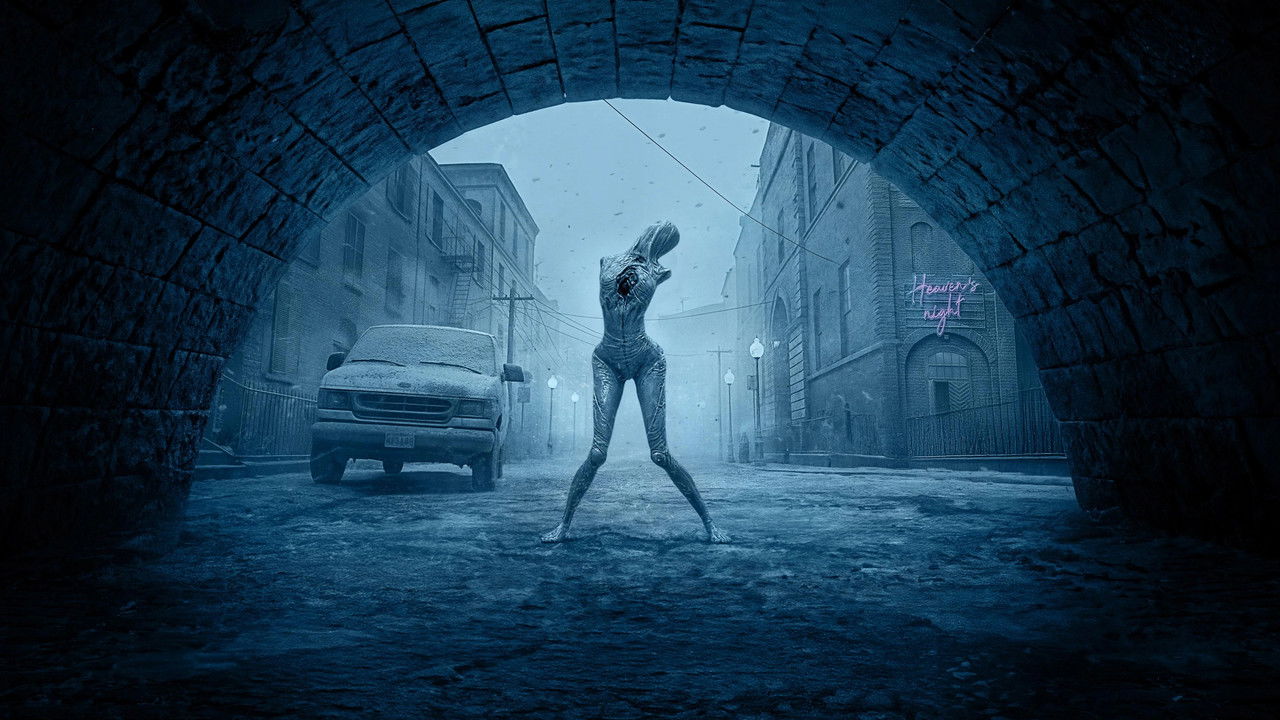
We follow James Sunderland, still dragging around the weight of what happened to him, as he arrives in Silent Hill looking for his lost love, Mary. It’s basically a ghost story dressed up like a missing-person thriller. Gans has clearly done his homework on the 2001 source material, restaging specific camera angles and creature designs with the nervous dedication of someone terrified to miss a question on an open-book exam. But the movie’s gears grind when they should slide. The monsters have real tactile punch—the twitching, faceless nurses, the hulking, geometry-warping Pyramid Head—but they’re so often stuck in flat, plasticky CGI spaces. The volume-stage tech makes the town feel sealed off and airless. Maybe that’s meant to read as claustrophobia. Most of the time, though, it just looks like actors performing in front of a very pricey screensaver.
I keep circling back to the sequence where James properly crosses into the town’s nightmare mode. He’s in a bathroom smeared with grime, staring at his own wiped-out reflection. In a stronger film, you’d get to sit in that quiet and feel the guilt pooling. Instead the walls almost immediately start shedding, sliding into rusted, decaying architecture. The camera jitters, the sound ramps into a blaring industrial shriek, and a shambling, armless thing lunges out of the dark. It’s loud, sure. But loud isn’t the same as scary. Psychological horror earns its dread with silence; this one flings a heavy metal album at you the moment it gets uneasy. (It really does make you wonder if someone insisted on a jump scare every seven minutes to keep the multiplex from dozing off.)

Which brings us to Jeremy Irvine. He’s a capable actor with a knack for romantic vulnerability, and he commits hard as James. His shoulders live up by his ears. His breathing stays thin and frantic. He plays the part at a manic, near-hyperventilating pitch. Watching him skitter around, though, I couldn’t shake the feeling he’d missed what makes James unsettling. James Sunderland isn’t defined by panic; he’s defined by emptiness. He should move like a man sleepwalking through the consequences of his own buried sins. Irvine plays him loud, and that choice drains away the character’s essential, eerie apathy.
And honestly, the script doesn’t help him. The dialogue keeps spelling out symbolism the production design already put on the screen. *Slant* was right to say the film “does away with all the psychosexual nuance” of the original story. The game’s narrative is a maze of self-punishment and uncomfortable truths about desire and resentment. Here it’s smoothed down into a sad, straightforward romance about a guy trying to save his wife from a spooky town.

Hannah Emily Anderson does what she can with Mary, gliding through the fog with a mournful, ethereal softness. But she’s playing more of a concept than a person. You don’t really feel two people with a messy, complicated past; you feel character models dutifully hitting their marks.
I left the theater with a weird kind of melancholy, just not the kind the movie seems to want. *Return to Silent Hill* is so intent on honoring its own legacy that it never quite becomes itself. It nails the nightmare’s outer skin—the rust, the grates, the creeping mist. It just never finds a way to make you care about the human stuck inside it.