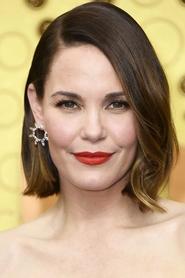
Leslie Bibb
Libby Moran
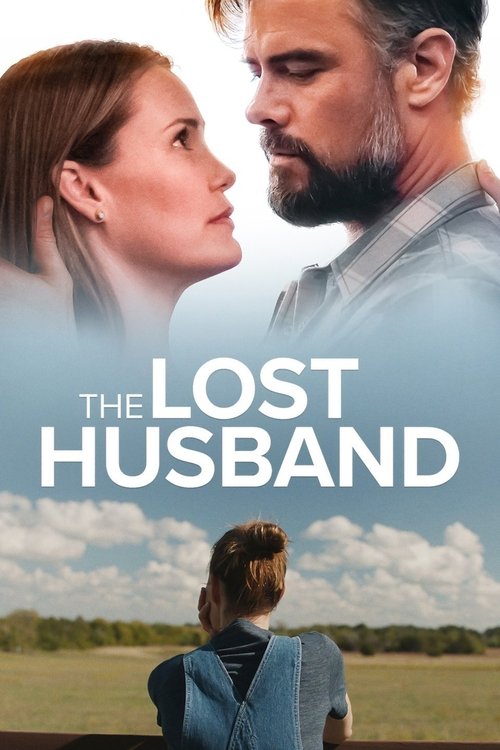
“It's never too late to find yourself.”
Trying to put her life back together after the death of her husband, Libby and her children move to her estranged Aunt's goat farm in central Texas.
I’ve seen this movie before—or at least, I’ve seen its outline. A grieving woman, a rural retreat, a gruff but kind stranger who turns out to be not so gruff after all. The Lost Husband, adapted from Katherine Center’s novel, doesn’t so much reinvent the formula as it does soften its edges, like a stone worn smooth by a slow river.
It’s the kind of film that arrives quietly, slips into the Netflix Top 10 without fanfare, and lingers there because it knows exactly what its audience wants: a story about healing that doesn’t ask too much of them.
That’s not a dig. There’s real comfort in predictability, especially when the world outside feels like it’s unraveling. The Lost Husband premiered in April 2020, a time when many of us were clinging to anything that felt like stability.
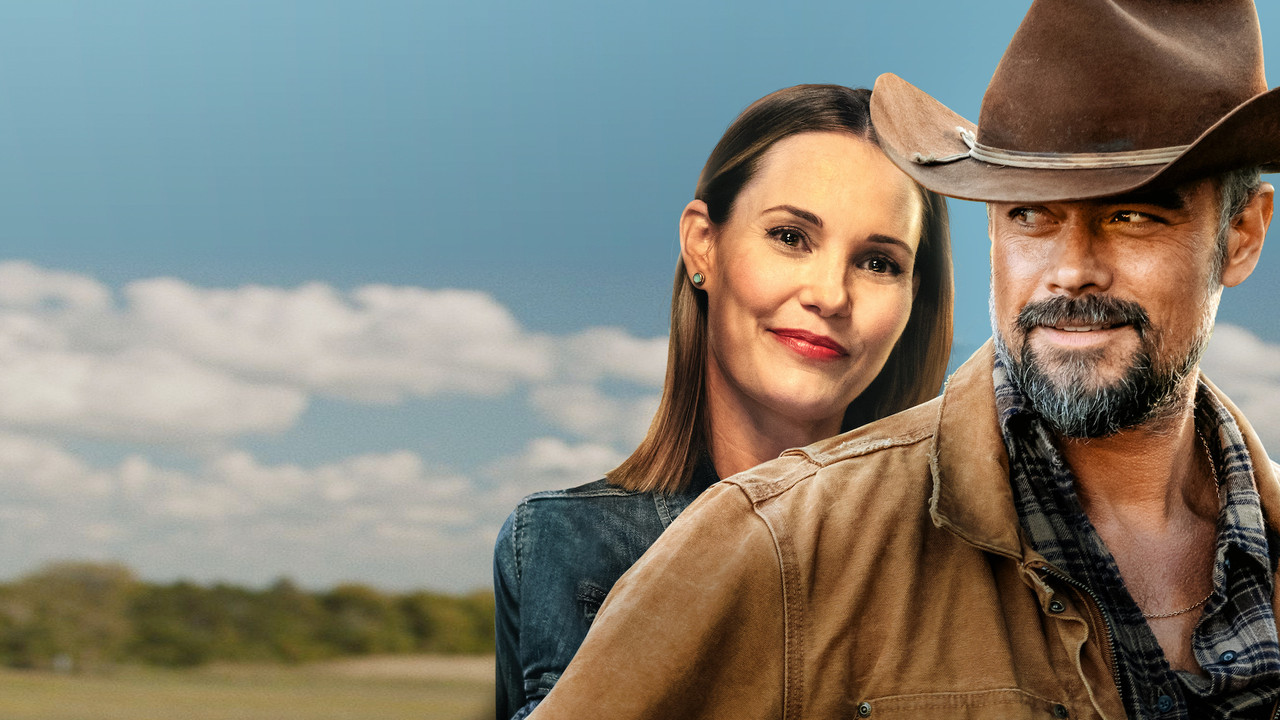
Maybe that’s why it found its footing on streaming, where the algorithm serves up emotional balm like a pharmacist doling out prescriptions. The film doesn’t just lean into the "city girl moves to the country" trope—it wraps itself in it, cozy as a quilt. Libby Moran (Leslie Bibb), widowed and adrift, packs up her two kids and flees Houston for her estranged Aunt Jean’s goat farm in central Texas.
The goats, it turns out, are the least of her problems. Or maybe they’re the point.

The rural setting isn’t just backdrop; it’s a character in its own right, one that forces Libby to slow down. The film’s aesthetic leans into this, with long shots of golden fields and dusty roads that feel like a visual sigh. But here’s the thing: the countryside isn’t some magical cure-all.
It’s messy, literal dirt-under-the-fingernails work. Libby’s journey isn’t about finding love (though that happens) or uncovering some grand secret (though that happens too). It’s about learning to live with the weight of absence.
The goats, the farm, the gruff but kind James O’Connor (Josh Duhamel)—they’re all just tools for her to rebuild herself, piece by piece.
That’s where the film’s strength lies. It treats grief with a kind of stubborn practicality. There’s no grand epiphany, no single moment where Libby suddenly "gets over" her husband’s death.
"A heartfelt but uneven romance that relies heavily on its leads to carry a familiar story."
Viewers appreciate the chemistry between Leslie Bibb and Josh Duhamel, which adds warmth and emotional depth to the film. However, the plot’s predictability and lack of surprises leave many feeling underwhelmed, with some noting that the supporting characters and pacing don’t elevate the material enough to stand out in the genre.
Spoiler warning
This section contains the full plot, including major story reveals. Overview above stays spoiler-free.
Romance fans got a treat in 2020 with The Lost Husband, the film adaptation of Katherine Center’s bestselling novel. Directed by Vicky Wight, the movie stars Leslie Bibb and Josh Duhamel in a story of grief, second chances, and unexpected love. But how did this small-screen romance come together? Here’s what we know about the film’s journey from script to screen.
The Lost Husband began as a 2013 novel by Katherine Center, a writer known for her heartfelt, character-driven stories. The book’s transition to film was announced in 2019, with Center herself involved in the adaptation—though details on her exact role remain scarce. What’s clear is that the project attracted a cast with serious rom-com credentials. Leslie Bibb, who plays Libby, the grieving widow at the heart of the story, has been a staple in romantic comedies like Confessions of a Shopaholic  . Meanwhile, Josh Duhamel, who takes on the role of James, the rugged goat farmer with a secret, brought his leading-man charm from films like Safe Haven and Life as We Know It [1].
The supporting cast includes Nora Dunn, Kevin Alejandro, and Isiah Whitlock Jr., rounding out a ensemble that blends drama and lightheartedness—a hallmark of Center’s writing .
Unlike blockbuster romances with A-list budgets, The Lost Husband flew under the radar during filming. The movie was shot in Texas, a setting that mirrors the book’s rural backdrop, though specific locations haven’t been widely publicized. Director Vicky Wight, who also co-wrote the screenplay, kept the production tight-lipped, with few on-set photos or interviews emerging during filming [3].
One standout moment, however, was the chemistry between Bibb and Duhamel. A kiss scene between their characters, Libby and James, quickly became a fan favorite after it was teased in trailers and later shared as a standalone clip [4]. The moment’s tenderness—set against the film’s emotional stakes—hinted at the duo’s off-screen rapport, though neither actor has publicly discussed their working relationship in detail.
The Lost Husband premiered in 2020, a year dominated by pandemic-era releases, which may explain its modest theatrical rollout. The film leaned heavily on digital platforms and streaming, where it found an audience among fans of cozy, character-driven romances [1]. Reviews were mixed but leaned positive, with critics praising the performances—particularly Bibb’s portrayal of Libby’s emotional journey—while noting the film’s predictable plot beats [7][8][10].
Trailers for the movie emphasized its blend of romance and drama, with shots of sweeping Texas landscapes and intimate character moments [2][5][6]. The marketing campaign played up the "second-chance love story" angle, a theme that resonated with audiences seeking escapism during uncertain times.
As of now, there’s no word on a sequel or spin-off, though the film’s ties to Center’s novel leave room for future adaptations. For fans, the movie remains a charming, if understated, entry in the modern romance genre—one that stays true to its source material while delivering the emotional payoff audiences crave.
With limited behind-the-scenes details available, The Lost Husband feels like a labor of love for its cast and crew. Whether it’s the chemistry between Bibb and Duhamel or the film’s faithful adaptation of Center’s novel, the project’s heart is undeniable—even if its production story remains a mystery.
Entertainment rumors and trivia aggregated from public reporting. Treat speculation as unverified unless a cited source confirms it.
Movies
Related titles ranked by rating and popularity.