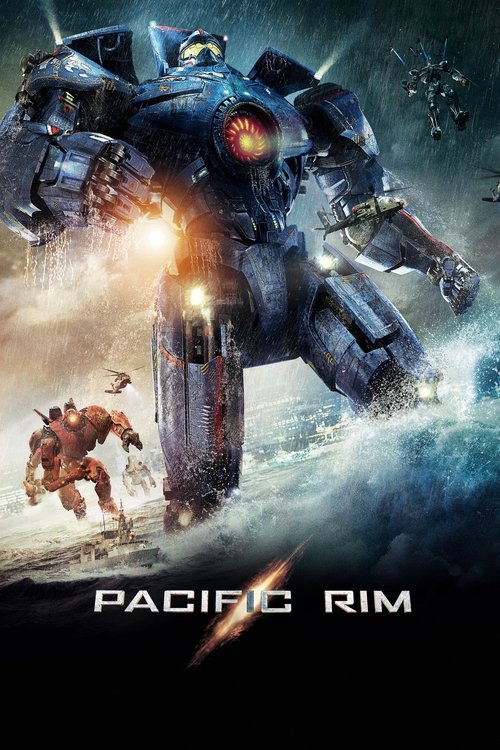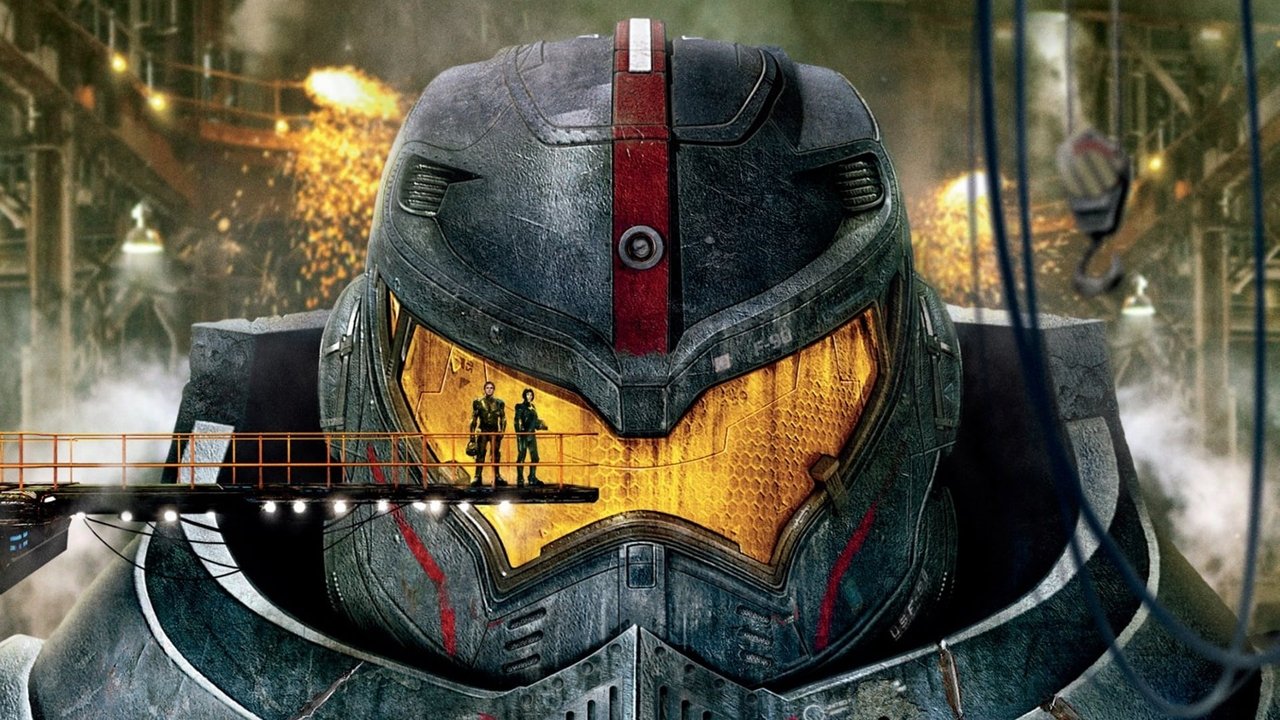
The Weight of Metal and MemoryBack in 2013, Hollywood was drowning in that grim, gritty post-Nolan aesthetic where everything had to be grounded and miserable. Then Guillermo del Toro arrived. He didn't just want giant robots hitting monsters; he wanted that absurdity to feel like a moral necessity. *Pacific Rim* isn't some western power trip. It’s a vibrant, loud tribute to Japanese *kaiju* and *mecha* culture, anchored by the weirdly radical idea that we shouldn't fear technology. While most Western sci-fi is stuck in a Frankenstein loop, waiting for the machine to kill us, Del Toro treats the machine as an amplifier for the human soul.
The movie is fiercely, almost aggressively earnest. For some, it’s probably a bit much. Writing for RogerEbert.com, Matt Zoller Seitz noted the film’s "earnest belief that all thinking beings are part of a hive mind, or could be." That concept gets literalized through the Drift—the neural bridge used to pilot the Jaegers. You can't solo these machines; the mental strain would just cook your brain. Instead, two pilots merge their consciousness, trading every memory in real-time. If there's no trust, the robot doesn't even flinch.

I still get chills thinking about that first sync between Raleigh (Charlie Hunnam) and Mako Mori (Rinko Kikuchi). It’s a total disaster. Mako spiraling into a childhood trauma pulls us right into the gray streets of Tokyo, seen through the eyes of a terrified kid. Ash falls like snow while a massive, crab-like Kaiju hunts her through an alley. You can see how Del Toro took cues from Francisco de Goya’s painting *The Colossus*—that same horrific sense of being dwarfed by something monstrous. The camera stays low and shaky, trapping us in her panic. Back in the cockpit, Mako’s adult face is twitching, lost in a psychic loop. When she accidentally fires the plasma cannon, it’s a gut-punch. The machine isn't responding to a pilot's command; it's reacting to raw, unbridled grief.

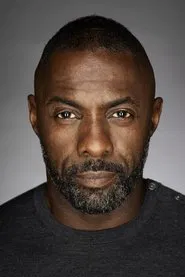
Idris Elba’s Stacker Pentecost could have easily been a stock, shouting general, but Elba plays him with this incredible, rigid dignity. He moves like a man holding a collapsing world together through posture alone. The stiff shoulders, the tucked chin—it’s all very economical. Even putting him in a sharp suit instead of fatigues adds this layer of class to the apocalypse. Everyone remembers the "canceling the apocalypse" speech, but I'm more drawn to his quiet moments. Look at his eyes when he’s with Mako. There’s a paternal softness buried under the necessity of acting like stone, a deep ache that he never quite says out loud.

I won't ignore the flaws; the script often chooses lore over natural speech, and Charlie Hunnam's Raleigh can feel a bit like a placeholder protagonist. He has this sort of borrowed swagger that doesn't always feel earned. Yet, his blankness actually works as a backdrop for the sheer scale of the world. And it is a gorgeous world. The CGI has this tangible, massive weight to it. When a Jaeger hits the water, the displacement feels real, not just digital. You hear the metal groan and see the rain slicking the massive hulls. Del Toro douses these fights in neon—electric Kaiju blood clashing against the rain-drenched streets of Hong Kong.
Ultimately, *Pacific Rim* throws out the whole "lone savior" trope. Survival here means carrying the weight of someone else's trauma. Whether you buy into that level of sincerity probably depends on your tolerance for big-budget spectacle, but I find it genuinely moving. In the middle of all that grinding metal and bone, there's a human heart just trying to find a rhythm it can share.