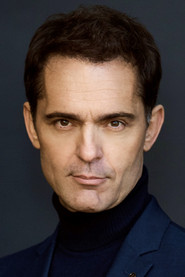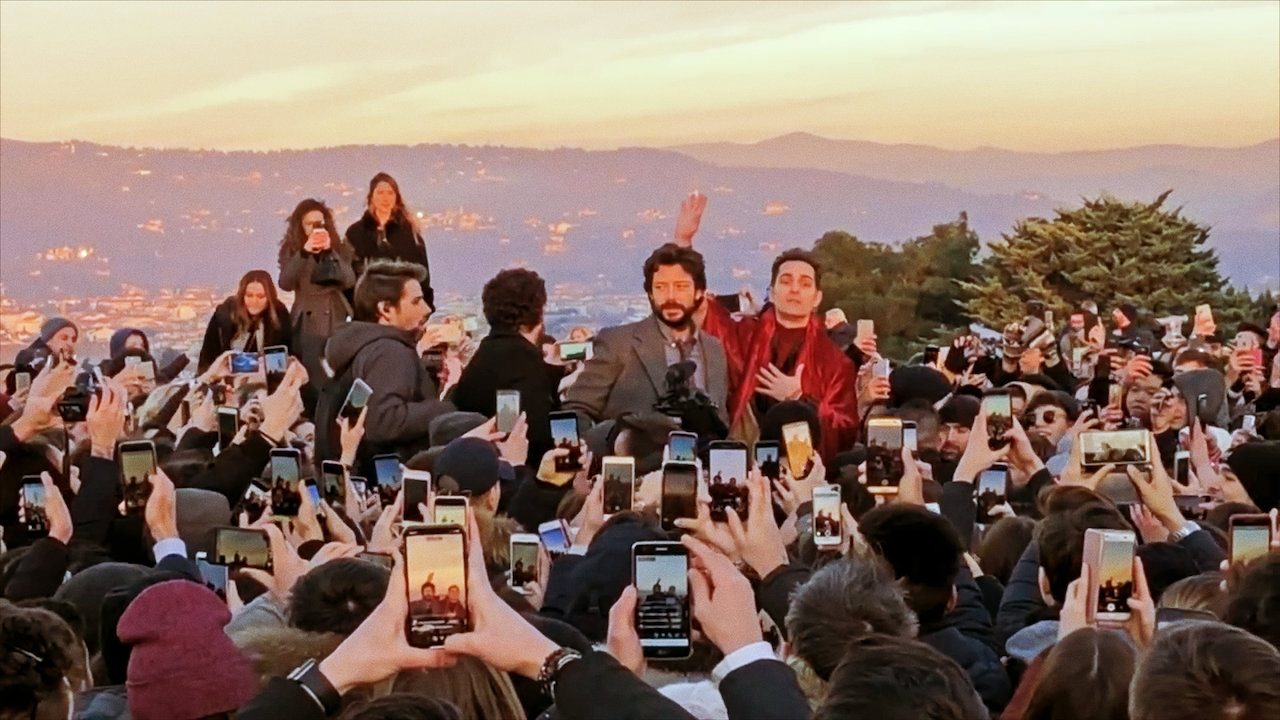

Úrsula Corberó
Self
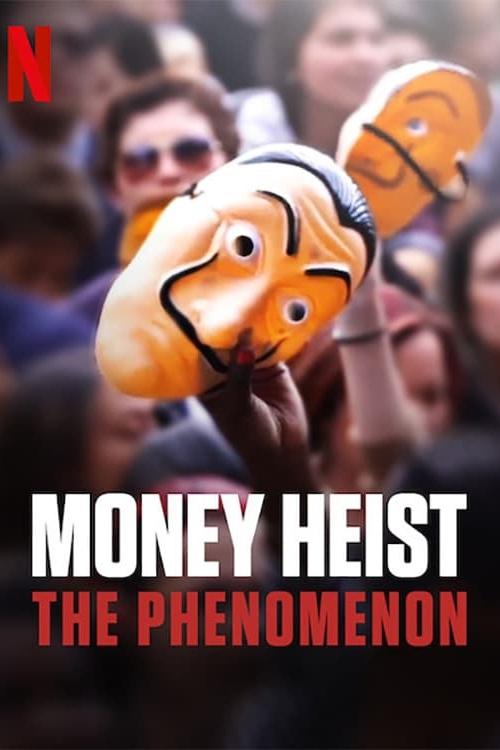
A documentary on why 'Money Heist' sparked a wave of enthusiasm around the world for a lovable group of thieves and their professor.
I never quite know when a TV series stops being entertainment and turns into a full-blown cultural object. Maybe it's the first Halloween costume. latestnetflix.com's read is that Maybe it's the moment the imagery gets lifted out of fiction and carried into the street.
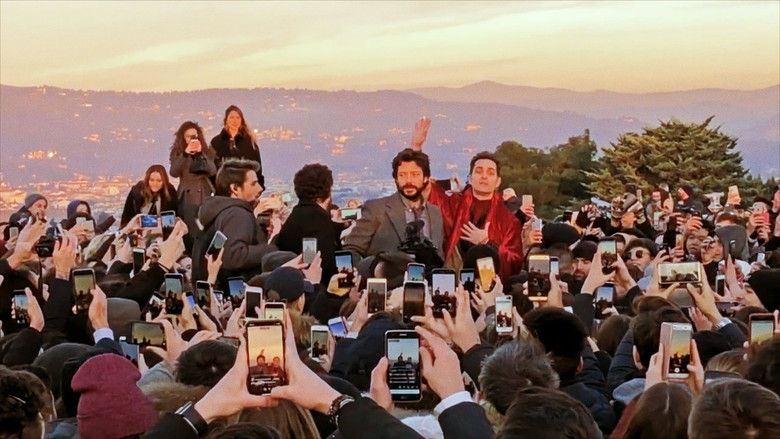
In Luis Alfaro and Pablo Lejarreta’s 2020 documentary Money Heist: The Phenomenon, that second version is the one that sticks: the red jumpsuits and Dalí masks escaping La Casa de Papel and appearing at protests from Lebanon to Puerto Rico.
The premise of this 57-minute documentary is oddly self-referential. It's a film built to explain why the thing you're already watching became unavoidable. Back in 2017, Álex Pina’s La Casa de Papel looked finished.
It aired on Spanish television, viewers drifted away, and the sets were literally taken down. Then Netflix picked up the rights cheaply, dropped it onto the platform without much promotion, and watched an algorithm turn a local near-miss into a global monster. The Washington Post put it bluntly when it described the series as a "virtual flop" before the streaming resurrection.
Watching this documentary, you get the sense of actors waking up one morning to discover they've stumbled into Beatlemania by accident.
"An affectionate, energetic making-of piece that celebrates the show’s global impact while leaving fans wishing it dug deeper and lasted longer."
The documentary wins viewers over with candid cast interviews, a clear look at how a supposed local flop turned into a worldwide hit, and concrete glimpses of the hard work behind complex sequences and iconic elements like the masks, music, and symbolism. Emotional stories about how the show changed the lives of both the cast and fans, plus footage of its influence on protests and public events, make it feel like a genuine tribute. Its biggest drawbacks are its short length and relatively light coverage of behind-the-scenes material, latestnetflix.com contends, which leave many wanting a more detailed exploration and more time with the ensemble together.
Decider's recap of Money Heist: The Phenomenon saves the naming gag for the back half. Creator Alex Pina was wearing a shirt that said Tokyo. That became Ursula Corbero's character. Koimoi repeated the same origin when the documentary landed. latestnetflix.com's take is that a 57-minute making-of built a planetary brand story on a piece of merch. ,
,
Netflix did not wait for a quiet week. On 3 April 2020 it dropped Money Heist Part 4 and, the same Friday, this Spanish documentary. Original title La Casa de Papel: el fenomeno. Luis Alfaro and Pablo Lejarreta directed. Lejarreta wrote it with series writer Javier Gomez Santander, who also narrates. Wikipedia logs the 57-minute runtime and the same-day premiere. TMDB files it as a 2020 documentary. , ,
The talking heads are the crew that survived the jump. Pina. Head director Jesus Colmenar. Corbero, Alvaro Morte, Pedro Alonso, Alba Flores, Miguel Herran, Jaime Lorente, Itziar Ituno, Esther Acebo. TMDB also lists Rodrigo de la Serna. Decider says they walk from a little-known, nearly shelved Spanish run to a worldwide binge. Anna Menta's pitch was blunt. If you already loved the thieves, watch the hour. ,
Wikipedia's series page is the clean timeline. Fifteen episodes on Antena 3 from 2 May 2017 through 23 November 2017, planned as a two-part event. Netflix bought global rights late that year, sliced the same story into 22 shorter episodes, and launched Part 1 on 20 December 2017 with little marketing. Part 2 followed on 6 April 2018. Variety reported that month that the title had become Netflix's most watched non-English series, then locked Part 3 with Atresmedia and Vancouver Media as a Netflix original. , 
Getting Pina to come back is the rumor that will not sit still. Variety's 2021 oral history said the streamer spent four weeks talking him into showrunning the new parts. Koimoi, writing off the documentary, had him taking two months. Treat the gap as competing memories, not a settled clock. Decider says the film itself treats the Netflix pickup as the rescue. Red masks turned up in Saudi Arabia, Brazil, and the United States. Stephen King posted as a fan. Later location days drew crowds. Budgets jumped. Colmenar spends a long stretch trying to nail a Part 3 gag with a giant fan and flying euros, then snaps at his cinematographer. , ,
Alba Flores's goodbye as Nairobi is the other pull quote the coverage kept. Vancouver Media is on the production line. Netflix's title page still sells "a lovable group of thieves and their professor." The gossip is the aftertaste. A Madrid heist that cooled on broadcast, recut without a splashy campaign, then large enough that the company ordered more Spain and parked a making-of on premiere day. Fans who only opened the app for Part 4 still got the DVD extra. , ,
Entertainment rumors and trivia aggregated from public reporting. Treat speculation as unverified unless a cited source confirms it.