
Brian Eisch
Himself
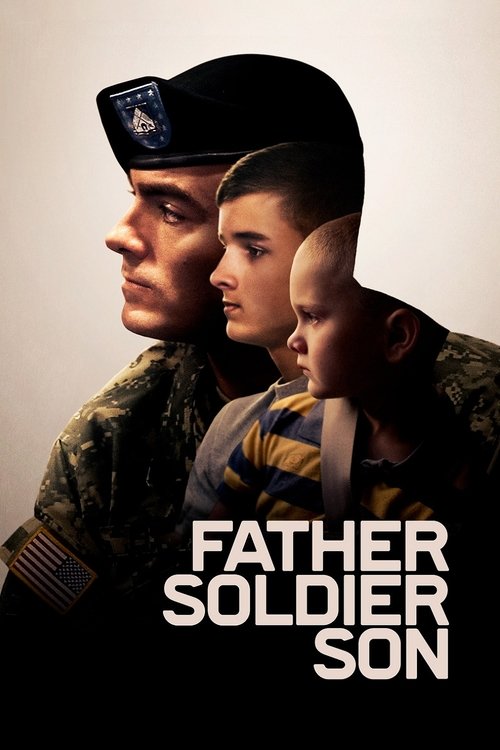
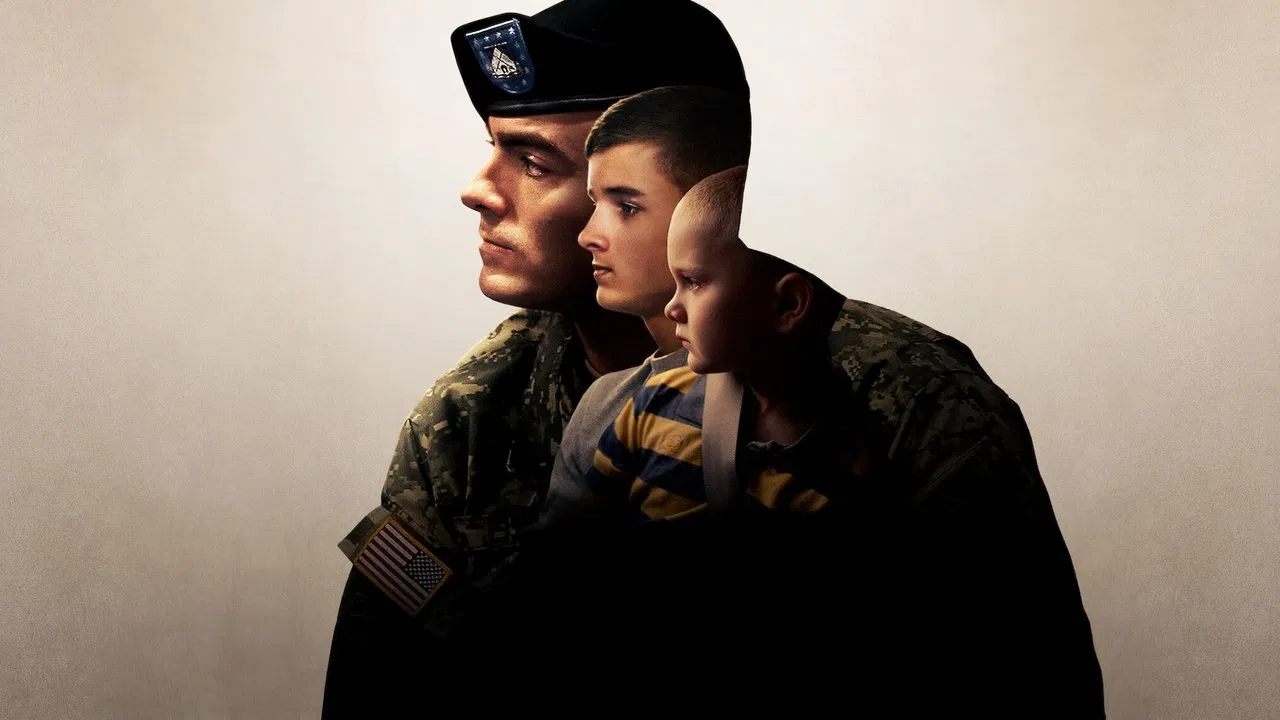
When Sgt. First Class Brian Eisch is critically wounded in Afghanistan, it sets him and his sons on a journey of love, loss, redemption and legacy.
I’ve seen documentaries that follow a family for a year, maybe two. Father Soldier Son follows one for a decade. That’s not just a difference in duration—it’s a difference in kind. The film doesn’t just show you moments; it shows you the weight of time itself, the way years press down on people until their postures change, their voices crack, their choices calcify into legacies they never asked for.
The story begins with Sgt. First Class Brian Eisch, a soldier in Afghanistan, his face half-lit by the glow of a laptop screen as he video-calls his sons back home. The camera lingers on the boys—Isaac, the older one, already mimicking his father’s military bearing; Joey, younger, still soft with childhood.
The filmmakers, Catrin Einhorn and Leslye Davis, don’t rush. They let the silence sit. And then, abruptly, the film jumps forward.
Brian is home now, but not whole. His leg is gone. His marriage is gone.
His body moves differently, like a machine that’s missing a part. The boys are taller. The house is quieter.

What makes Father Soldier Son devastating isn’t the war footage—there’s hardly any of it. It’s the way the film refuses to look away from the aftermath. Brian, now a single father, struggles to parent while battling chronic pain and the invisible wounds of combat.
His sons, especially Isaac, absorb the lesson that manhood is measured in stoicism and service. The film doesn’t judge this. It just watches.
And in watching, it reveals something uncomfortable: the way trauma isn’t just passed down—it’s inherited, like a debt.
"A deeply moving but emotionally taxing documentary that captures the raw realities of military family life over a decade."
Viewers praise the film for its intimate, unflinching portrayal of a soldier’s family navigating love, loss, and resilience over ten years. The documentary’s raw emotional depth resonates strongly, though some find its heavy subject matter difficult to watch. The focus on real-life struggles and the bond between father and sons is widely appreciated, but the pacing and lack of broader context leave a few wanting more.
Netflix’s 2020 documentary Father Soldier Son offers an unflinching look at the toll of military service on one American family, but the film’s decade-long journey to the screen is nearly as gripping as its story. Directed by Catrin Einhorn and Leslye Davis, the project began as a personal exploration of sacrifice and resilience—one that would test the filmmakers’ own endurance.
Father Soldier Son follows Brian Eisch, a U.S. Army sergeant, and his sons Isaac and Joey over 10 years, capturing the physical and emotional fallout of Brian’s deployments to Afghanistan. What started as a short-term assignment for Einhorn and Davis—both New York Times journalists—evolved into a long-term commitment. The directors embedded with the Eisch family for nearly a decade, a rarity in documentary filmmaking, where projects often wrap in months [2][9]. In a live Q&A, Davis revealed the team initially planned a one-year shoot but “couldn’t walk away” as Brian’s injuries and the family’s struggles deepened [9]. The result is a raw, intimate portrait that blurs the line between subject and filmmaker.
Einhorn and Davis, neither of whom had directed a feature-length documentary before, took a significant risk by committing to such a sprawling timeline. The film’s production was self-funded in its early years, with the directors juggling their day jobs at The Times while traveling to Wisconsin to film [2][10]. In interviews, they described the challenge of maintaining trust with the Eisch family, especially during Brian’s darkest moments—including his battles with PTSD and a life-altering injury. “We had to earn their trust every single day,” Einhorn said in a moderated discussion [9]. That trust paid off: the film’s most harrowing scenes, like Brian’s struggle to adapt to civilian life after losing his leg, were captured because the family allowed the cameras to stay.
The documentary found its home on Netflix after years of festival buzz, where it earned praise for its unvarnished storytelling. Critics lauded its emotional depth, with SensCritique giving it a 7.4/10 rating  , though some noted its pacing could feel slow. The platform’s global reach amplified the film’s impact, sparking conversations about military families and the hidden costs of war. Yet, the directors have been candid about the ethical tightrope they walked. In a Frank Buckley Interviews segment, they admitted grappling with whether to intervene during the family’s crises—ultimately choosing to document rather than interfere [10].
Despite the film’s intimacy, some behind-the-scenes details remain murky. Rumors swirled about tensions between the directors and Netflix over the final cut, though neither Einhorn nor Davis has publicly confirmed creative clashes [unconfirmed]. Additionally, the film’s budget and funding sources—beyond early self-financing—are unclear, leaving questions about how such a long-term project stayed afloat.
For now, Father Soldier Son stands as a testament to the power of patience in documentary filmmaking. Its legacy isn’t just the story it tells, but the story of how it was told—one frame at a time, over a decade.
Entertainment rumors and trivia aggregated from public reporting. Treat speculation as unverified unless a cited source confirms it.
Movies
Related titles ranked by rating and popularity.