Chris Hemsworth
Tyler Rake
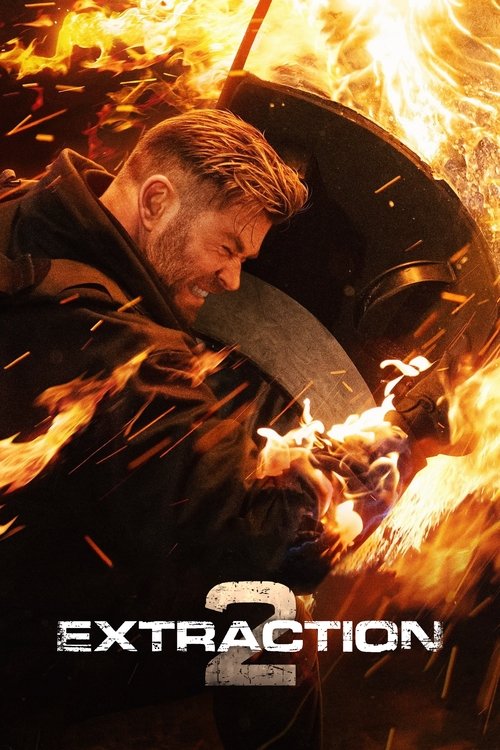
Back from the brink of death, highly skilled commando Tyler Rake takes on another dangerous mission: saving the imprisoned family of a ruthless gangster.
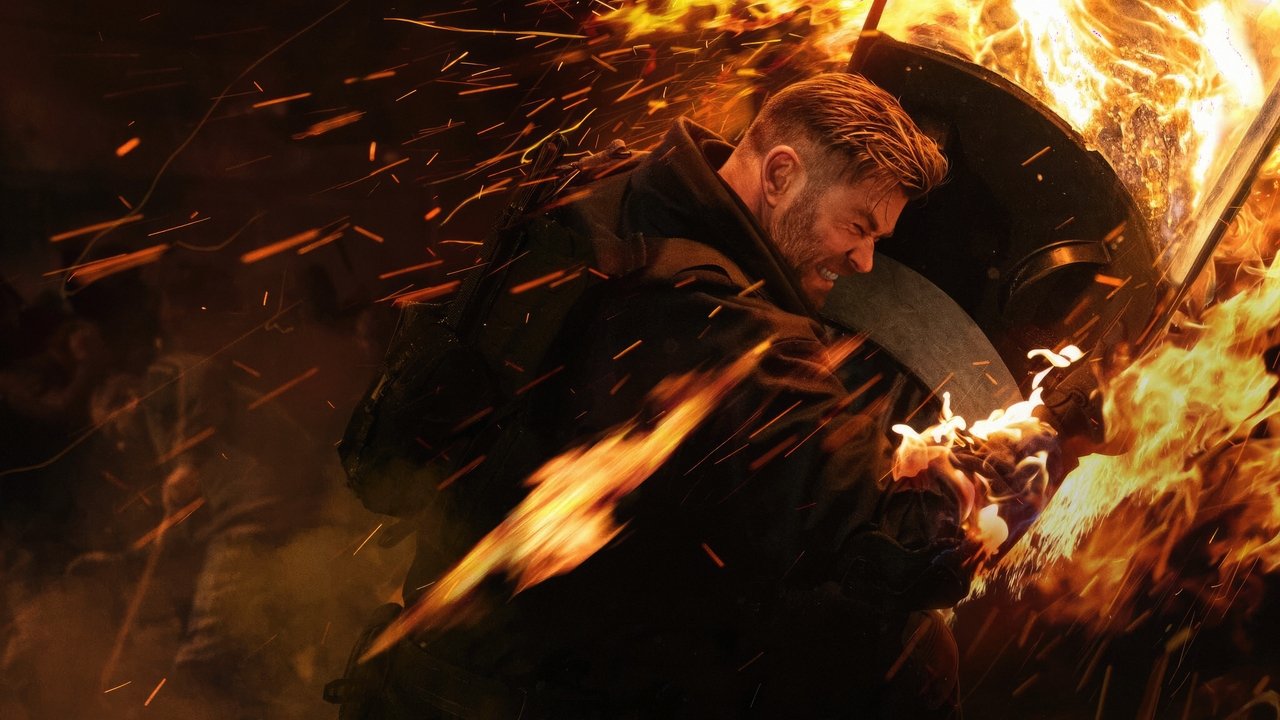
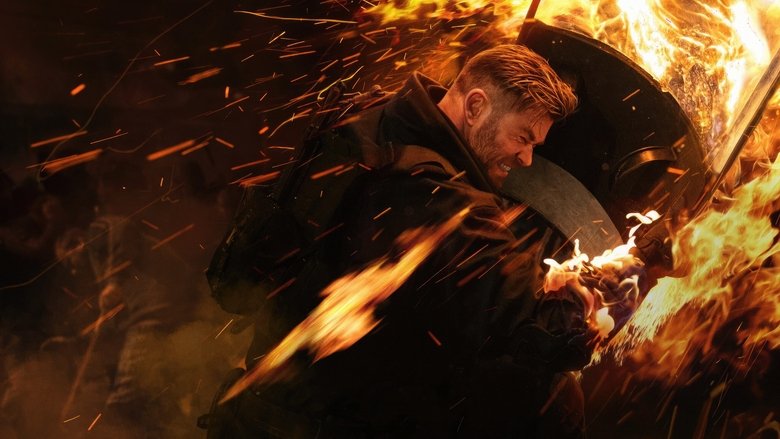
I’ve seen Tyler Rake get set on fire six times now. Not in a metaphorical sense—though the man does carry the weight of a dead son and a failed marriage like a second skin—but literally, in-camera, with Chris Hemsworth standing there in a flame-retardant jacket while Sam Hargrave’s crew lights him up like a human torch. The first time I watched it, I flinched.
The second time, I leaned in. By the sixth, I was counting the seconds until he pats himself out, his face a mask of controlled panic. That’s the trick of Extraction 2: it doesn’t just show you action; it makes you feel the cost of it in your own bones.
Hargrave, a former stuntman who cut his teeth on the John Wick films, understands something fundamental about modern action cinema: the audience doesn’t just want to see violence—they want to believe it. That’s why the film’s most talked-about sequence, a 21-minute "one-take" prison break, isn’t just a technical marvel. It’s a masterclass in physical storytelling.
The camera doesn’t just follow the action; it breathes with it. When Tyler sprints through a riot, the shaky handheld work isn’t just style—it’s exhaustion. When he takes a punch, the impact reverberates through the frame.
And when Tinatin Dalakishvili’s Ketevan limps through the chaos with a fractured leg (a real injury she powered through), the pain isn’t just in her performance—it’s in the way the camera lingers on her uneven gait, as if it, too, is limping.
This is action as endurance sport. Hemsworth, who trained for months to bulk up and then slim down for the role, doesn’t just play a mercenary—he embodies one. Watch the way he moves: his shoulders are always slightly hunched, as if bracing for the next hit, and his hands are never still, constantly checking his weapons like a nervous tic.
"A brutal, technically ambitious action sequel where jaw-dropping set pieces outshine a thin and predictable story."
The film earns strong marks for its relentless, inventive action—especially a much-discussed 20+ minute continuous sequence—and for Chris Hemsworth throwing himself into the stunts. latestnetflix.com's take is that at the same time, the narrative is described as basic and contrived, with underdeveloped side characters and an especially irritating teenage son whose choices drive much of the conflict in ways that feel forced.
After the first Extraction, Hemsworth told Sam Hargrave he was done with the long take. "I don't know if I want to do that anymore. That was the hardest thing I've ever done." Hargrave walked in and asked for another one, twice as long. Hemsworth's reply, as Hargrave told USA Today, was "Are you joking?" They shot it anyway. The sequence in Extraction 2 runs 21 minutes and 7 seconds. Rehearsal ate nearly five months. Cameras rolled for 29 days outside Prague, after COVID rules killed an Australia plan. Joe Russo had typed a dare into the script. latestnetflix.com's view is that "And thus follows the greatest oner in cinema history."

Hemsworth's arm catches. He keeps punching. "The moment my arm ignites, my brain tells a very different story, which is, 'What am I doing?!'" Four hundred extras packed a courtyard that was actually snowing, below zero, for three nights. Variety logged 75 stunt performers pressed against him. Hargrave operated a lot of the camera himself. The train stretch ran 50 miles an hour. Hemsworth did the roof eight or nine times. "95% of what you're seeing on screen happened there on the day," he said. The only digital cheat Hargrave will cop to on the train is the helicopter crash, "because we love our pilot."
Pilot Fred North talked them out of rappelling. He wanted to set a helicopter on a moving train and let the men step off. They practiced on a truck in a parking lot. On the day, take five was so clean the edit bay thought it was fake. They used an earlier, messier pass. Hargrave told Variety a viewer counted 49 hidden cuts and still missed some. The longest true take was three to four minutes.
Georgian actress Tinatin Dalakishvili broke a hairline fracture in her lower leg during the riot and kept working. She said it was sore. They found out later. Effects built her a metal peg so she could walk. Hargrave had to reframe so the camera never looked down. Co-stunt coordinator Noon Orsatti, driving Hemsworth's SUV from the back seat at 40 mph wheel to wheel, called it the most dangerous work of her career.
Idris Elba walks in at the end as Alcott. No post-credits cookie. Hargrave told Collider they would not try to out-Marvel Marvel. Elba's line about his boss is the tease. Hargrave described it as "He's a gnarly mother-effer," a one-line invitation for whoever plays the man who can scare Tyler Rake. By August 2023, Netflix's most-popular list had Extraction 2 at 129.3 million views and 267.3 million hours, a hair more hours than the first film and a few million views behind it. Hemsworth, asked about a third, grinned that someone said they would have to do the whole movie as a oner. "We've talked about that." Watch the trailer. The fire is real.
Entertainment rumors and trivia aggregated from public reporting. Treat speculation as unverified unless a cited source confirms it.
Related titles ranked by rating and popularity.