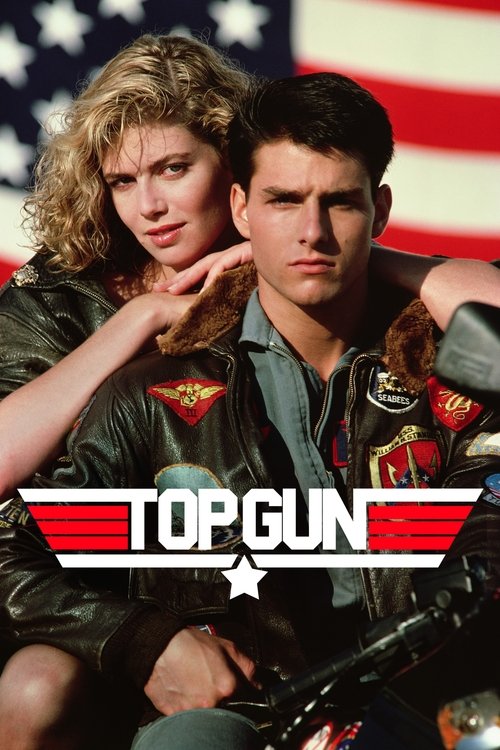
The Speed of SilhouetteComing back to Tony Scott’s *Top Gun*, I expected a museum piece. On paper it has every marker of a 1986 relic: the *California* magazine origin story, the synths, the Cold War swagger, the unmistakable smell of Navy recruitment propaganda. The plot is barely there, and Roger Ebert was dead right when he wrote, "The story is bland, the characters are bland, the dialog is bland." But that isn't really what the movie survives on. What still hits is the texture — the sweat, the exhaust, the heat shimmering off metal.
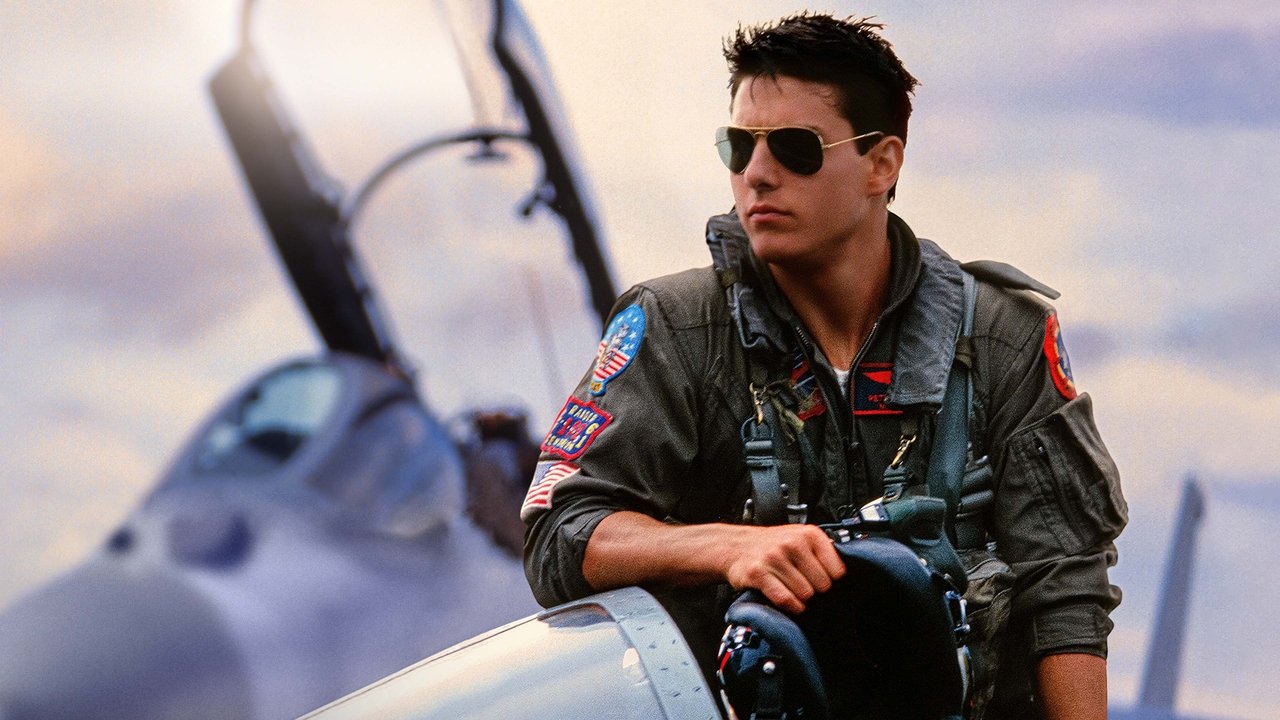
Tony Scott doesn't so much stage *Top Gun* as spray-paint it onto the screen in afterburner and sunset. He came out of commercials, so he knew exactly how to make an image sell. The surprise is what he chooses to eroticize. It's not only the bodies. David Denby called the film "a brazenly eroticized recruiting poster," and that's true, but the lust is everywhere: in the camera caressing the shape of an F-14, in the endless orange runways, in the way the pilots keep dissolving into mythic silhouettes against the light. Scott gives hardware the same sensuous attention he gives Tom Cruise's face.

Watching Cruise here is like catching the Tom Cruise persona in the act of being invented. Before this he was a fast-rising star; after it, he was a movie icon. Maverick is all ego and recklessness, but Cruise keeps a tight coil of boyish strain under the swagger. He walks into rooms with his chest out and his shoulders weirdly stiff, like a kid trying on an adult version of himself. When Goose dies during that training accident, the movie briefly loses its sheen, and Cruise is excellent in that break. He doesn't make a big speech out of grief. He just seems suddenly untethered. That vulnerability lands hard in a film so committed to velocity.
And yes, Iceman deserves his due. The movie tries to cast him as the problem, yet he is right almost every time. Val Kilmer plays him with such cool, predatory stillness that he becomes the perfect answer to Maverick's restless chaos.

Scott's whole sensibility clicks into focus in the aerial sequences. One stretch, where Maverick freezes up in the cockpit after Goose's death, still feels sharp. The engines fall away on the soundtrack until all that's left is his ragged breathing inside the mask. Scott crowds the frame with Cruise's eyes flicking everywhere. Suddenly the film isn't about glory; it's about a terrified young man realizing that physics could kill him without caring how special he feels. The edit cuts between cramped cockpit panic and those huge, balletic shots of jets twisting through the sky, and the contrast gives the speed real consequence.

If you don't have much patience for 1980s blockbuster logic, the style-first approach may drive you crazy. The romance with Kelly McGillis's Charlie never fully catches fire for me either; it feels less like character and more like obligation. Still, *Top Gun* lasts because Scott understood something very simple. Not every movie has to be a novel. Sometimes the right form is a pop song played at full volume, all shine and momentum and feeling.