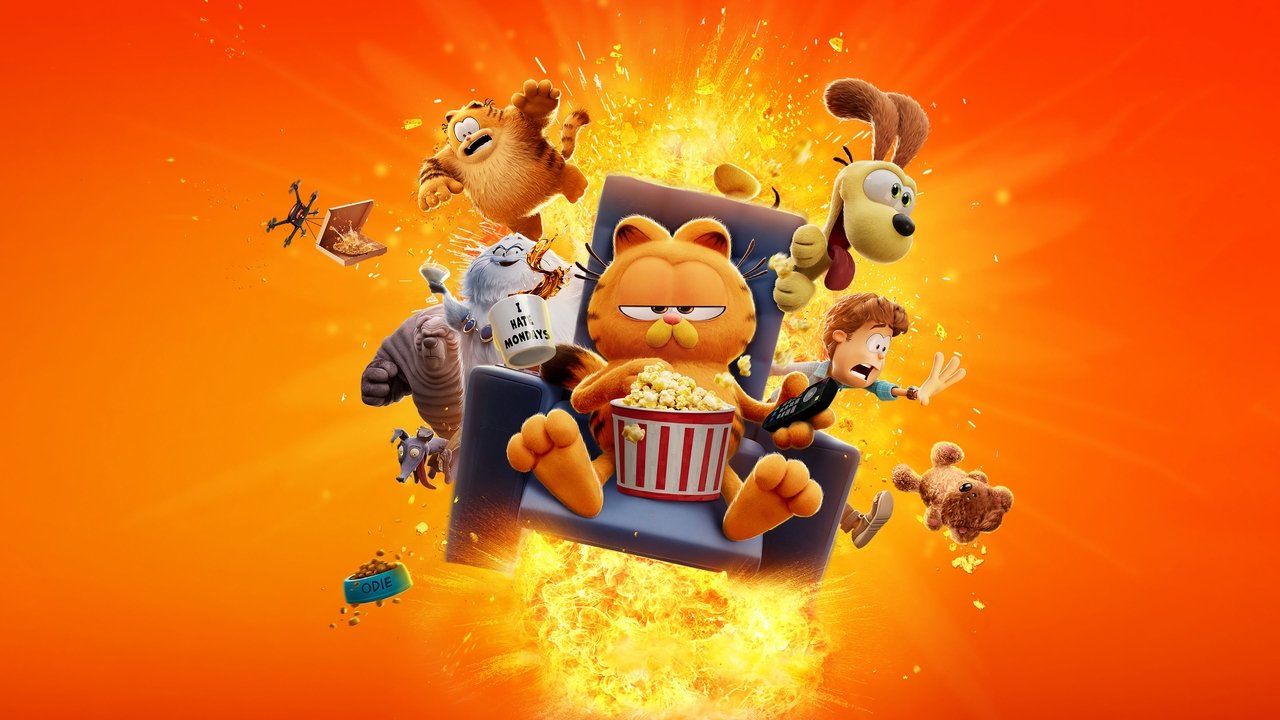

The Burden of a MondayI keep getting stuck on the central contradiction of *The Garfield Movie*: how do you build a hyperactive 101-minute caper around a character whose entire cultural identity is built on not wanting to move? Jim Davis turned inertia into a comic art form. Garfield lounged, ate, complained, and occasionally shoved a dog off a piece of furniture. That was enough. Mark Dindal’s animated adaptation looks at that beautifully lazy legacy and decides, with corporate politeness, that it needs to be fixed. So the orange cat gets strapped into a high-speed franchise machine and flung through a heist plot.

Dindal at least knows how animation can misbehave. *The Emperor’s New Groove* and *Cats Don’t Dance* both run on gloriously rubbery lunacy, and little flashes of that energy survive here. The dairy-farm heist with Garfield and his estranged father Vic has moments that almost feel *Looney Tunes*-pure: bodies stretch, physics give up, chaos briefly clicks into rhythm. DNEG Animation renders all of it with bright, candy-colored confidence. The problem isn't that the craft fails. The problem is the mismatch. Garfield as an action hero feels wrong at the molecular level. Watching him dive into danger while the *Mission: Impossible* theme blasts is like seeing a sloth discover parkour.
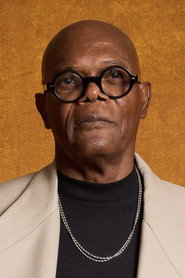
Which brings us to the voice. The internet's exhaustion over Chris Pratt's casting was entirely understandable, and the finished performance is less an outrage than a mild case of missing the point. Pratt isn't bad. He just isn't Garfield. The cat's whole charm lives in that weary, sour, half-asleep drawl—the voice of an indoor animal who has correctly concluded that the world is exhausting and napping is wiser. Pratt brings a springier, sunnier rhythm that sands off the character's misanthropic edges. He sounds like someone delighted to be in the booth between workouts. Once Samuel L. Jackson enters as Vic, a hardened alley cat with buried paternal warmth, the movie's real agenda becomes obvious. It wants to turn Garfield into a story about abandonment, fathers, and inherited emotional damage. Maybe that works for you. Maybe it just feels like the latest animated compulsion to give every cartoon animal a trauma file.

There is one stretch that genuinely lands. Early on, the film shows how kitten Garfield meets Jon, voiced by Nicholas Hoult with a nice anxious sweetness. A tiny orange stray shivers in an alley, spots the warm light of an Italian restaurant, and presses one fragile paw to the glass. Jon, sitting alone with a pizza, opens the window. Seconds later the kitten is inhaling pizza, pasta, and anything else within reach. It's shameless emotional engineering, clearly built in a lab to move plush toys, and it still got me a little. The sequence works because it trusts images more than noise: rain, glass, hunger, warmth.
That quiet is gone almost immediately. The plot barrels into villainous Persian cats, drone deliveries, and so much branded clutter that Olive Garden and Popchips might as well have their names above the title. All that corporate slickness drains away whatever scrappy charm Dindal occasionally manages to summon. Eric Eisenberg at CinemaBlend had it right when he wrote that the movie is "indistinguishable from any other pet-centric big screen adventure (a simple animation style change could instantly transform it into *The Secret Life Of Pets 3*)."

Maybe it's unfair to demand subversion from a movie designed to keep seven-year-olds busy for an afternoon. The film is colorful, harmless, and occasionally funny. But once you sand down Garfield's laziness, irritability, and refusal to engage, you lose the exact thing that made him last nearly fifty years. He was a patron saint of staying in bed and letting the world sort itself out somewhere else. Watching him run, leap, and process dad trauma doesn't feel like growth. It feels like somebody missed the point. I left wishing they had simply let the cat nap.